Movie spotlight
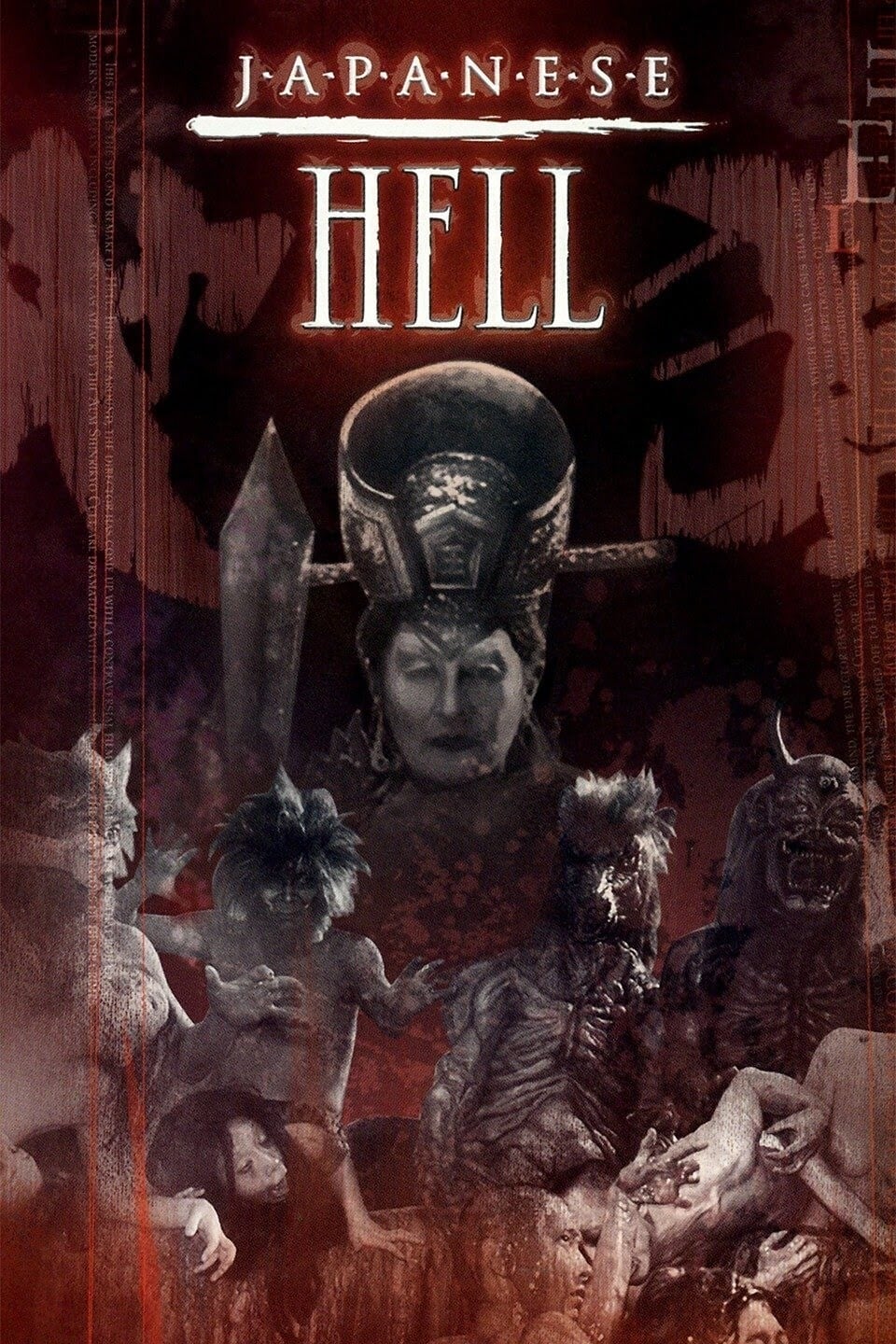
Japanese Hell
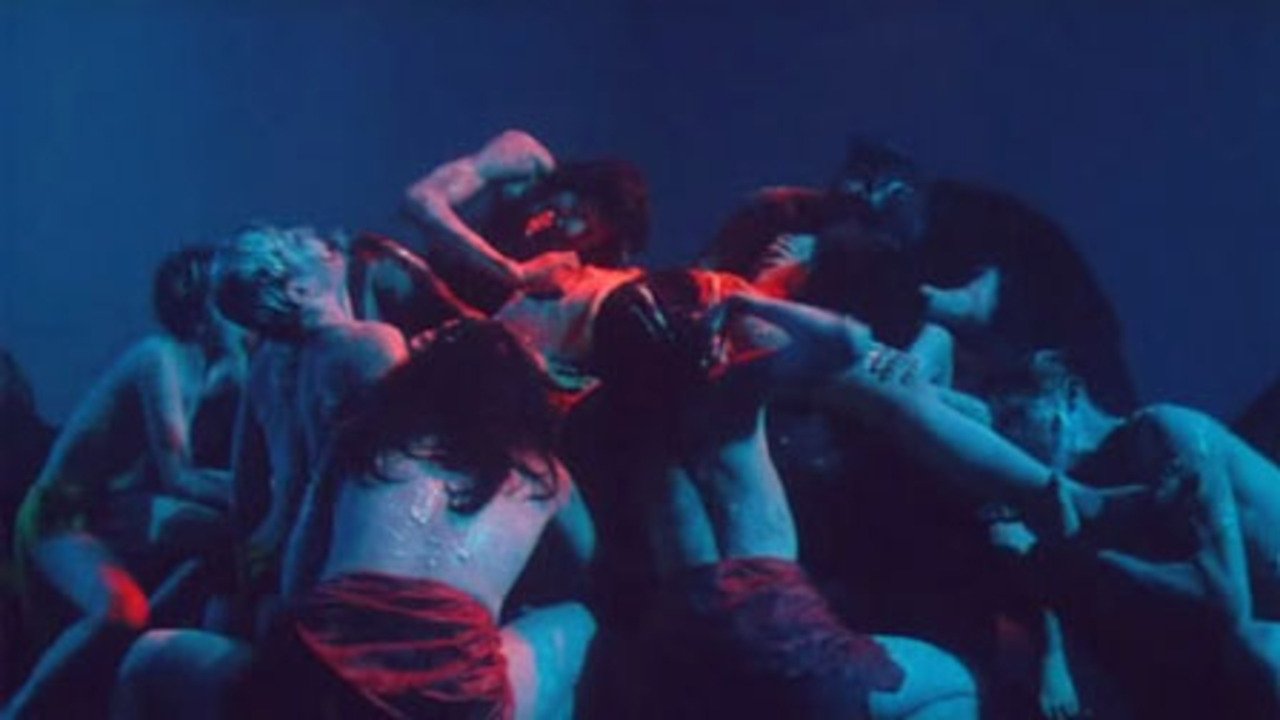
From the king of the Japanese cult movie, Teruo Ishii! A controversial film in which actual cases that rocked modern-day Japan—including the sarin gas attack by the Aum Shinrikyo Cult—are dramatized with gruesome detail as their perpetrators stand trial in Hell. An angst-ridden girl, Rika, is carried off to Hell by an old woman she meets in a neighborhood park. There she gets a first-hand look at the excruciating agony of those found guilty—by Lucifer himself—of committing heinous crimes during their time on Earth.
Insights
Plot Summary
A group of individuals seeking revenge are drawn into a shadowy world of organized crime and supernatural horrors in post-war Japan. They must battle ruthless yakuza and ancient curses to achieve their goals, facing extreme violence and psychological torment along the way. The film delves into the dark underbelly of society, where survival depends on embracing the very darkness one seeks to destroy.
Critical Reception
Teruo Ishii's "Japanese Hell" is a notorious entry in the Japanese exploitation film canon, often praised by cult film enthusiasts for its extreme gore, bizarre imagery, and relentless pace. While critically divisive due to its graphic content and sometimes convoluted plot, it has garnered a dedicated following among fans of extreme horror and B-movies. It's generally seen as a prime example of Ishii's distinctive, boundary-pushing style.
What Reviewers Say
Praised for its over-the-top gore and inventive, if disturbing, visual style.
Acknowledged for its sheer audacity and commitment to extreme content.
Criticized for a thin plot and gratuitous violence that can overshadow any thematic elements.
Google audience: Audience reception is highly polarized, with many viewers appreciating its cult status and extreme nature, while others find the violence excessive and the narrative lacking.
Fun Fact
The film is part of a series of 'pinky violence' and horror films that gained notoriety in Japan during the latter half of the 20th century, often pushing the boundaries of censorship at the time.
AI-generated overview · Verify ratings on official sources