Movie spotlight
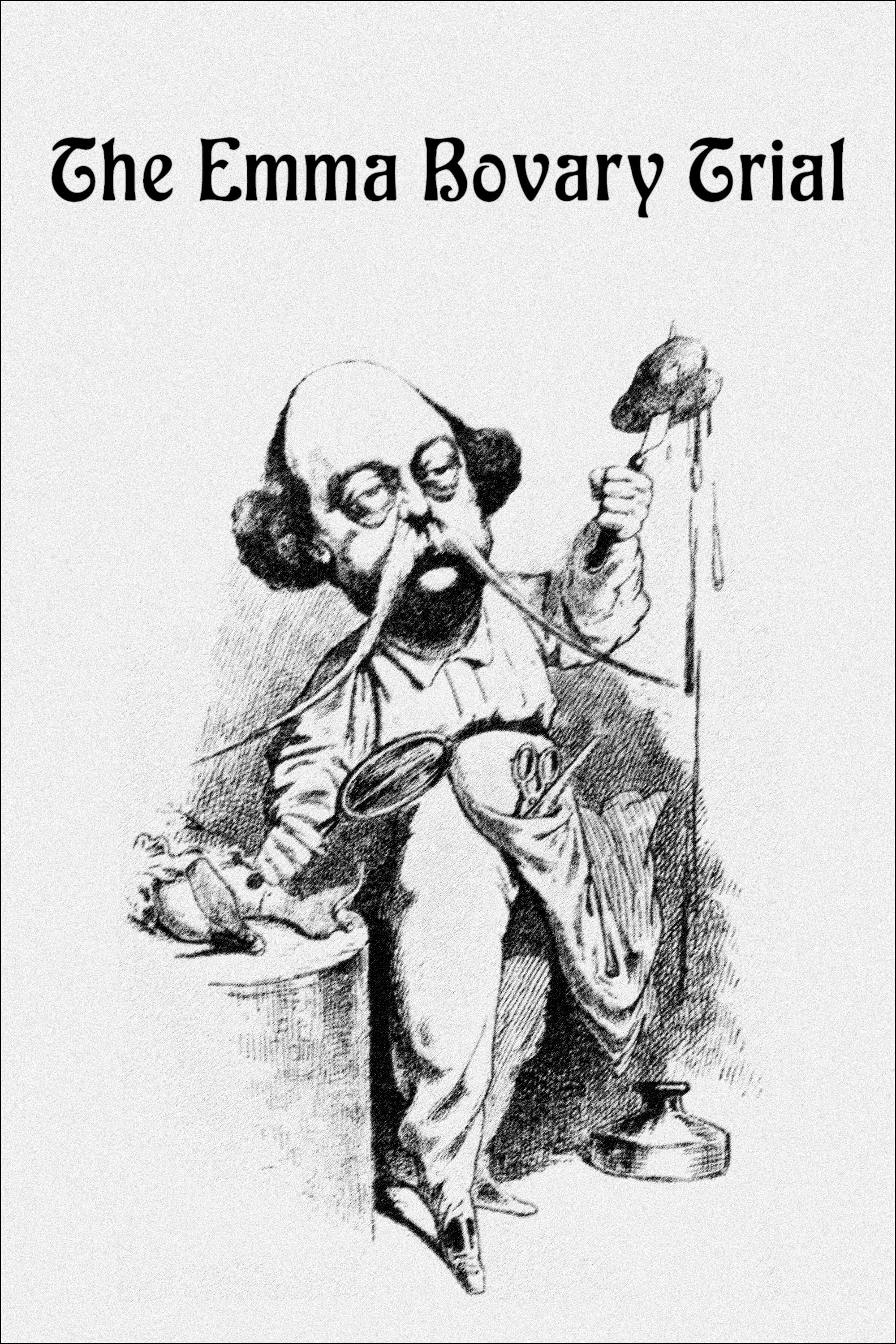
The Emma Bovary Trial
On January 31, 1857, the French writer Gustave Flaubert (1821-80) took his place in the dock for contempt of public morality and religion. The accused, the real one, is, through him, Emma Bovary, heroine with a thousand faces and a thousand desires, guilty without doubt of an unforgivable desire to live.
Insights
Plot Summary
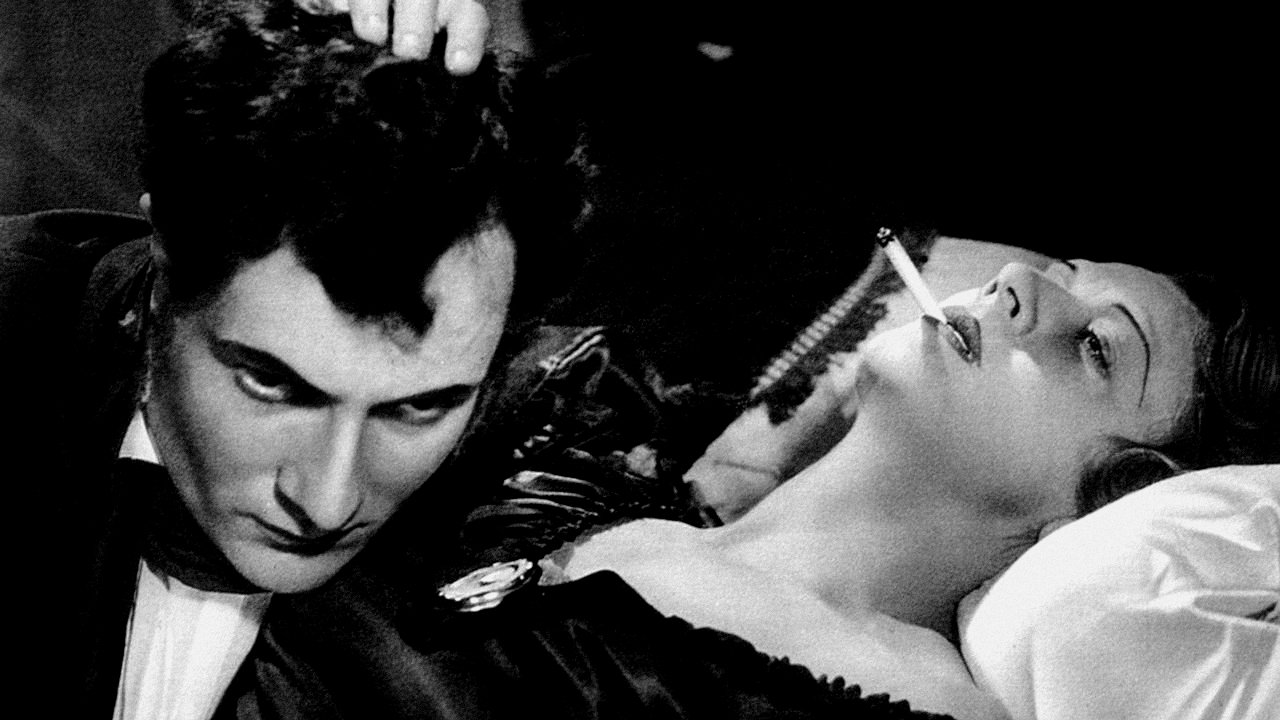
In this adaptation of Gustave Flaubert's classic novel, 'Madame Bovary,' the story is framed as a courtroom drama. Emma Bovary, a provincial doctor's wife, embarks on a series of affairs and extravagant spending in pursuit of romantic ideals and a life beyond her mundane existence. The film explores her tragic downfall and the societal judgment she faces, presented through the lens of a trial examining her life and choices.
Critical Reception
The film received mixed to positive reviews, with many critics appreciating its ambitious framing and the performances of its lead actors. Some found the courtroom structure to be an interesting, albeit sometimes distracting, departure from the source material, while others lauded its attempt to re-examine the timeless themes of desire, societal constraints, and disillusionment.
What Reviewers Say
Praised for its unique courtroom adaptation of a literary classic.
Performances, particularly from Astrid Bergès-Frisbey, were often highlighted as strong.
Some reviewers found the structural conceit less effective than a more direct adaptation.
Google audience: Audience reception information is not widely available for this film on Google.
Fun Fact
Director Benoît Jacquot previously directed a 2000 film also titled 'Pas de scandale' (No Scandal), which explored themes of bourgeois life and marital discord, echoing some of the concerns present in his 'The Emma Bovary Trial'.
AI-generated overview · Verify ratings on official sources