Movie spotlight
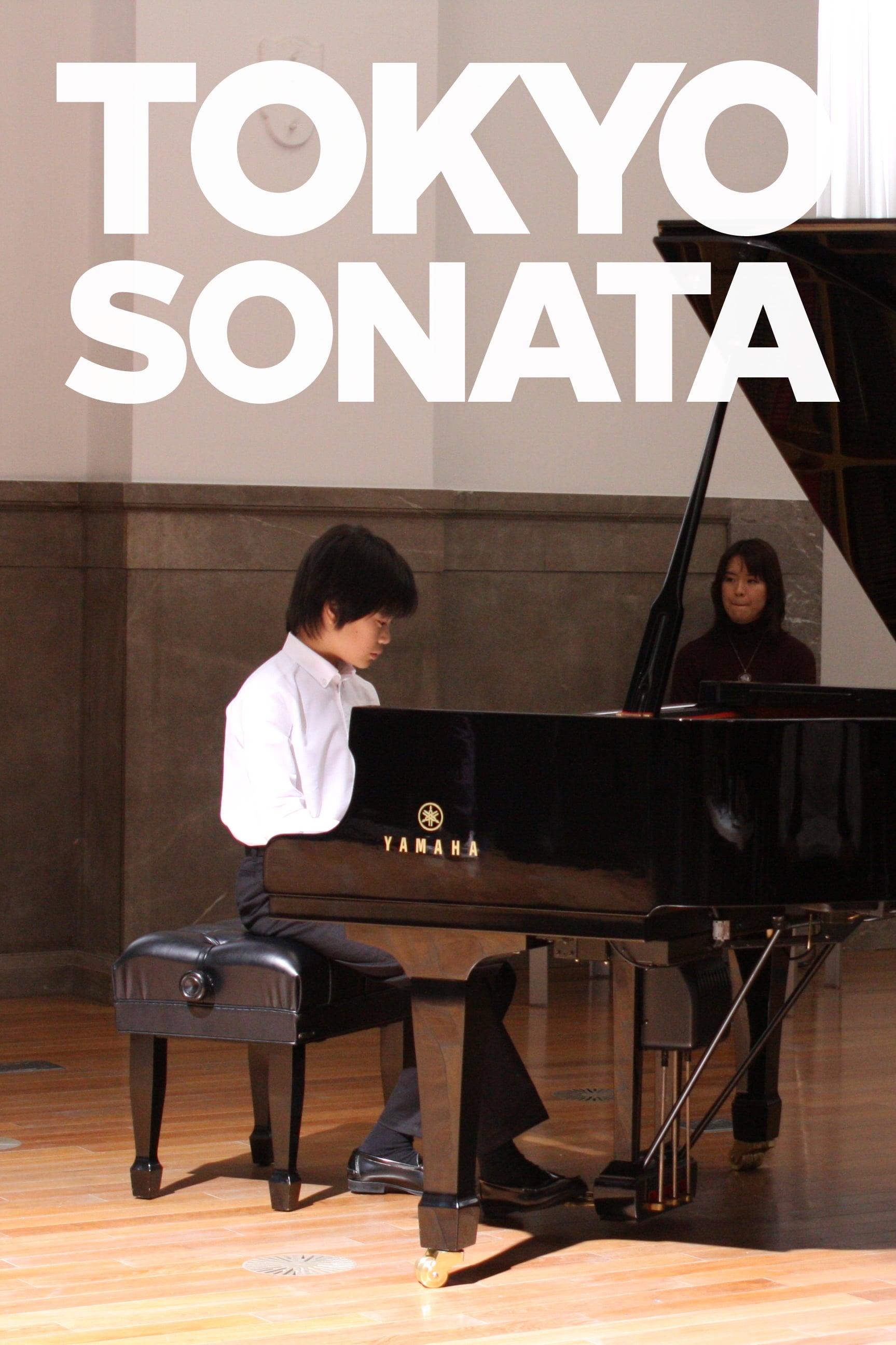
Tokyo Sonata
The winds of change blow as a family grapples with unemployment, alienation, mistrust and a lack of communication. When a Japanese salaryman loses his job to outsourcing to China, it's simply the beginning of a series of shattering incidents, leading to the implosion of the family unit.
Insights
Plot Summary
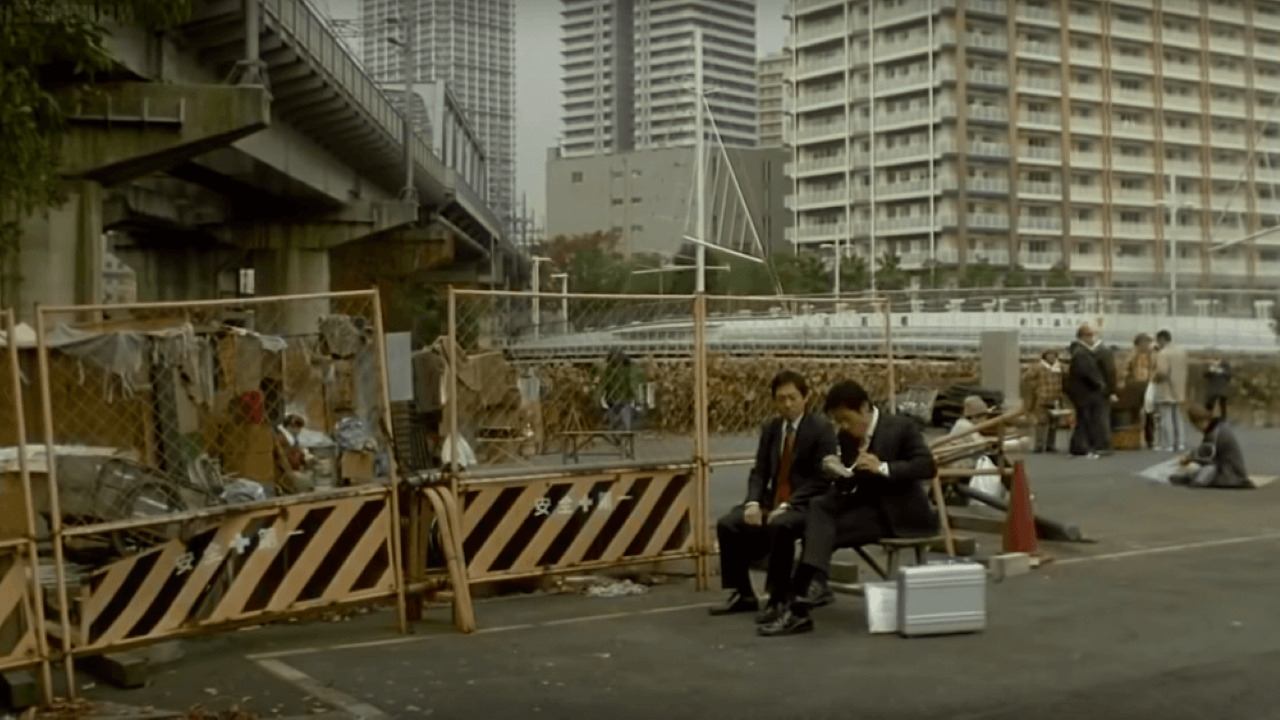
A middle-class Japanese family faces an existential crisis when the father, Ryuhei, is secretly fired from his office job and struggles to maintain his role as the family's provider. His wife, Megumi, grapples with her own desires and a growing unease, while their sons navigate their own paths, one towards art school and the other towards petty crime. The film unfolds as a poignant and often unsettling portrait of modern Japanese society and the silent struggles within a seemingly ordinary household.
Critical Reception
Tokyo Sonata received widespread critical acclaim for its subtle yet powerful storytelling, masterful direction, and strong performances. Critics lauded its examination of contemporary Japanese society, the breakdown of traditional family structures, and the quiet desperation that can lie beneath the surface of ordinary lives. It was particularly praised for its ability to blend poignant drama with moments of dark humor and unexpected tenderness.
What Reviewers Say
Praised for its deeply affecting and nuanced portrayal of a family's quiet unraveling.
Lauded for Kiyoshi Kurosawa's sensitive direction and the uniformly excellent cast performances.
Noted for its sharp critique of economic anxieties and the pressures of modern Japanese life.
Google audience: Audiences frequently highlight the film's emotional resonance and its ability to capture the subtle anxieties of everyday life. Many viewers found the story relatable and moving, appreciating its realistic depiction of family dynamics and the challenges faced by ordinary people in contemporary society. Some noted the slow pacing but ultimately found the film to be a profound and thought-provoking experience.
Awards & Accolades
Won the Jury Prize (Un Certain Regard) at the Cannes Film Festival. Nominated for Best Film at the Asian Film Awards.
Fun Fact
The film's original title was "Aru Machi no Sonna" (Roughly translated as "A Certain Town's Sonata"), but it was changed to "Tokyo Sonata" to give it a broader appeal and to signify the universal themes of family life within a specific urban setting.
AI-generated overview · Verify ratings on official sources