
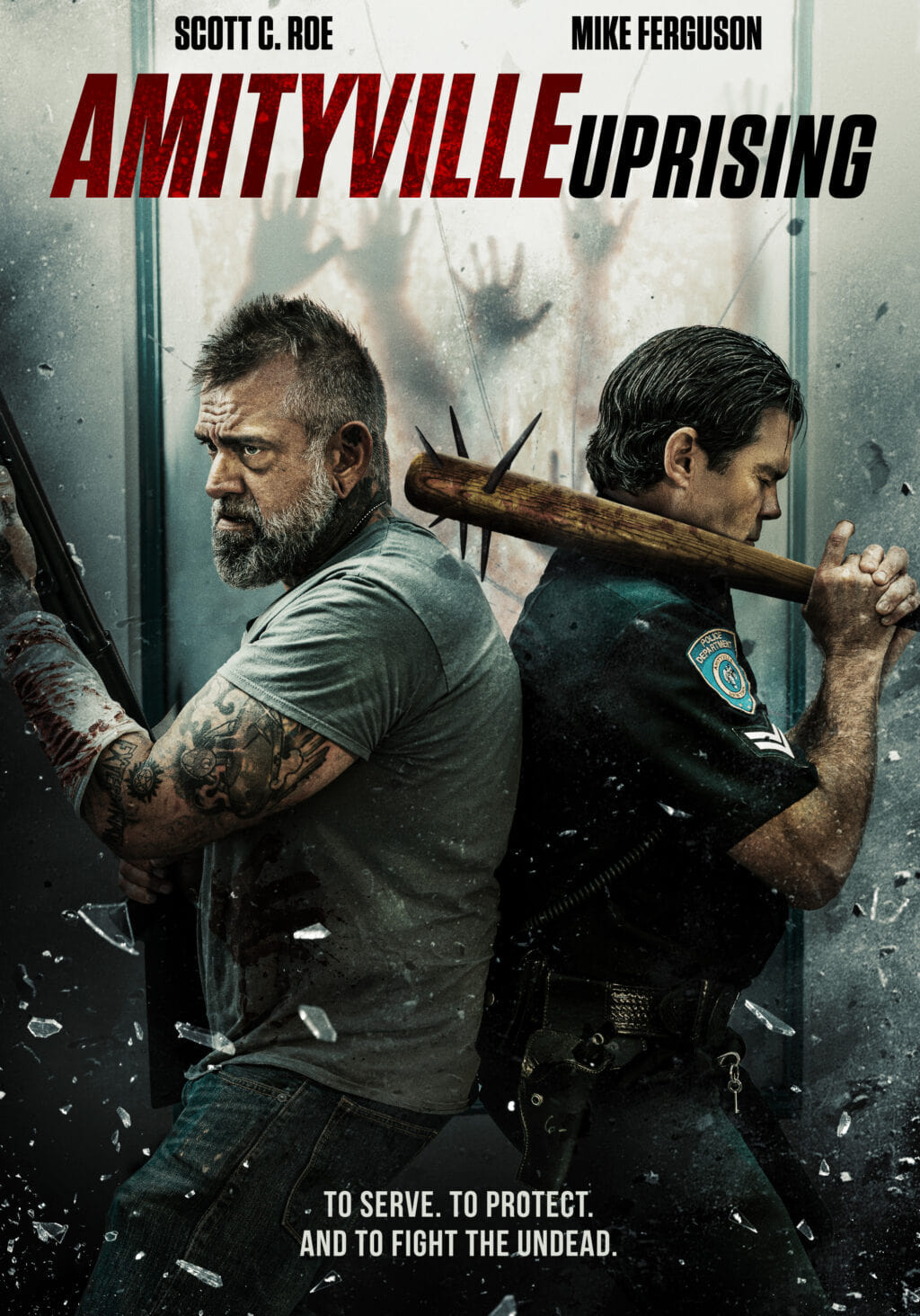

Amityville Uprising
A chemical blast at a military base sets off a supernatural disaster. As Sgt. Dash tries to keep the peace at the local police station, the explosion unleashes a toxic acid rain that dissolves the flesh of anyone trapped in it. Even worse, it causes the dead to rise again and attack the living. Can Dash and fellow officer Nina Rossi figure out who is friend and foe, fend off the attacks, and defend their colleagues until the savage cataclysm subsides?
Insights
Plot Summary
In the infamous town of Amityville, a new and terrifying threat emerges not from restless spirits, but from a parasitic alien life form that takes over the bodies of its victims. A small group of survivors, including a resourceful young woman, must band together to fight for their lives against the grotesque creatures and find a way to escape the quarantined town.
Critical Reception
Amityville Uprising is a low-budget independent horror film that leans heavily into its B-movie, creature-feature aesthetic. While it attempts to blend classic Amityville lore with alien invasion tropes, it received mixed to negative reviews, with many critics pointing to its unpolished special effects and uneven pacing, though some appreciated its earnest attempt at a unique take on the franchise.
What Reviewers Say
- Praised for its creative concept of combining alien invasion with the Amityville mythos.
- Criticized for its noticeable limitations in special effects and gore.
- Appreciated by some for its energetic action sequences despite budget constraints.
Google audience: Audience reception for Amityville Uprising is scarce, with limited public reviews available on Google. Those that exist are generally mixed, with some viewers enjoying the unique premise and action, while others found the execution lacking.
Fun Fact
This film is part of the extensive, and often unrelated, Amityville Horror franchise, attempting to introduce an alien element rather than focusing on traditional hauntings.
AI-generated overview · Verify ratings on official sources