
Movie spotlight
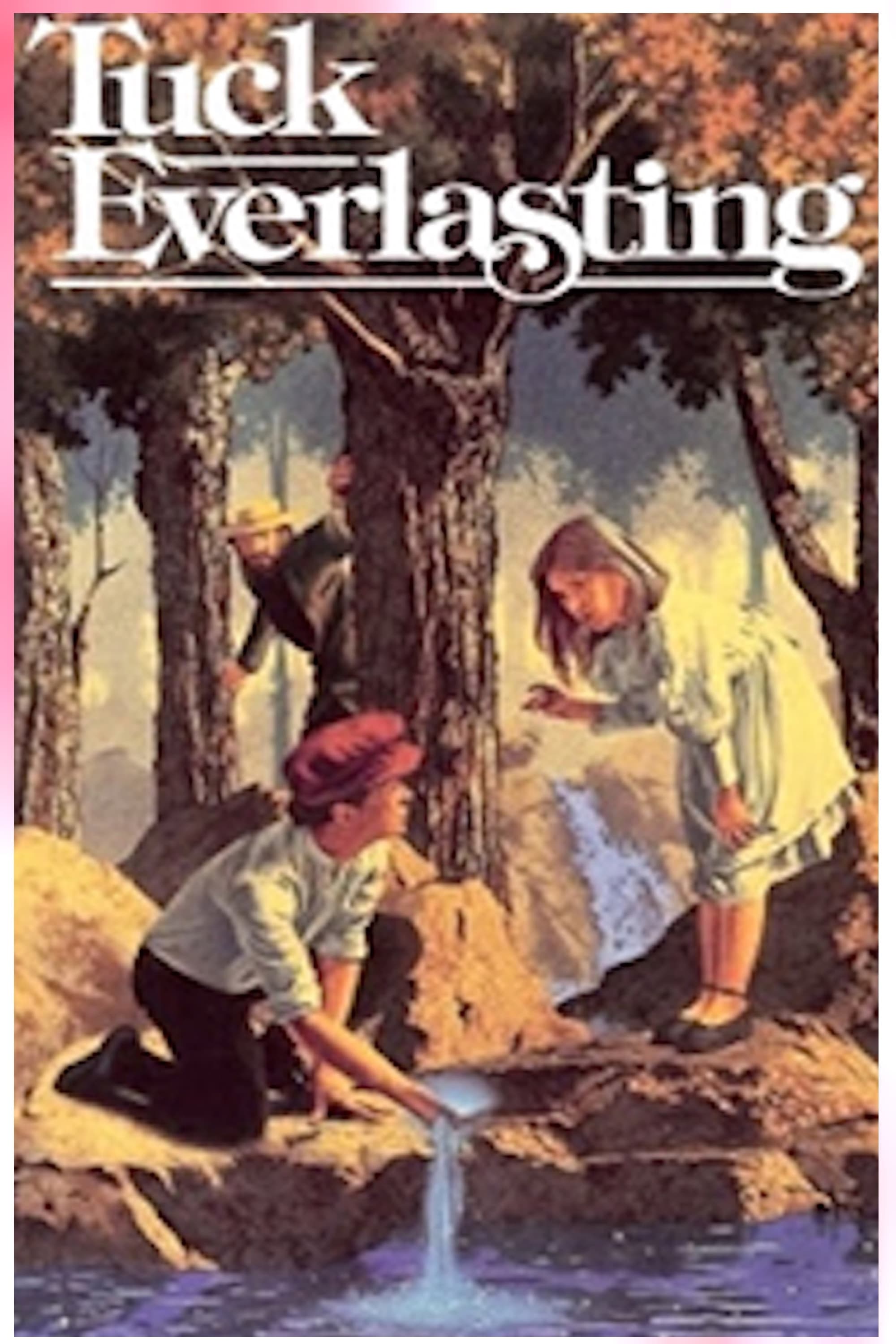
Tuck Everlasting
In turn-of-the-20th-century upstate New York, Winnie Foster, a 12-year-old girl, discovers a family living in the woods near her family's home who never ages thanks to a magical spring they drink from and she is entrusted to keep their secret and becomes involved in their lives.
Insights
Plot Summary
In this fantasy drama, a young woman named Winnie Foster stumbles upon the Tuck family, who have discovered the secret to immortality. She is faced with a profound choice: to keep their secret and live a normal life, or to join them in their eternal existence. The film explores themes of life, death, and the meaning of a fulfilling existence.
Critical Reception
Tuck Everlasting (1981) received a mixed to negative reception from critics and audiences, often being overlooked or forgotten in favor of later adaptations of Natalie Babbitt's novel. Its television movie format and somewhat dated execution contributed to its limited impact.
What Reviewers Say
The film's premise is intriguing, but its execution is often slow and uninspired.
Lacks the emotional depth and thematic resonance of the source material.
Performances are generally serviceable but don't elevate the material.
Google audience: Audience reception for the 1981 television film is scarce, making it difficult to gauge specific likes or dislikes. However, general sentiment surrounding this adaptation often points to its perceived shortcomings compared to other versions of the story.
Fun Fact
This 1981 television film adaptation of Natalie Babbitt's novel 'Tuck Everlasting' predates the more widely known 2002 film adaptation, 'Tuck Everlasting', and the 2008 Broadway musical of the same name.
AI-generated overview · Verify ratings on official sources