
Movie spotlight
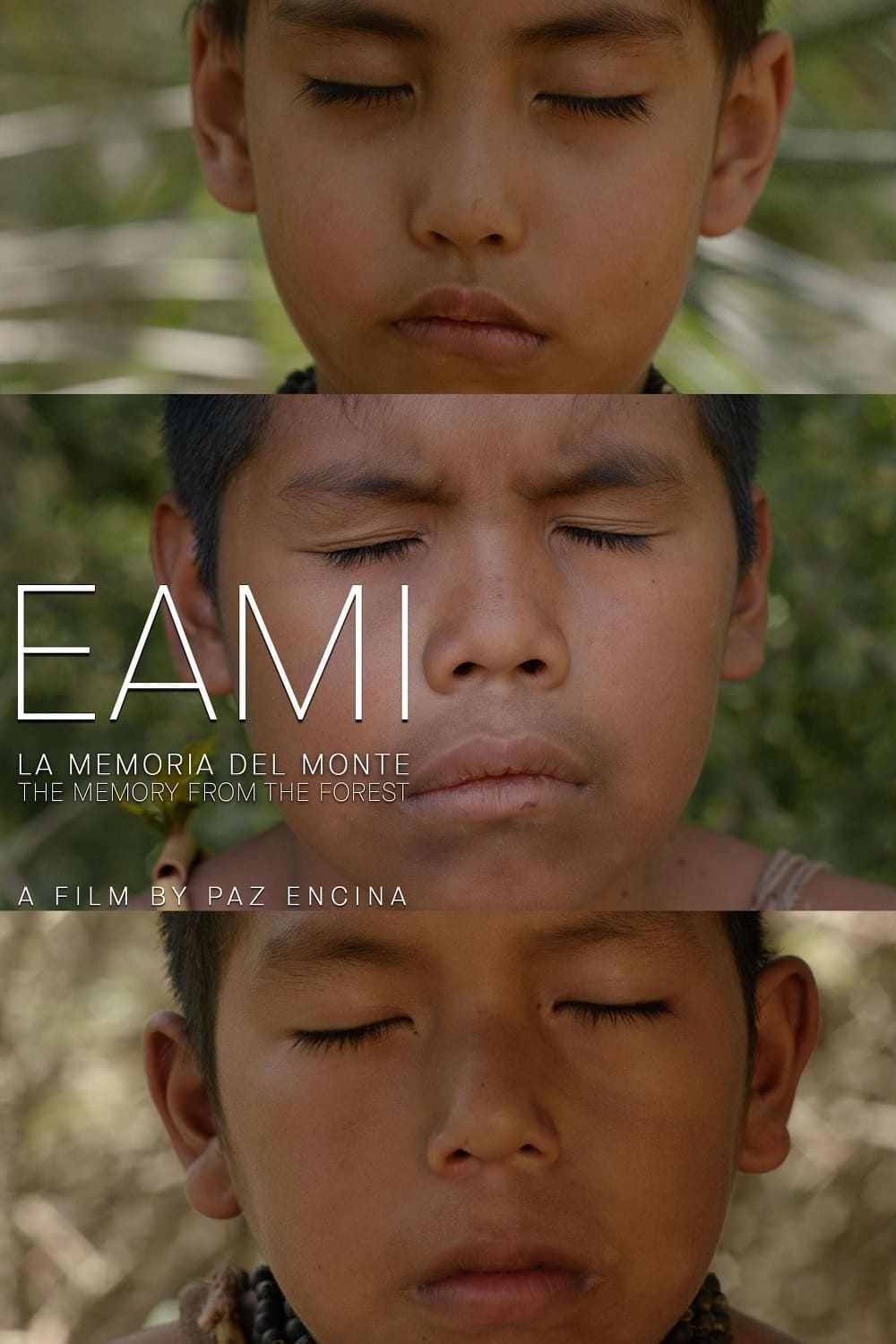
Eami
Eami means ‘forest’ in Ayoreo. It also means ‘world’. The story happens in the Paraguayan Chaco, the territory with the highest deforestation rate in the world. 25,000 hectares of forest are being deforested a month in this territory which would mean an average of 841 hectares a day or 35 hectares per hour. The forest barely lives and this only due to a reserve that the Totobiegosode people achieved in a legal manner. They call Chaidi this place which means ancestral land or the place where we always lived and it is part of the "Ayoreo Totobiegosode Natural and Cultural Heritage". Before this, they had to live through the traumatic situation of leaving the territory behind and surviving a war. It is the story of the Ayoreo Totobiegosode people, told from the point of view of Asoja, a bird-god with the ability to bring an omniscient- temporal gaze, who becomes the narrator of this story developed in a crossing between documentary and fiction.
Insights
Plot Summary
Eami is a poetic documentary that explores the life and ancestral lands of the Ayoreo Totobiegosode people in the Gran Chaco region of Paraguay. Through the eyes of a young girl named Eami, the film captures the beauty of their natural surroundings and the profound connection they have to their environment. It delves into their traditions, spirituality, and the challenges they face in a rapidly changing world, offering a deeply personal and visually stunning portrayal of indigenous resilience and cultural preservation.
Critical Reception
Eami has been acclaimed for its lyrical beauty, its sensitive portrayal of indigenous culture, and its powerful environmental message. Critics have praised Paz Encina's directorial vision for its immersive quality and its ability to evoke a deep sense of place and connection to the Ayoreo people. The film has been recognized for its artistic merit and its important contribution to ethnographic filmmaking, resonating with audiences who appreciate its blend of personal narrative and social commentary.
What Reviewers Say
Visually stunning and deeply moving.
A poetic and intimate look at indigenous life and environmental connection.
Highlights the resilience and cultural richness of the Ayoreo people.
Google audience: Information on Google user reviews is not readily available.
Awards & Accolades
Won the Golden Bear for Best Film at the Berlinale's Encounters section (2022).
Fun Fact
The film is narrated in the Ayoreo language, offering an authentic and intimate window into the culture and worldview of its subjects.
AI-generated overview · Verify ratings on official sources