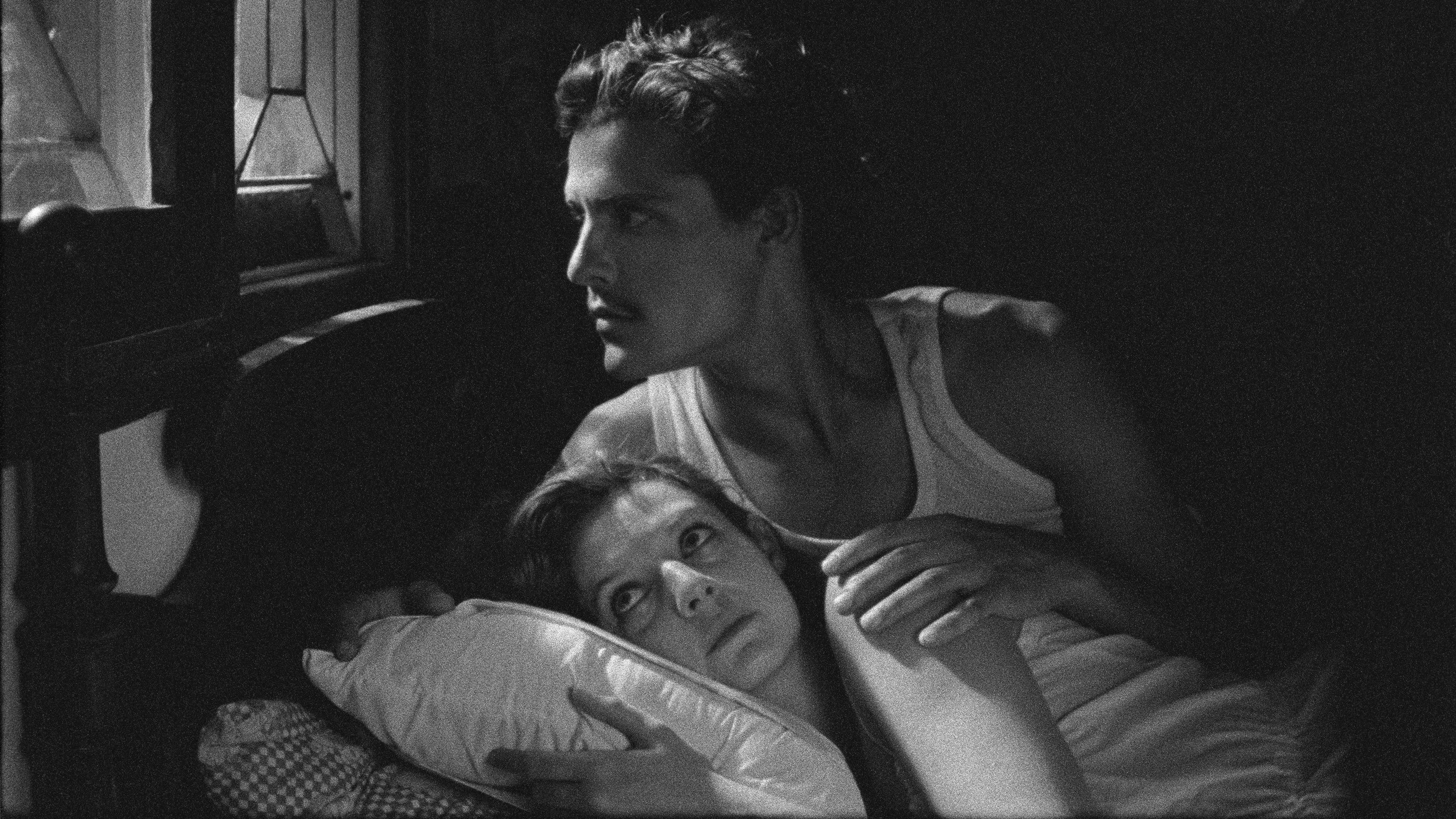

Movie spotlight
Tabu
Lisbon, Portugal, 2010. Pilar, a pious woman devoted to social causes, maintains a peculiar relationship with her neighbor Aurora, a temperamental old woman obsessed with gambling who lives tormented by a mysterious past.
Insights
Plot Summary
The film follows Aurora, an elderly woman living a seemingly quiet life in Lisbon, who is plagued by guilt over a past transgression involving a precious pearl. Her death sets off a chain of events as her maid, Santa, and her estranged daughter, Pilar, become entangled in uncovering the truth behind Aurora's secretive life and a lost treasure. The narrative weaves between past and present, exploring themes of memory, betrayal, and the lingering consequences of unspoken actions.
Critical Reception
Miguel Gomes's 'Tabu' garnered significant critical acclaim for its ambitious narrative structure and evocative atmosphere. Critics lauded its unique blend of silent film aesthetics and modern storytelling, appreciating its exploration of memory and guilt. While some found its pacing deliberate, the overall sentiment was one of admiration for its artistic vision and emotional depth.
What Reviewers Say
Praised for its inventive narrative structure and visual style, reminiscent of classic cinema.
Applauded for its poignant exploration of memory, guilt, and the passage of time.
Noted for its slow-burn pacing and deliberate unfolding of its mysteries.
Google audience: Audience reviews highlight the film's unique artistic approach and its ability to evoke a sense of melancholy and intrigue. Many appreciate the dreamlike quality and the compelling storytelling, though some found it to be slow-paced.
Awards & Accolades
Berlin International Film Festival: FIPRESCI Prize, Silver Bear for Outstanding Artistic Contribution (for cinematography).
Fun Fact
Director Miguel Gomes intentionally shot the film in black and white and employed techniques inspired by silent films for the first half, then shifted to color and sound for the second half to represent the shift between memory and reality.
AI-generated overview · Verify ratings on official sources