Movie spotlight
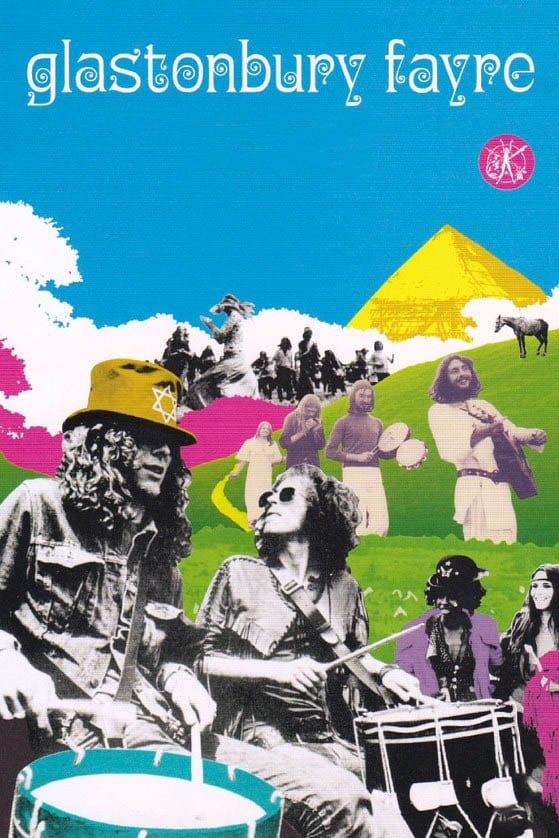
Glastonbury Fayre
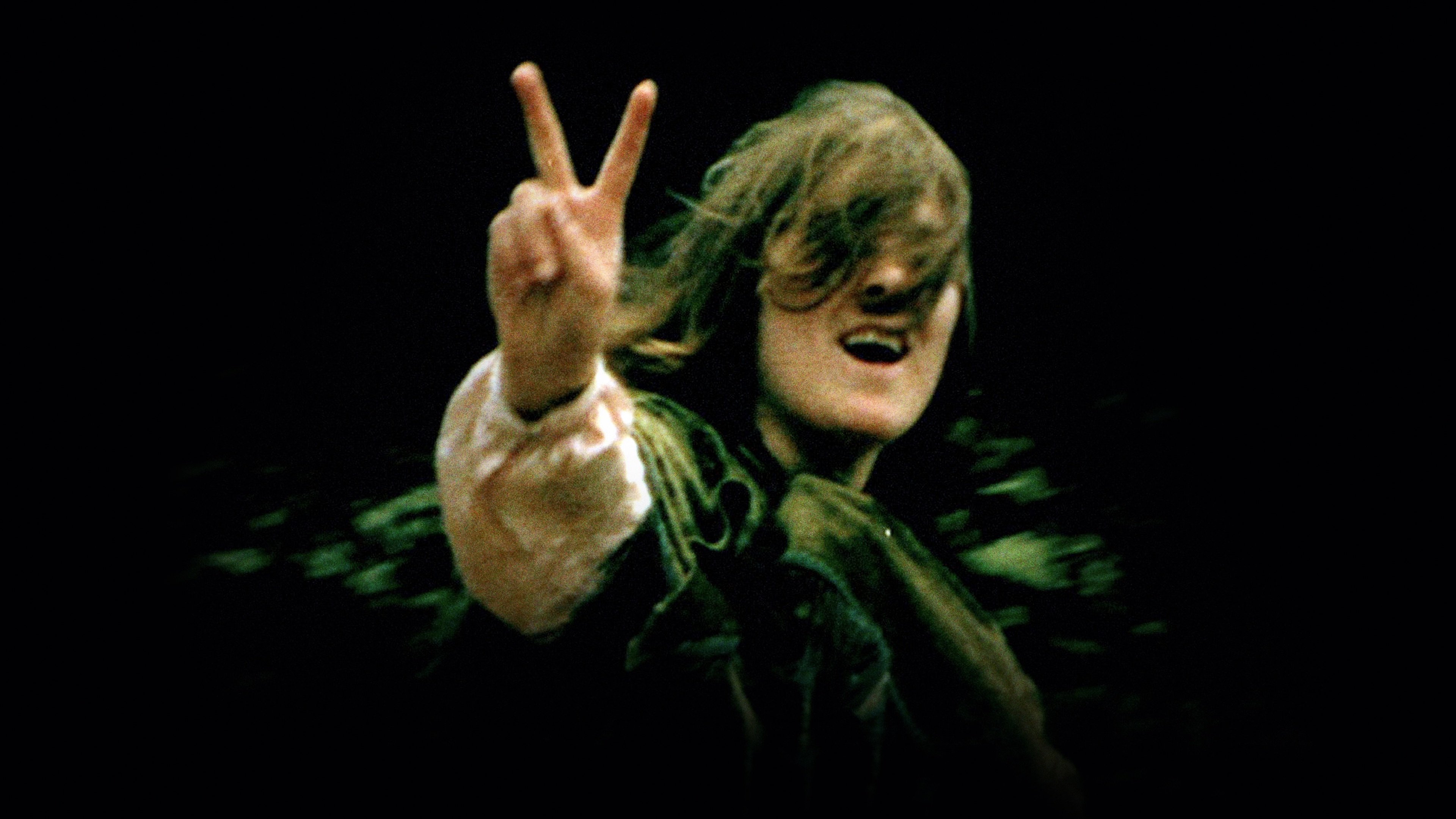
In the Summer of 1971 the Glastonbury legend was born when the organisers decided to try and create a festival that would be a forerunner for an 'alternative and utopian society'. The festival encompassed Midsummer's Day, and in true medieval tradition, the area of Worthy Farm, Pilton was given over to music, dance, poetry, theatre, spontaneous entertainment and nudity.
Insights
Plot Summary
This documentary captures the spirit and performances of the 1971 Glastonbury Festival, held on Michael Eavis's Worthy Farm. It showcases a diverse range of musical acts and provides a glimpse into the counterculture movement of the early 1970s. The film highlights the unique atmosphere of the festival, emphasizing its communal and spiritual aspects alongside the music.
Critical Reception
Glastonbury Fayre is largely appreciated as a historical document capturing a significant cultural event. While not always critically lauded for its filmmaking techniques, its value lies in its raw and authentic portrayal of the festival's atmosphere and the musical talent present. It's considered an important record of a pivotal moment in British music and counterculture history.
What Reviewers Say
A raw and immersive look at a legendary festival.
Captures the idealism and musical diversity of the early 70s counterculture.
More of a historical artifact than a polished film, but essential for its subject matter.
Google audience: Google user reviews are scarce for this historical documentary, but it is generally recognized for its significant cultural and musical value as a snapshot of the early Glastonbury Festival.
Fun Fact
The festival in the film, though titled 'Glastonbury Fayre', actually took place in 1971, and the film was released in 1972.
AI-generated overview · Verify ratings on official sources