Movie spotlight
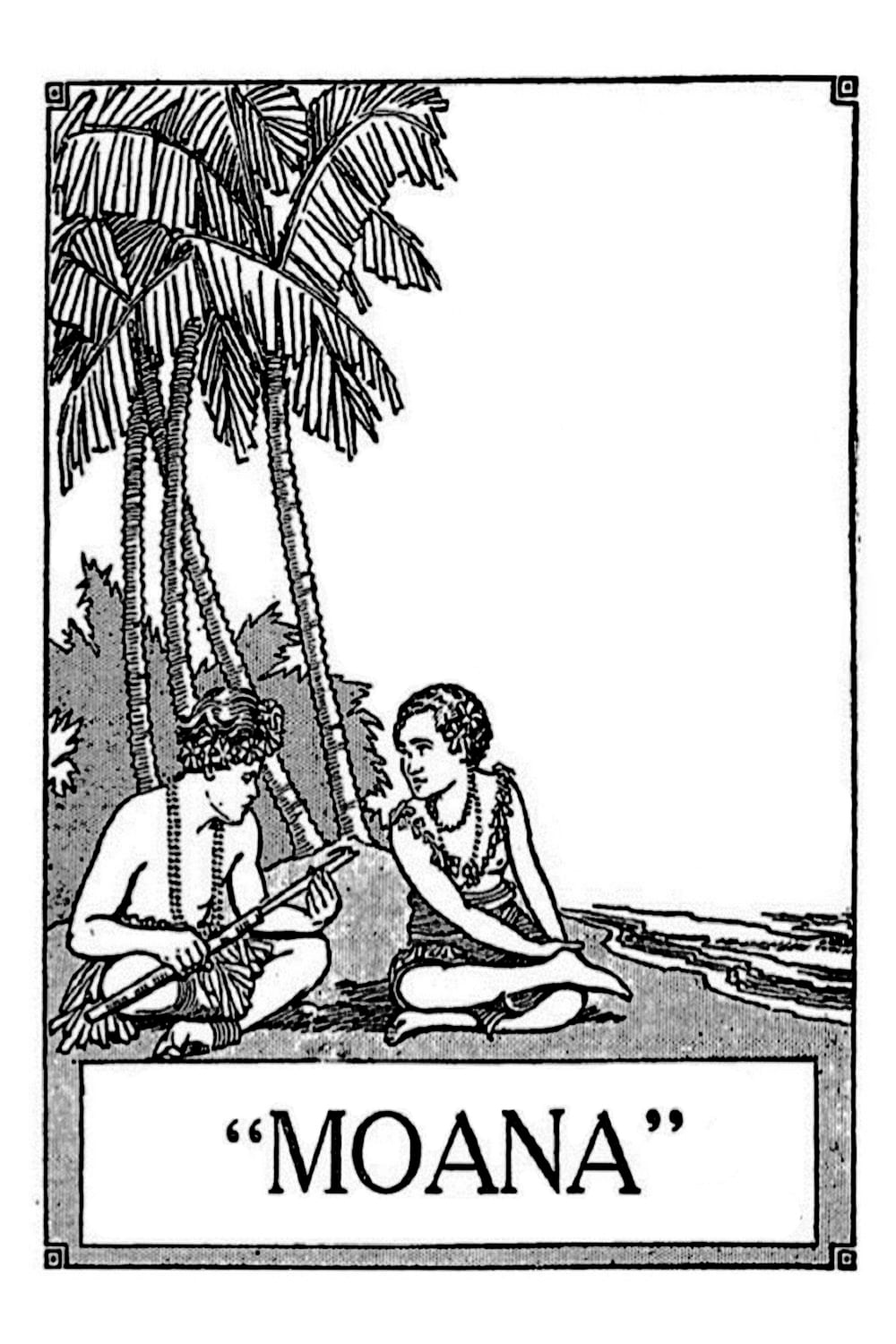
Moana
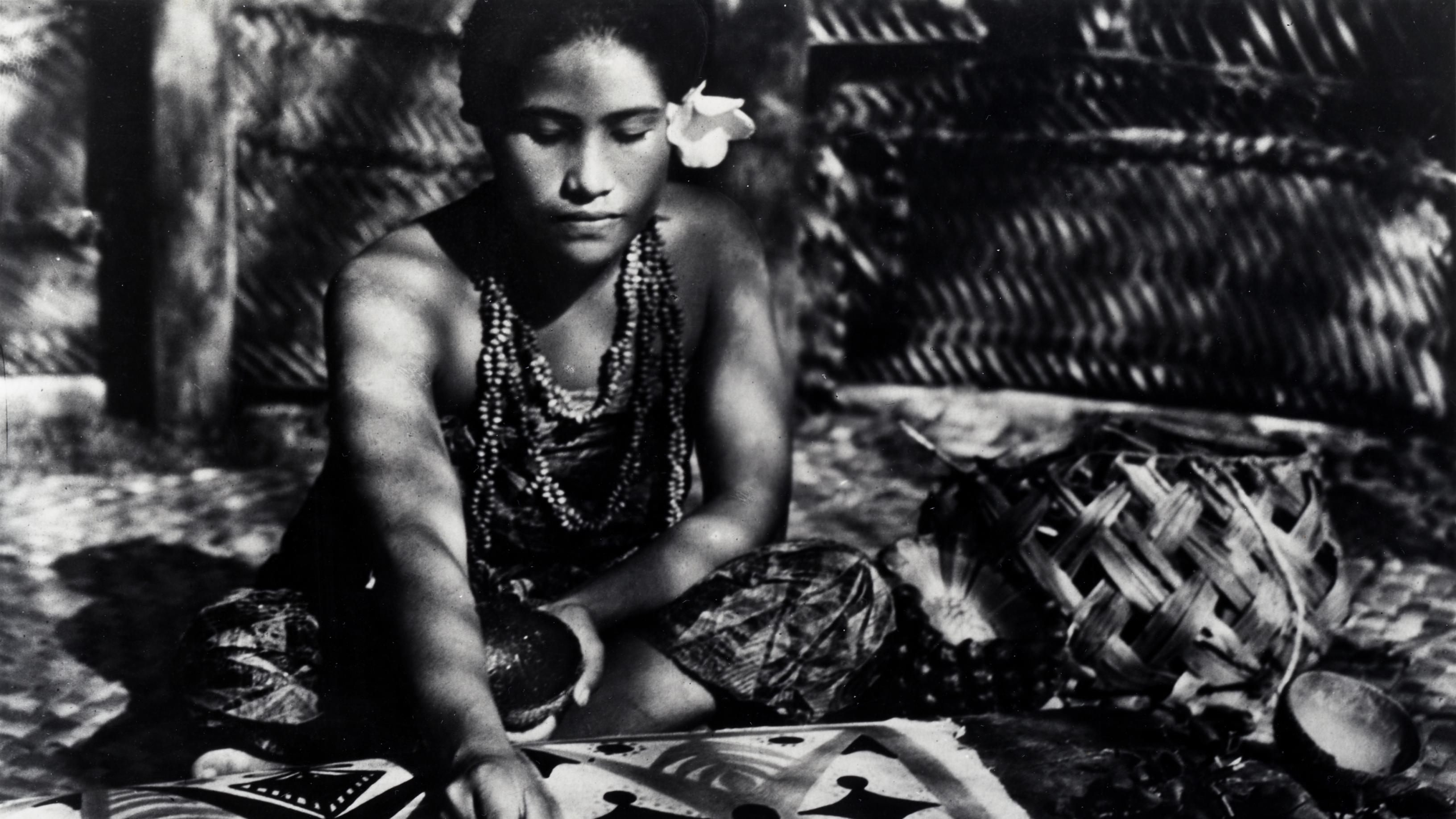
Robert J. Flaherty’s follow-up to Nanook of the North shifts from the Arctic to the South Seas, portraying Samoan village life with a painterly eye. Blending ethnographic detail with a romanticized “Gauguin idyll,” the film celebrates daily rituals, communal traditions, and the passage into adulthood, suffused with what Flaherty called “pride of beauty, pride of strength.”
Insights
Plot Summary
This pioneering documentary follows the life of a young Polynesian boy named Moana and his struggle to transition from childhood to manhood in his native village. The film vividly portrays the daily challenges of survival, including fishing, navigating the treacherous ocean, and participating in tribal ceremonies. It offers a unique glimpse into the traditions, social structures, and natural beauty of Samoa through the eyes of its protagonist.
Critical Reception
Upon its release, 'Moana' was lauded for its stunning visual artistry and its groundbreaking approach to documentary filmmaking, capturing the "real" life of its subjects with unprecedented intimacy. While some critics at the time noted the staged elements and the romanticized portrayal of a "primitive" culture, its overall impact was profound, influencing generations of filmmakers and establishing Flaherty as a master of the genre.
What Reviewers Say
Praised for its breathtaking cinematography and immersive portrayal of Samoan life.
Recognized as a landmark achievement in early documentary filmmaking.
Some modern reviews acknowledge the ethical complexities and romanticized depiction of indigenous cultures.
Google audience: Information on Google user reviews for 'Moana (1926)' is not readily available or compiled.
Fun Fact
Flaherty and his team lived in Samoa for over a year to film 'Moana,' developing a close relationship with the community and even having Flaherty's wife, Frances, teach some of the villagers English.
AI-generated overview · Verify ratings on official sources