
Movie spotlight
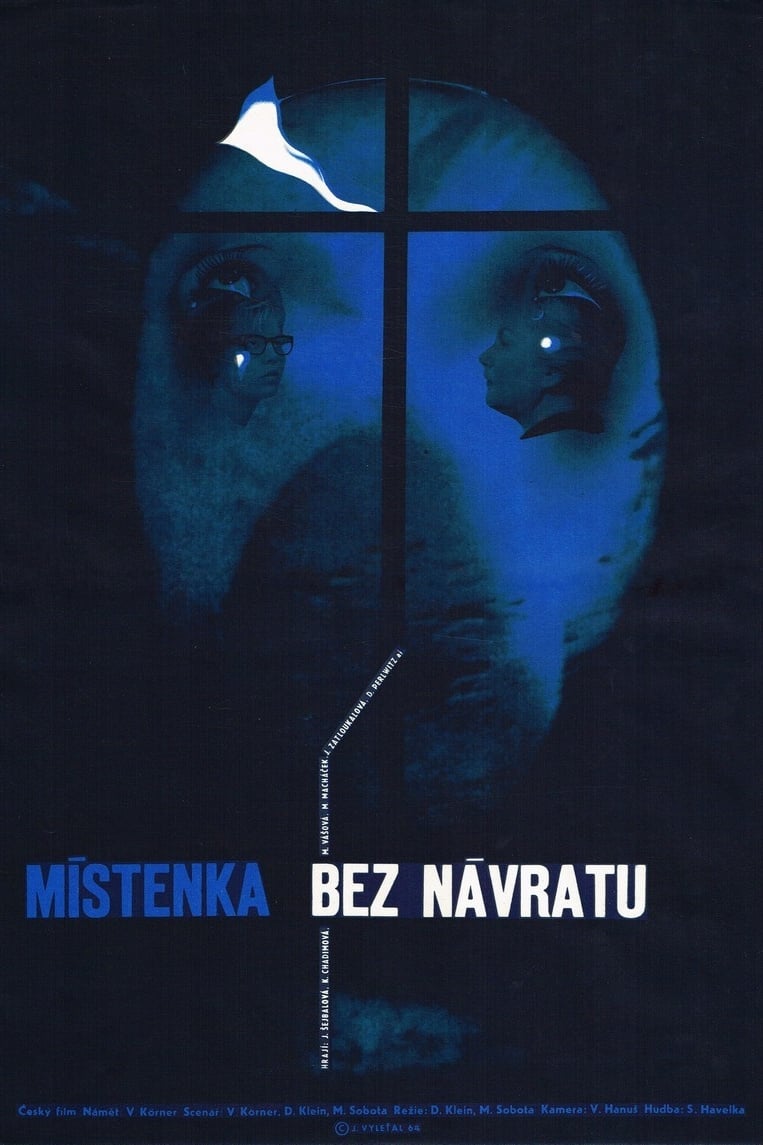
Místenka bez návratu
It is almost twenty years after the war. Wounds of the past that have never fully healed, but are still carried by many in their hearts. Marie Vláčilová, a survivor of one of the prison camps in Germany, also carries the traumas of the time with her. Now, so many years later, a mass grave of prisoners from that camp has been found and investigators visit Marie to get any information they can from her about the camp. With her important information, she is then to become a crown witness for the prosecution in Germany and now prepares to travel. But this brings back more and more unpleasant memories - especially of her daughter Paula, who has been through German re-education and hardly knew her mother after the reunion...
Insights
Plot Summary
During the final days of World War II, a young nurse named Helena finds herself increasingly disillusioned with the war and her idealized love for a soldier. She becomes entangled in a complex relationship with a doctor who offers a different perspective on survival and morality amidst the chaos. As the war nears its end, Helena must confront the harsh realities of her situation and make difficult choices about her future and her allegiances.
Critical Reception
The film was critically acclaimed for its mature and nuanced portrayal of a woman grappling with the psychological toll of war and societal expectations. It was praised for its strong performances, particularly from Jana Brejchová, and its unflinching look at the complexities of human relationships under duress.
What Reviewers Say
Praised for its sensitive depiction of a woman's inner turmoil during wartime.
Jana Brejchová's performance is a standout, conveying deep emotional complexity.
The film offers a thought-provoking examination of morality and survival in a conflict zone.
Google audience: Information on Google user reviews for this specific film is not readily available.
Fun Fact
The film's exploration of a woman's agency and psychological state during a period of immense societal upheaval was considered quite progressive for its time.
AI-generated overview · Verify ratings on official sources