
Movie spotlight
Metronom
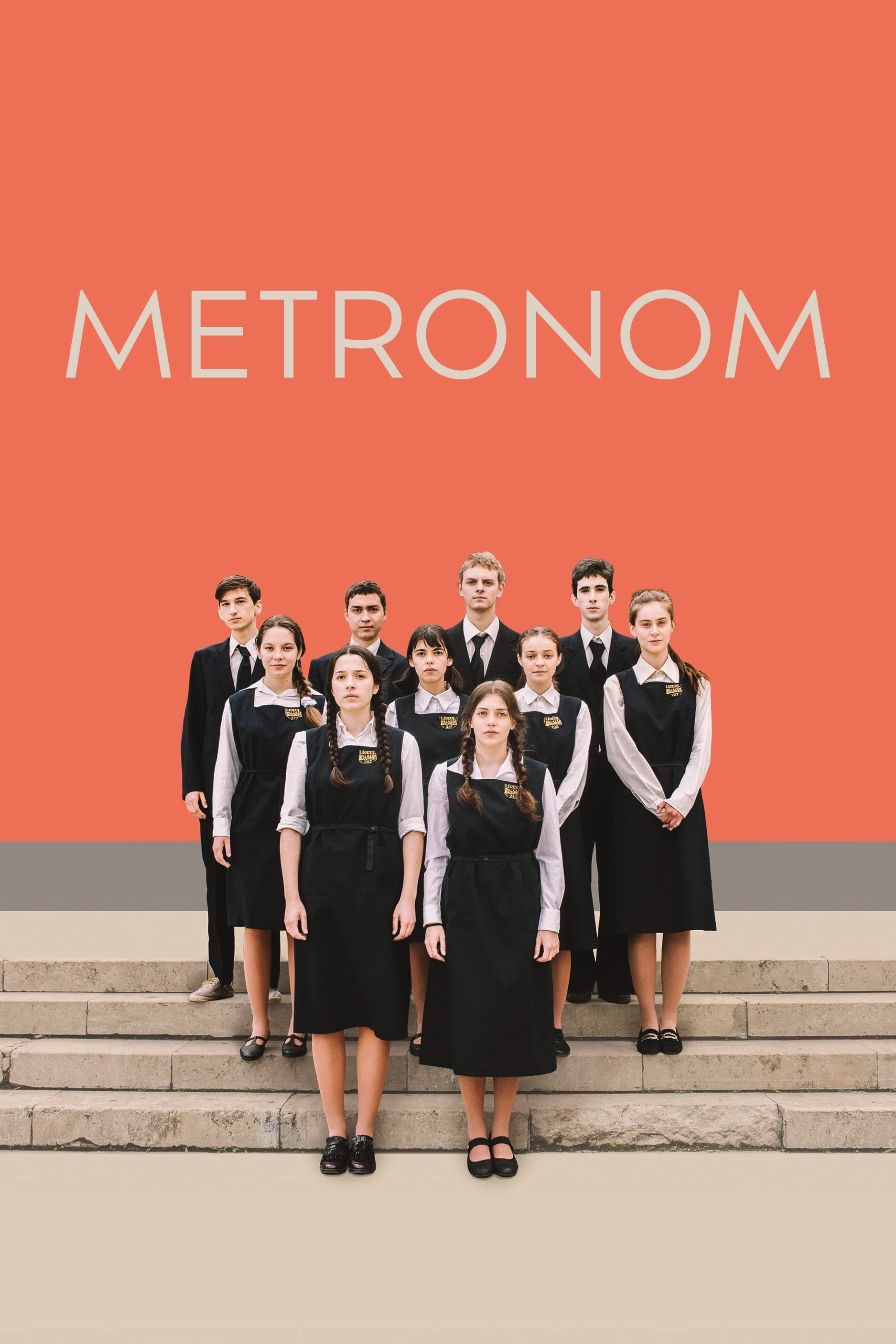
Bucharest, 1972. Ana, 17, dreams of love and freedom. One night, while partying with her friends, they decide to send a letter to Metronom, the musical program which Radio Free Europe broadcasts clandestinely in Romania. It is then that the Securitate, Ceausescu’s secret police, arrives…
Insights
Plot Summary
In 1970s communist Romania, a young woman attending university finds herself torn between her feelings for a boy she's just met and her loyalty to her country. As the lines between personal desire and political duty blur, she navigates a world of strict surveillance and societal expectations. The film explores the suffocating atmosphere of the era and the difficult choices individuals faced.
Critical Reception
Metronom received generally positive reviews from critics, who praised its atmospheric portrayal of life in communist Romania and the performances of its cast. The film was commended for its sensitive handling of themes related to freedom, repression, and young love under an oppressive regime.
What Reviewers Say
Praised for its atmospheric and convincing depiction of a repressive society.
Lauded for strong lead performances, particularly Mara Bugarin.
Appreciated for its nuanced exploration of personal freedom versus state control.
Google audience: Google users largely appreciated the film's authentic atmosphere and historical setting, highlighting its success in conveying the emotional struggles of young people in a restrictive society. Some viewers noted the slow pacing but found the overall emotional impact to be significant.
Awards & Accolades
Nominated for the Golden Camera at the Cannes Film Festival.
Fun Fact
The film's title, 'Metronom,' is symbolic of the rigid, controlled rhythm of life imposed by the communist regime in Romania during the 1970s.
AI-generated overview · Verify ratings on official sources