
Movie spotlight
Quearborn & Perversion: An Early History of Lesbian & Gay Chicago
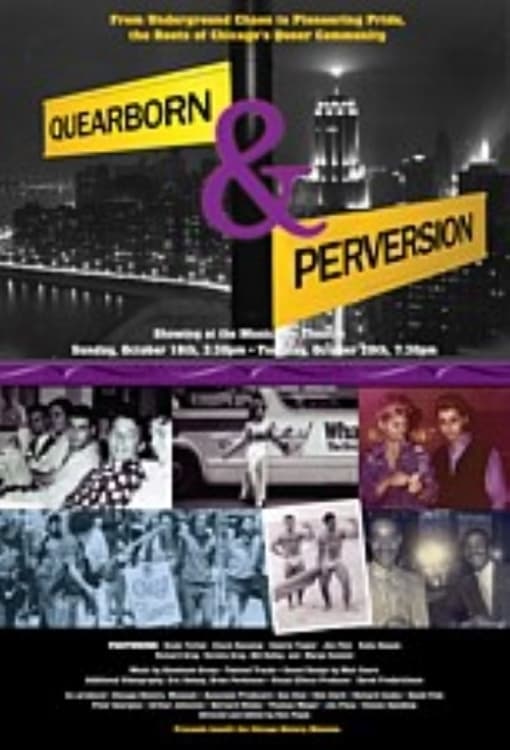
Quearborn & Perversion: An Early History of Lesbian & Gay Chicago (2009, 109 min) is a documentary on LGBTQ life in Chicago from 1934 to 1974. Moving from the speakeasys and Henry Gerber’s founding of the Society for Human Rights in the 1930s, to the underground social structure of the 1940s and 1950s, to the dawn of consciousness-raising entities such as the Daughters of Bilitis and Mattachine Midwest in the 1960’s, and concluding with the emergence of the gay liberation movement with the first Pride March and opening of the first community center in the early 1970s.
Insights
Plot Summary
This documentary explores the often-overlooked early history of the lesbian and gay community in Chicago, spanning from the early 20th century through the mid-1960s. It delves into the social and cultural landscapes that shaped LGBTQ+ lives before the Stonewall Uprising, highlighting the clandestine meeting places, burgeoning social networks, and the challenges faced by the community. The film draws on archival footage, photographs, and interviews to piece together this vital, yet often suppressed, history.
Critical Reception
As a niche historical documentary, 'Queerborn & Perversion' received limited mainstream critical reviews. However, within academic and LGBTQ+ historical circles, it is recognized for its diligent research and its contribution to understanding early LGBTQ+ life in an urban American context. Its value lies in bringing to light a period and a community's experiences that have historically been marginalized in broader historical narratives.
What Reviewers Say
Praised for its thorough archival research and commitment to uncovering hidden histories.
Valued as an important educational resource for understanding pre-Stonewall LGBTQ+ life.
Noted for its sensitive portrayal of a community often relegated to the shadows of history.
Google audience: Information on Google user reviews for this specific documentary is not readily available. As a historical documentary with a specialized audience, it may not have the widespread public discussion typical of more mainstream films.
Fun Fact
The film's title deliberately uses terms like 'Queerborn' and 'Perversion' to reclaim and confront the historical language used to stigmatize LGBTQ+ individuals during the periods it covers.
AI-generated overview · Verify ratings on official sources