Movie spotlight
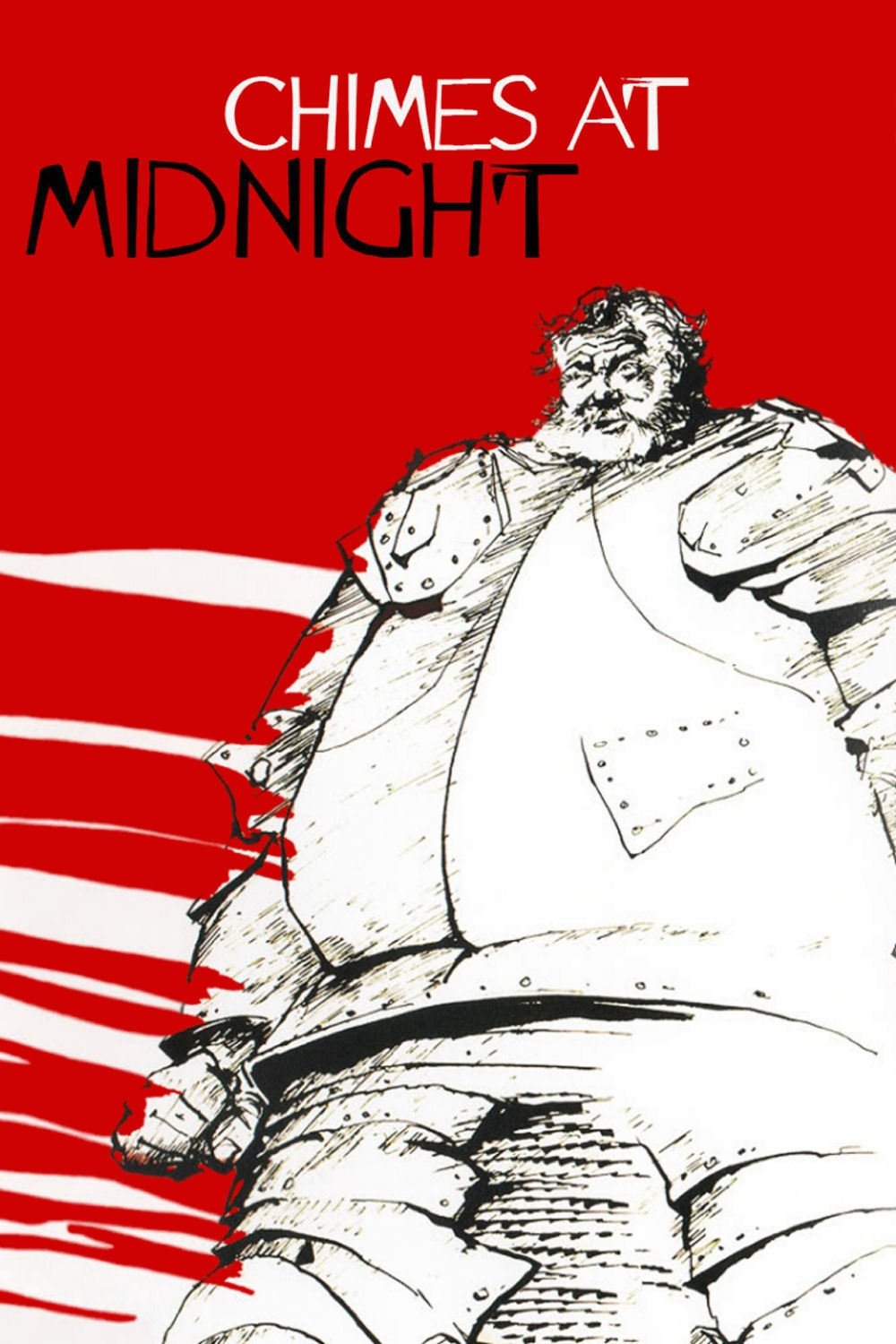
Chimes at Midnight
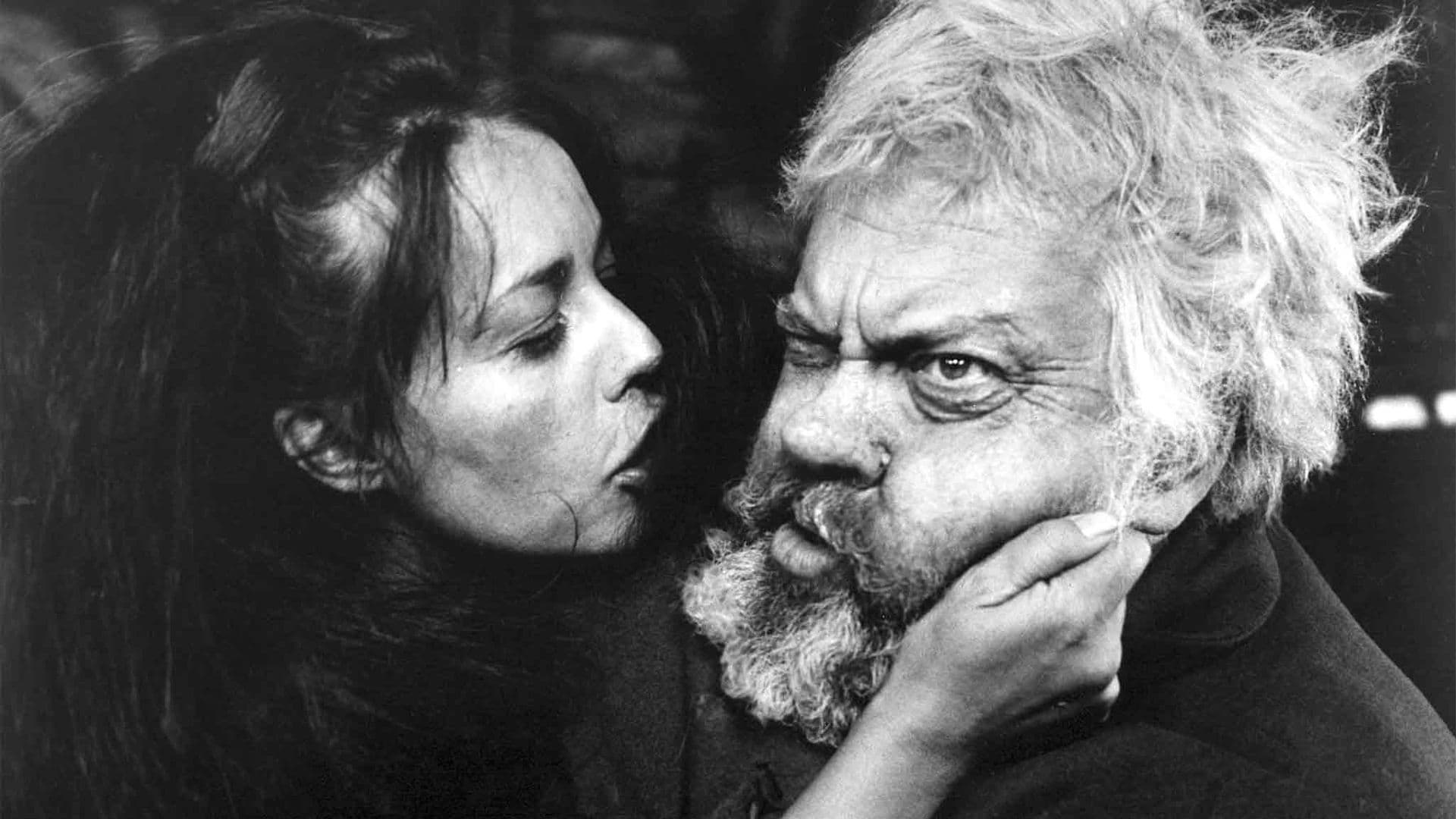
Henry IV usurps the English throne, sets in motion the factious War of the Roses and now faces a rebellion led by Northumberland scion Hotspur. Henry's heir, Prince Hal, is a ne'er-do-well carouser who drinks and causes mischief with his low-class friends, especially his rotund father figure, John Falstaff. To redeem his title, Hal may have to choose between allegiance to his real father and loyalty to his friend.
Insights
Plot Summary
This film chronicles the final years of Sir John Falstaff, a loyal friend and companion to the Prince of Wales, later King Henry V. It weaves together various Shakespearean plays to depict Falstaff's complex relationship with the young prince, his eventual disillusionment, and his poignant downfall as the prince ascends to the throne and embraces his royal duties. The narrative explores themes of loyalty, betrayal, aging, and the harsh realities of power.
Critical Reception
Orson Welles' "Chimes at Midnight" is widely regarded as one of his masterpieces and a profound cinematic achievement. Critics have lauded its ambitious scope, Welles' monumental performance as Falstaff, and the film's powerful emotional resonance. Despite its critical acclaim, it was not a commercial success upon its initial release.
What Reviewers Say
Orson Welles delivers a career-defining performance as the beloved Shakespearean rogue, Falstaff.
The film masterfully interweaves multiple Shakespearean texts to create a cohesive and emotionally resonant narrative.
Its exploration of friendship, loyalty, and the loss of innocence is both tragic and profound.
Google audience: Audiences praise "Chimes at Midnight" for its powerful performances, particularly Orson Welles as Falstaff, and its moving portrayal of a complex friendship. Many highlight the film's rich Shakespearean language and its poignant, ultimately tragic, story.
Awards & Accolades
Won the Grand Prix du Festival International du Film (now Palme d'Or) at the 1966 Cannes Film Festival. Nominated for Best Film at the 1967 Golden Globe Awards.
Fun Fact
Orson Welles considered "Chimes at Midnight" to be his favorite of his own films, calling it 'the best film I have ever made' and citing Falstaff as the character he most identified with.
AI-generated overview · Verify ratings on official sources