Movie spotlight
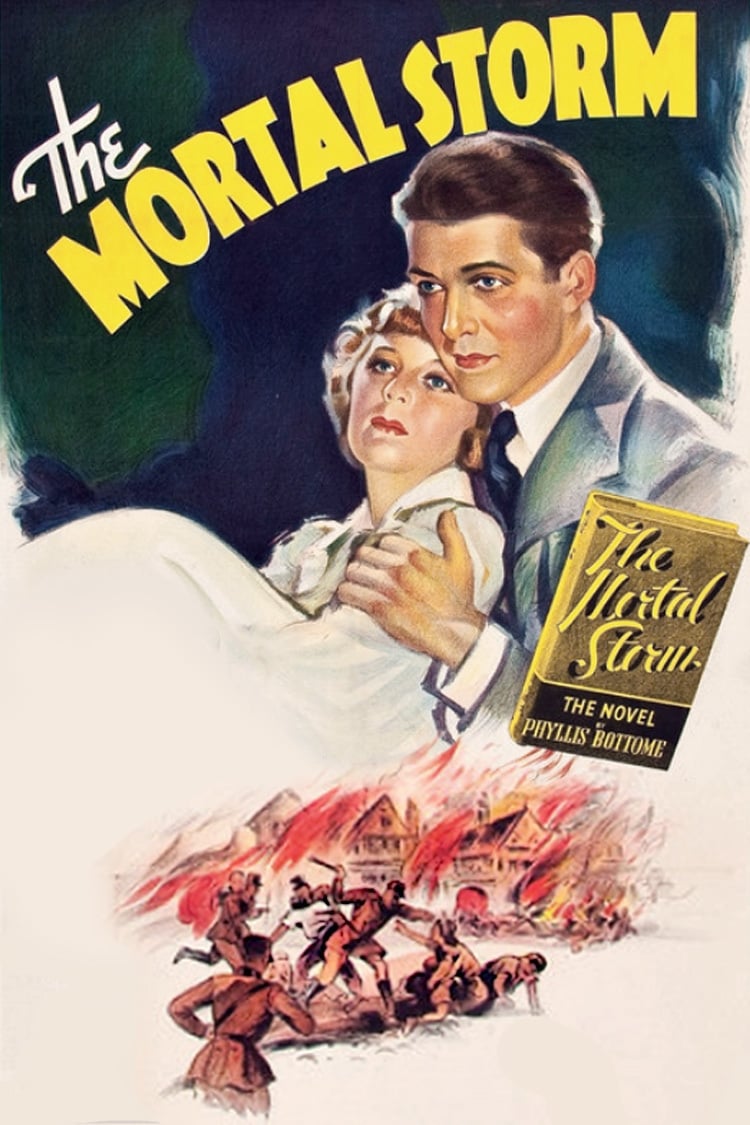
The Mortal Storm
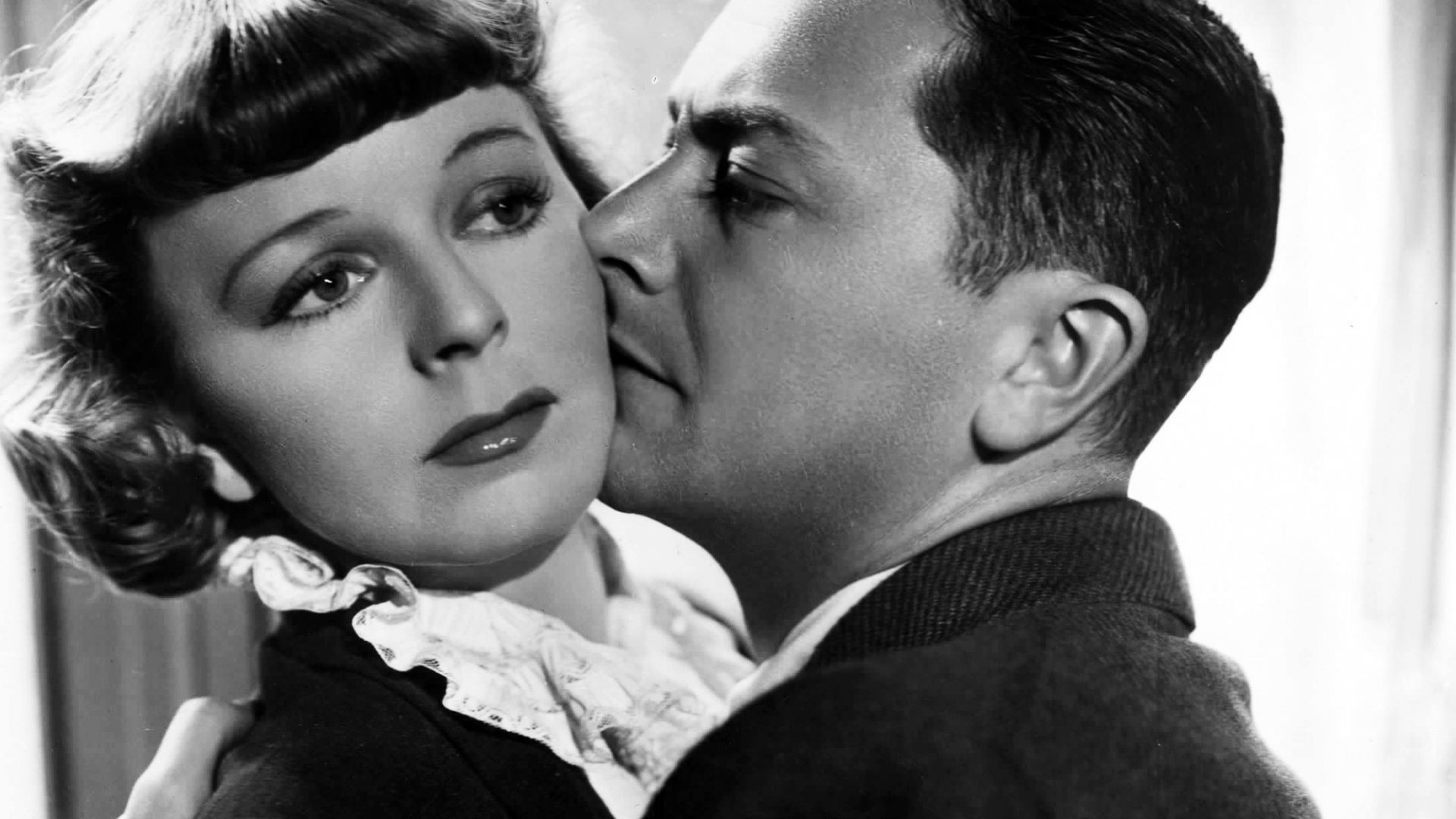
The Roth family leads a quiet life in a small village in the German Alps during the early 1930s. After the Nazis come to power, the family is divided and Martin Breitner, a family friend, is caught up in the turmoil.
Insights
Plot Summary
In a small Bavarian village, the rise of the Nazi party begins to fracture a family and their friendships. The film follows Maria, whose father is a professor and mother is a staunch opponent of the Nazi regime. As the political climate intensifies, Maria finds herself torn between her love for a young man who joins the Hitler Youth and her loyalty to her family and ideals. The storm of political upheaval eventually engulfs them all.
Critical Reception
The Mortal Storm was a significant film for its time, offering a stark warning about the dangers of Nazism and intolerance. It was praised for its emotional depth and powerful performances, particularly from Margaret Sullavan. While some contemporary reviews might have focused on its melodrama, its anti-Nazi message resonated with audiences and critics alike, establishing it as a notable Hollywood production addressing contemporary European politics.
What Reviewers Say
Praised for its urgent anti-Nazi message and timely themes.
Margaret Sullavan's performance as Maria was widely commended for its emotional resonance.
The film effectively captured the growing dread and division caused by the rise of totalitarianism.
Google audience: Audience reception data for Google reviews is not readily available for this historical film.
Fun Fact
The film was one of the first major Hollywood productions to openly condemn Nazism and was banned in Germany and other Nazi-controlled territories.
AI-generated overview · Verify ratings on official sources