Movie spotlight
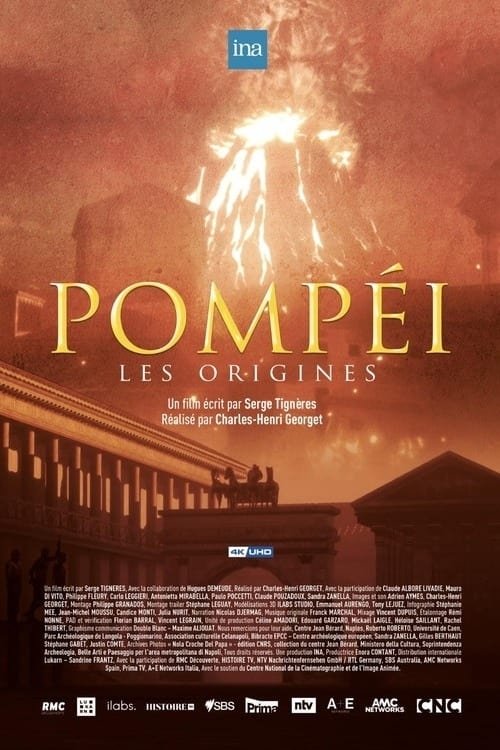
Pompeii: The Origins
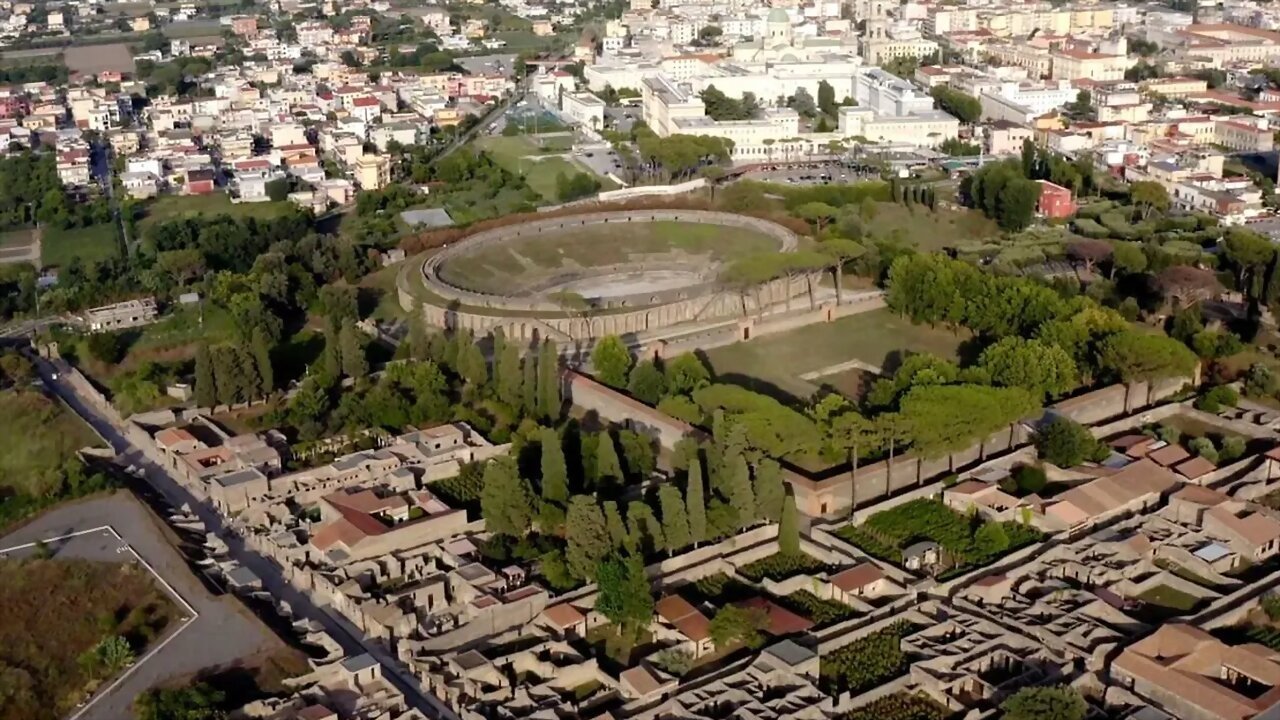
For the first time, and thanks to new archaeological excavations, this documentary reveals how Pompeii, the pride of its builders, developed, from its origins at the end of the seventh century BC until the eruption of Vesuvius in 79 AD. The use of CGI and 3D mapping provides a very clear view of this ancient superstructure and eight centuries of urban evolution. We will revive this great historical fresco through accounts by international archaeologists and historians. Pompeii: The Origins is a journey to the heart of an ancient ‘motion designed’ city.
Insights
Plot Summary
This documentary series explores the rich history and eventual destruction of the ancient Roman city of Pompeii. It delves into the daily lives of its inhabitants, the societal structures, and the volcanic eruption of Mount Vesuvius that famously preserved the city in ash. The series aims to bring the past to life, examining archaeological evidence to understand the culture and the catastrophic event.
Critical Reception
As a documentary series focusing on historical events, "Pompeii: The Origins" generally received positive attention for its informative content and engaging presentation of the subject matter. Reviewers often highlighted the detailed reconstructions and expert interviews that provided a comprehensive look at Pompeii's history and demise. Audience reception was also favorable, appreciating the educational value and the vivid portrayal of ancient Roman life.
What Reviewers Say
Praised for its detailed historical accuracy and compelling narrative.
Appreciated for its visual reconstructions and expert insights into Roman life.
Considered an informative and engaging exploration of Pompeii's history and destruction.
Google audience: Information on specific Google user reviews is not readily available for this documentary series. However, general audience interest in the topic of Pompeii suggests a positive reception for well-produced educational content.
Fun Fact
The excavation of Pompeii, which began in the 18th century, revealed remarkably preserved buildings, frescoes, and even the voids left by victims, offering an unparalleled glimpse into Roman daily life.
AI-generated overview · Verify ratings on official sources