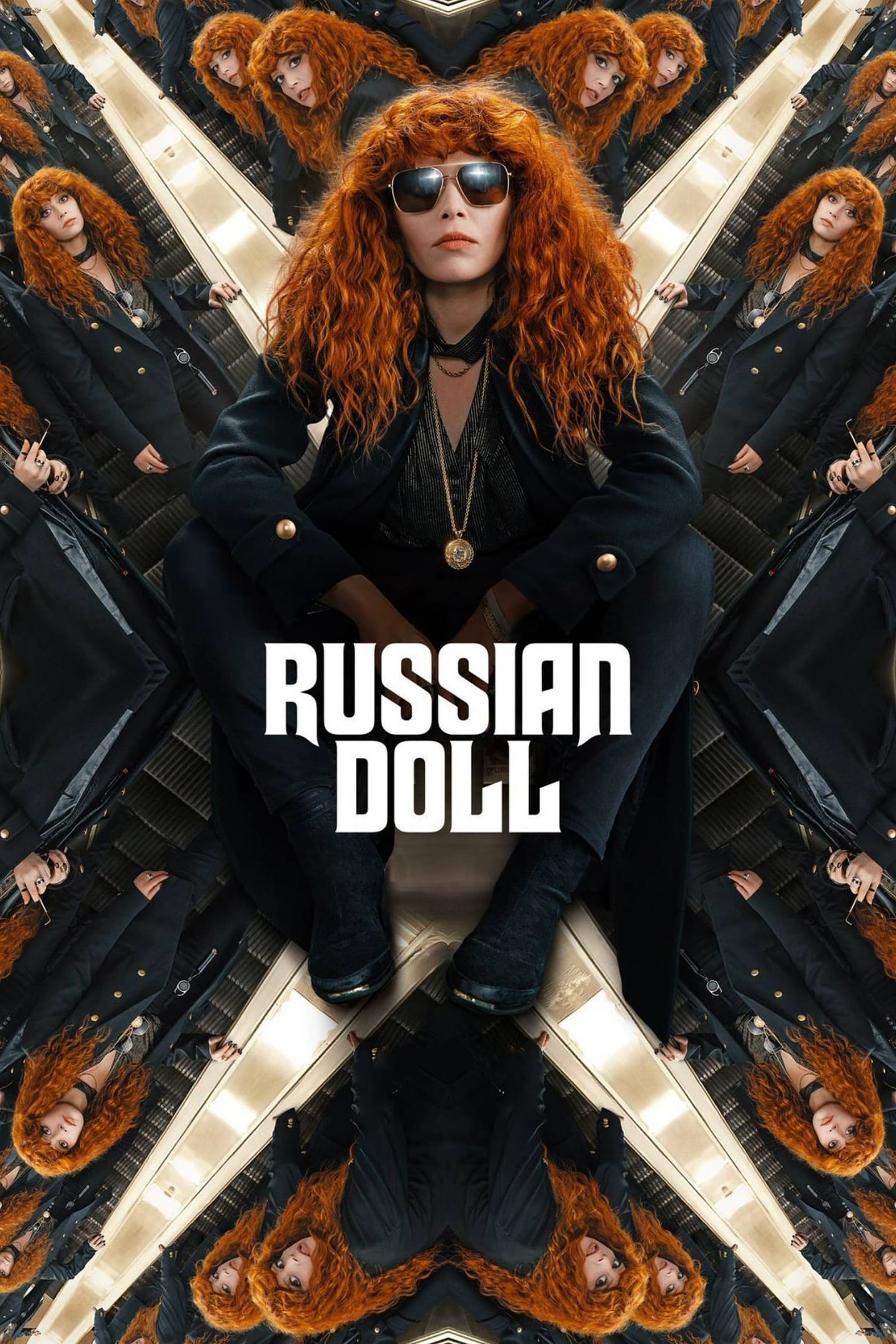

Russian Doll
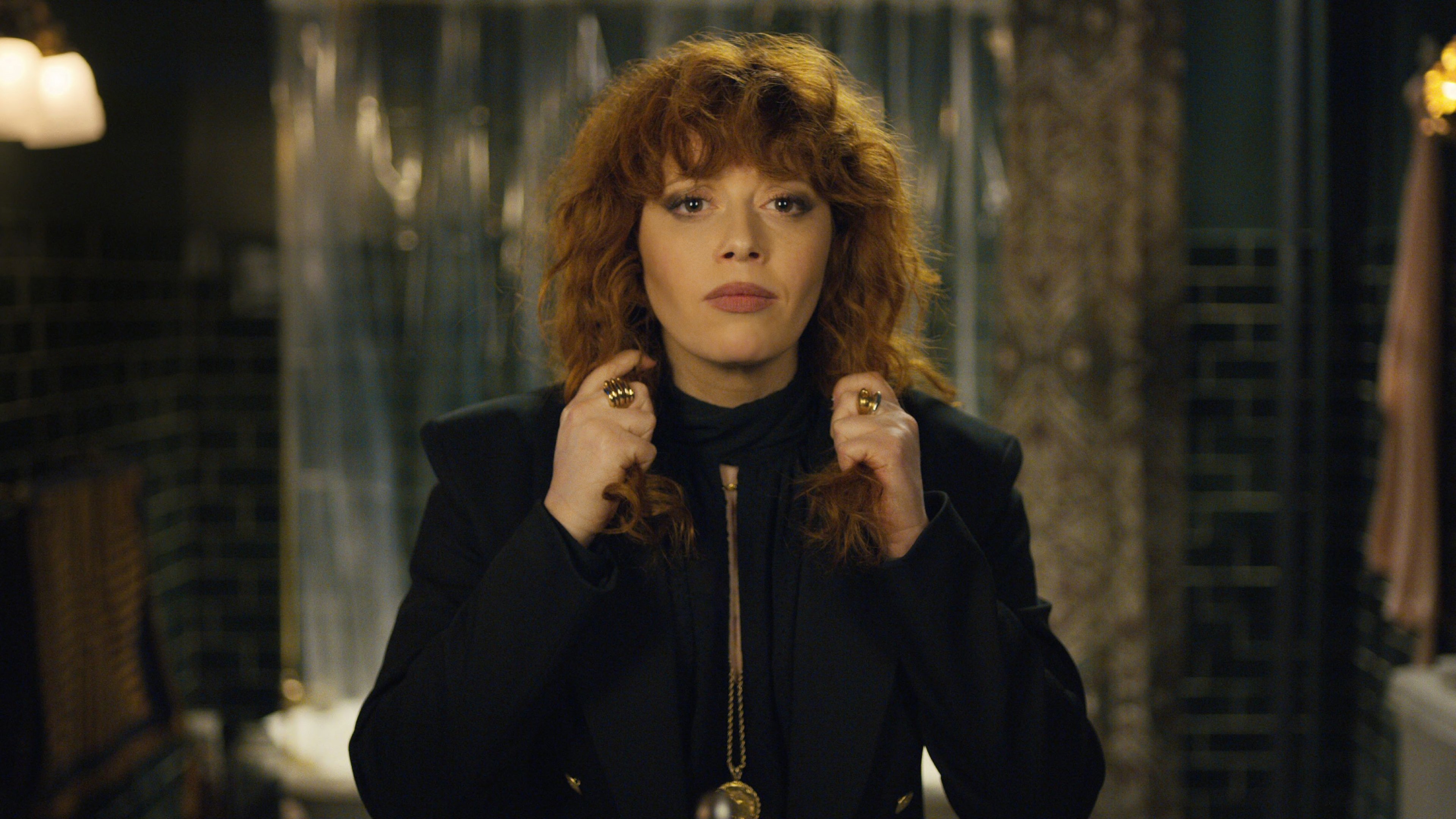
Nadia keeps dying and reliving her 36th birthday party. She's trapped in a surreal time loop -- and staring down the barrel of her own mortality.
Insights
Plot Summary
Nadia Vulvokov finds herself navigating a mysterious new reality, dealing with existential questions and complex family history. Alongside Alan Zaveri, she journeys through time and space, encountering the past and future in a series of mind-bending episodes. The series explores themes of identity, trauma, and the interconnectedness of human experience.
Critical Reception
Season 2 of Russian Doll was met with generally positive reviews, praised for its ambitious scope and continued exploration of complex themes. While some critics found the narrative more abstract and challenging than the first season, the performances, particularly Natasha Lyonne's, were widely lauded. The show's unique blend of dark humor, philosophical inquiry, and surreal storytelling continued to captivate audiences and critics alike.
What Reviewers Say
- Praised for its inventive storytelling and ambitious exploration of time and trauma.
- Natasha Lyonne's performance remains a powerful anchor for the series' complex narrative.
- Some viewers found the second season more abstract and less cohesive than the first.
Google audience: Google users largely appreciated the second season's bold narrative choices and emotional depth, highlighting the compelling performances and thought-provoking themes. However, a portion of reviews indicated that the more philosophical and abstract elements were sometimes difficult to follow.
Awards & Accolades
None notable for Season 2 specifically, though the series as a whole has received multiple Emmy nominations.
Fun Fact
The production for Season 2 was significantly delayed due to the COVID-19 pandemic, with filming eventually commencing in March 2021.
AI-generated overview · Verify ratings on official sources
My Review
TMDB Reviews
3 reviews
Peter McGinn
