Movie spotlight
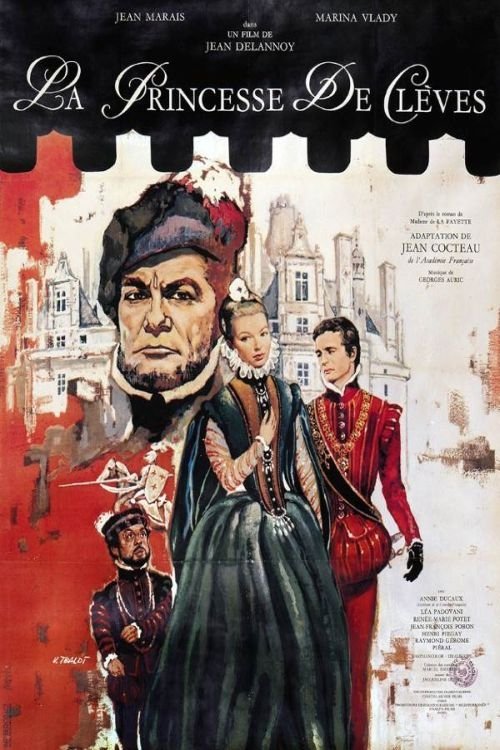
Princess of Cleves
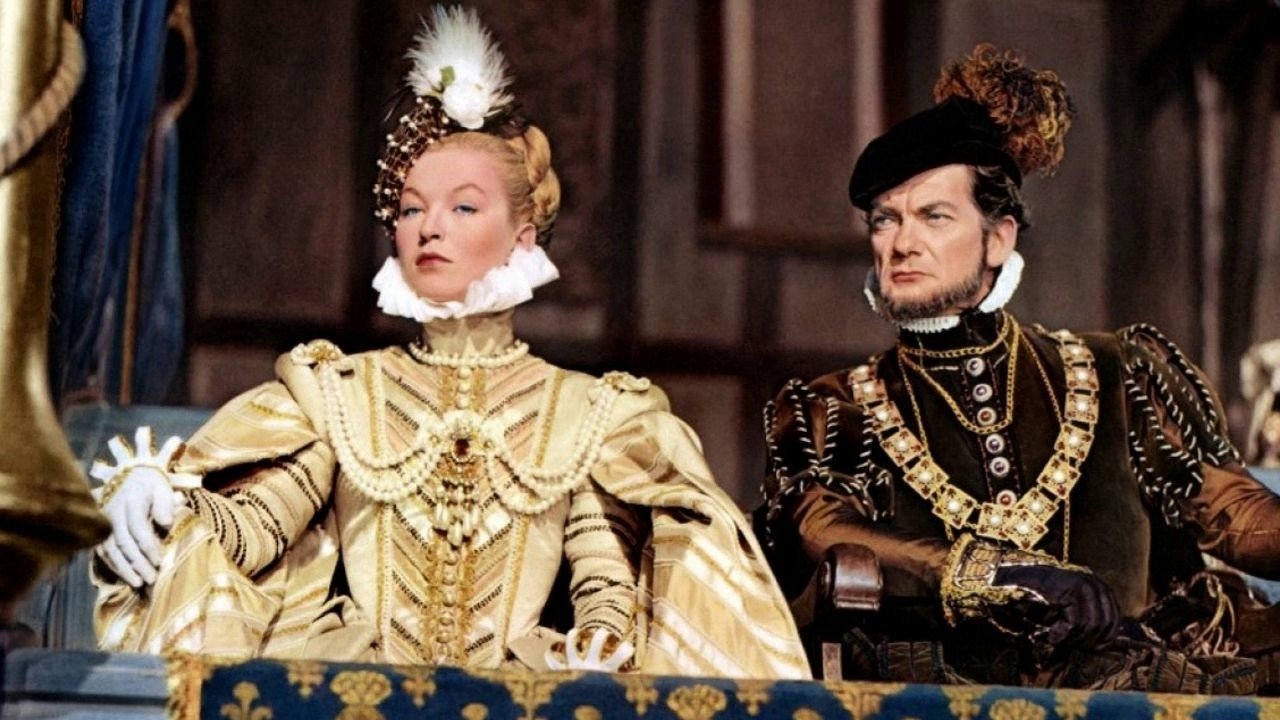
When a young teen marries the Prince of Cleves, more than twice her age, she automatically becomes an official Princess and takes her new position to heart. Although distracted by the elite entertainments found at court, the princess cannot help but mourn her impossible love for the dashing Duc de Nemours.
Insights
Plot Summary
In 16th-century France, a young duchess finds herself in a complex love triangle. Married for political reasons, she develops a deep affection for a Duke who reciprocates her feelings. However, her husband's jealousy and societal pressures create a tumultuous situation. The film explores themes of duty, desire, and the constraints placed upon women in aristocratic society.
Critical Reception
The film adaptation of Madame de La Fayette's classic novel was met with a generally positive reception, praised for its visual splendor and faithful, albeit somewhat romanticized, depiction of the source material. Critics highlighted the performances of its lead actors and the lavish production design. While some found its pacing deliberate, it was largely recognized as a significant French historical drama.
What Reviewers Say
Praised for its lavish costumes and sets, capturing the opulence of the French court.
The performances, particularly Marina Vlady's portrayal of the titular princess, were often commended for their sensitivity.
Some critics noted the film's adherence to a more traditional, romantic interpretation of the novel, which may not have satisfied those seeking a more modern or psychological approach.
Google audience: Audience reception is not widely documented or easily accessible for this historical film. However, viewers who appreciate classic French cinema and historical romances often find it to be a visually appealing and emotionally resonant adaptation.
Awards & Accolades
Nominated for the Palme d'Or at the 1961 Cannes Film Festival.
Fun Fact
The film is a direct adaptation of the 17th-century French novel of the same name by Madame de La Fayette, considered one of the earliest examples of modern psychological novels.
AI-generated overview · Verify ratings on official sources