Movie spotlight
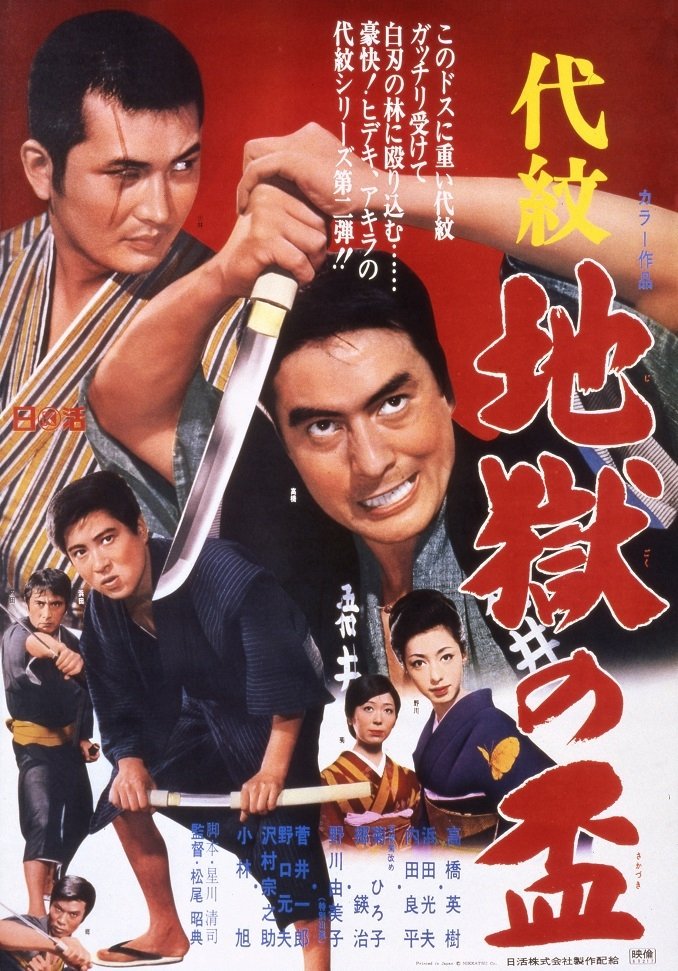
Family Crest: Loyalty Offering Hell
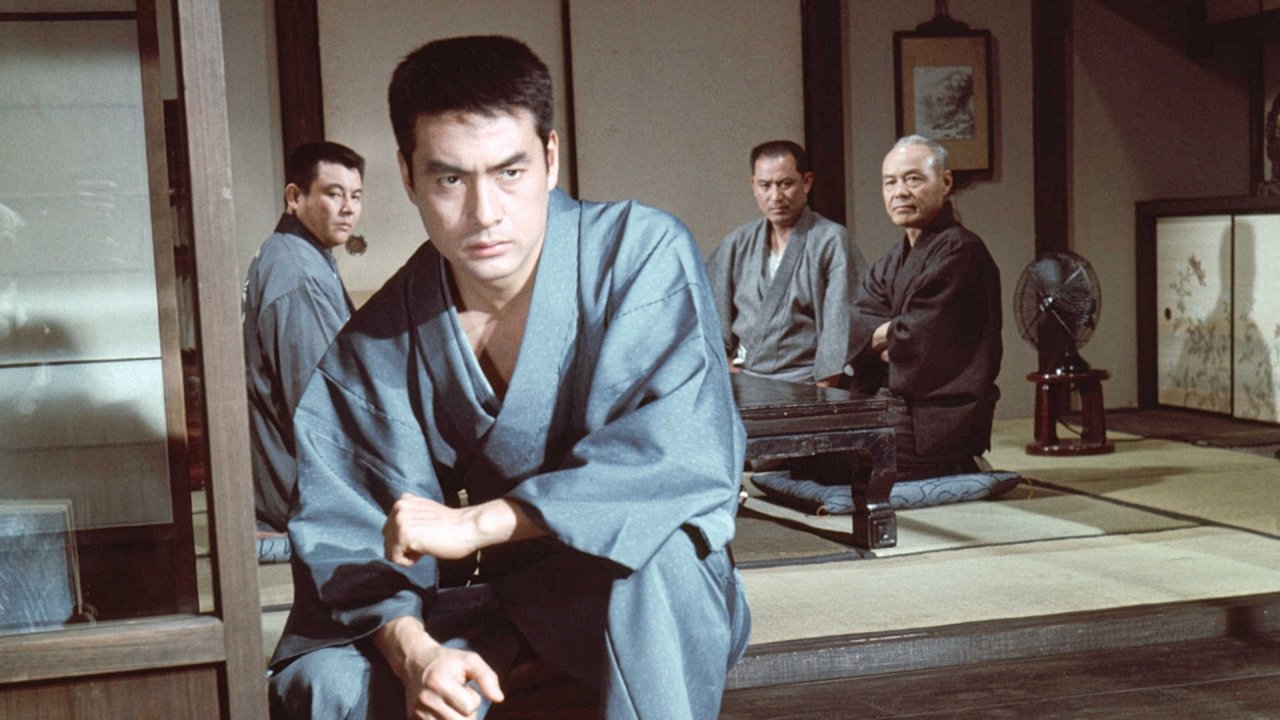
Nonaka Tetsugoro, a substitute for the Aoi group, held a flower party to celebrate the complete recovery of his boss. However, three rival bosses, trying to steal the Aoi's territory, made take-over plans in the shadows. The second in the two part Daimon series movies.
Insights
Plot Summary
This avant-garde film explores themes of family, loyalty, and societal decay through a surreal and often disturbing narrative. It follows the fragmented lives of individuals entangled in complex relationships, depicted through unconventional cinematic techniques and imagery. The film delves into the psychological toll of obligation and the breakdown of traditional values in a rapidly changing Japan.
Critical Reception
"Family Crest: Loyalty Offering Hell" is a challenging and divisive film, recognized for its radical departure from conventional filmmaking. Critics have noted its artistic ambition and its powerful, albeit unsettling, visual language. While not widely accessible due to its experimental nature, it holds a significant place in the history of Japanese avant-garde cinema.
What Reviewers Say
Praised for its bold and experimental visual style.
Considered a difficult but rewarding watch for cinephiles.
Explores dark psychological themes with unflinching intensity.
Google audience: Audience reception is difficult to gauge due to the film's niche and experimental nature. It is generally appreciated by those seeking unconventional cinematic experiences and challenging narratives.
Fun Fact
The film was part of the "New Japanese Cinema" movement and was screened at international avant-garde film festivals, contributing to its cult status.
AI-generated overview · Verify ratings on official sources