
Insights
Plot Summary
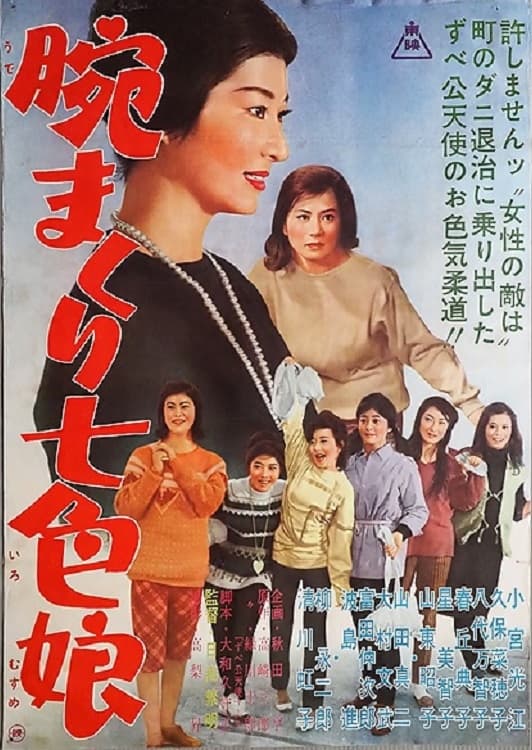
A spirited young woman named Nana challenges societal norms and her family's expectations in post-war Japan. Working in her father's shop, she dreams of independence and finds unexpected romance amidst her struggles. The film explores themes of tradition versus modernity, individual aspiration, and the joys and heartaches of young love.
Critical Reception
While specific critical reviews from international sources are scarce for this 1961 Japanese film, "Wanemakuri Nanairo Musume" (translated as "Rolled-Up Sleeves Rainbow Girl") was a popular domestic release. It is remembered for its lighthearted portrayal of a determined young woman navigating life and love, resonating with audiences of the era for its blend of comedy and relatable drama.
What Reviewers Say
Appreciated for its charming lead performance and depiction of a young woman's independence.
Praised for its gentle humor and heartwarming narrative.
Seen as a reflection of societal shifts and aspirations in early 1960s Japan.
Google audience: Audience reviews for "Wanemakuri Nanairo Musume" are not readily available in English. However, its enduring presence in Japanese film history suggests it was viewed favorably for its escapist entertainment and relatable characters.
Fun Fact
Chieko Baisho, who plays the lead role of Nana, became one of Japan's most beloved actresses and singers, known for her roles in Shochiku films and her hit song "Kantsubaki" (Winter Camellia).
AI-generated overview · Verify ratings on official sources