
Movie spotlight
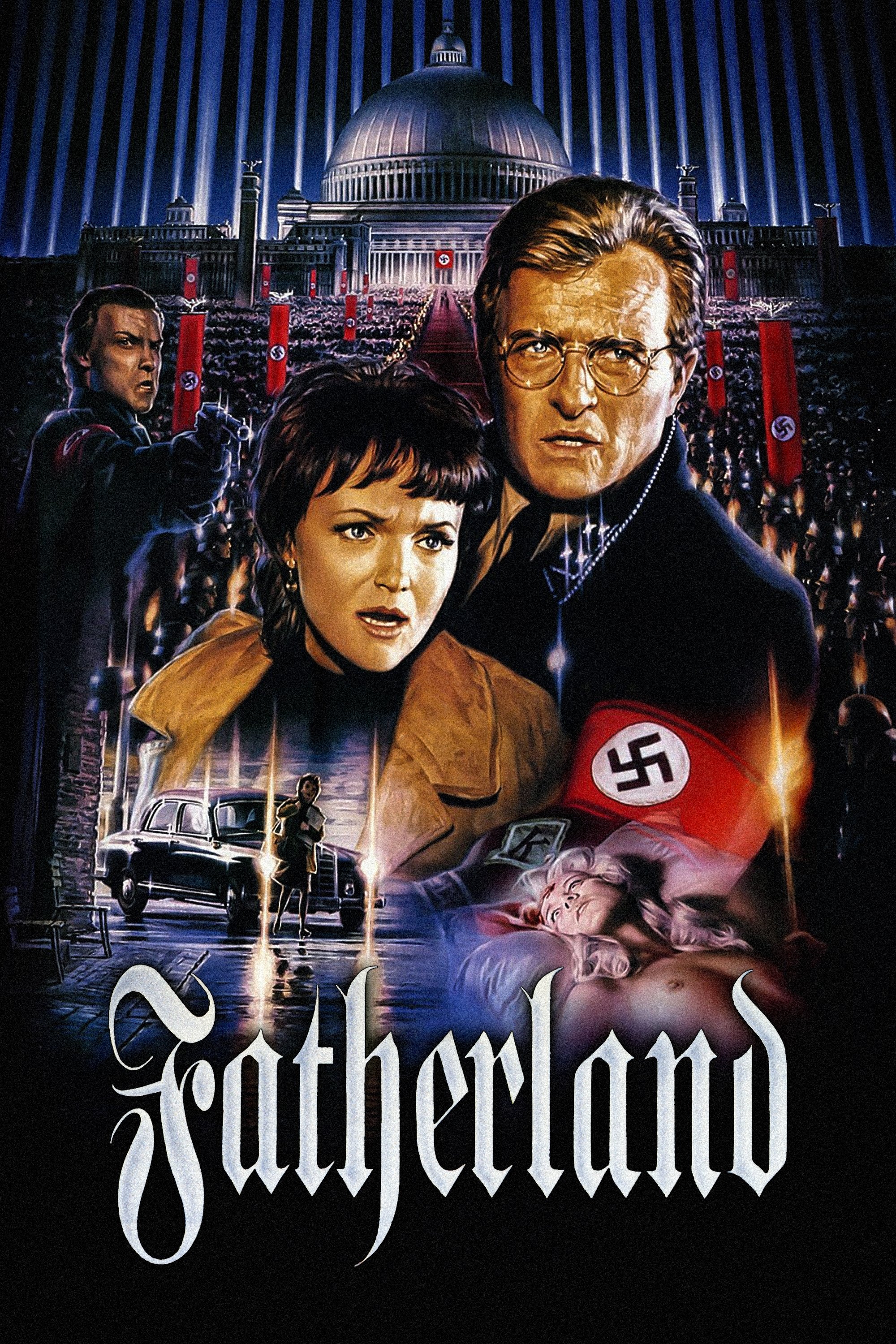
Fatherland
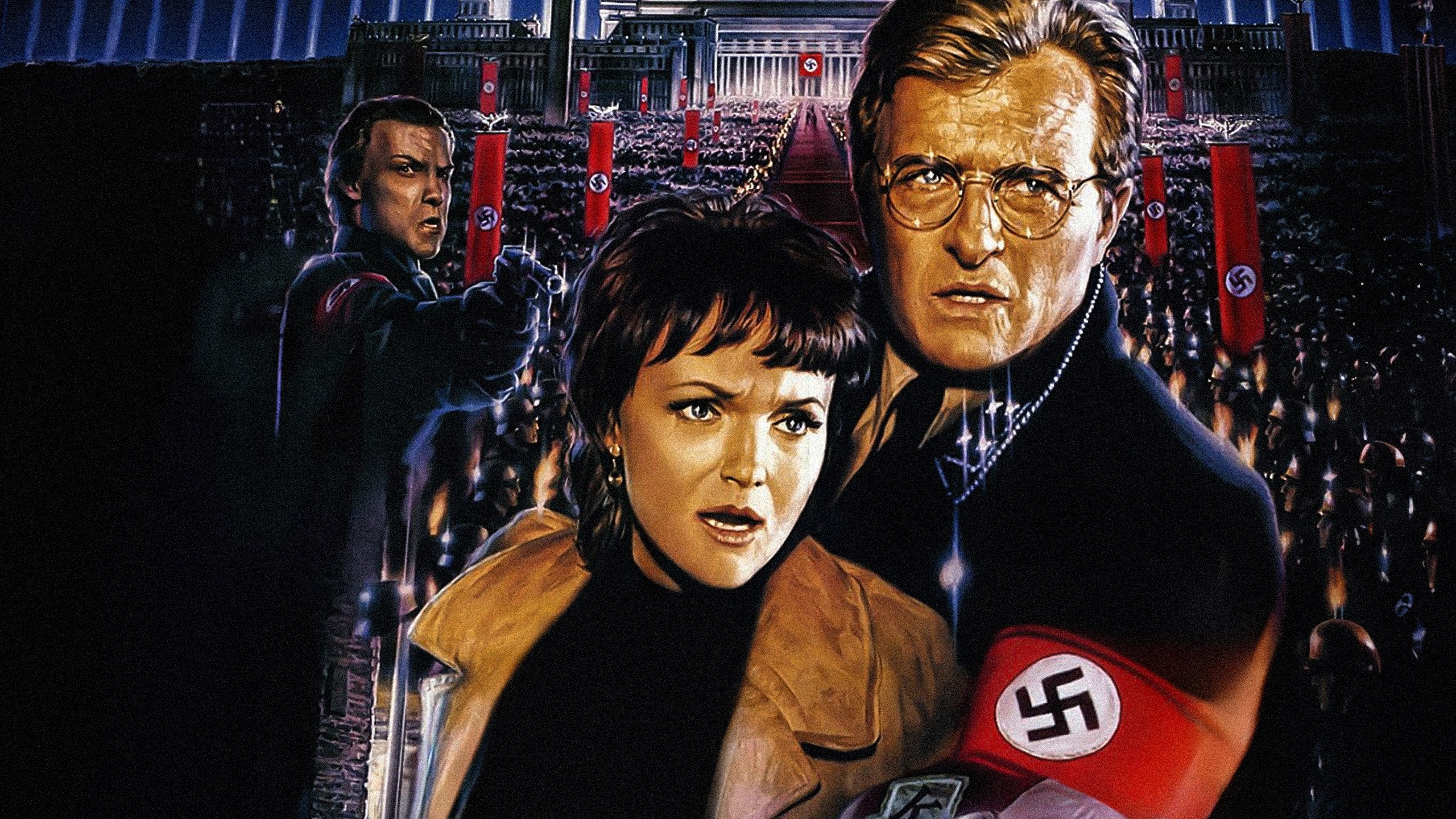
Fictional account of what might have happened if Hitler had won the war. It is now the 1960s and Germany's war crimes have so far been kept a secret. Hitler wants to talk peace with the US president. An American journalist and a German homicide cop stumble into a plot to destroy all evidence of the genocide.
Insights
Plot Summary
In a dystopian 1964, Nazi Germany has won World War II and controls Europe. Detective Xavier March investigates the murder of a prominent SS officer, only to uncover a conspiracy involving the 'Final Solution' that could expose the Reich's darkest secret to the world. As he delves deeper, March finds himself caught between the regime's brutal apparatus and his own growing conscience, risking everything to uncover the truth.
Critical Reception
Fatherland received mixed to positive reviews, with particular praise directed at its ambitious alternate history premise, visual style, and Rutger Hauer's performance. Some critics found the plot occasionally convoluted, but many appreciated its thematic depth and unsettling portrayal of a world under Nazi rule. It is often regarded as a standout example of the dystopian thriller genre.
What Reviewers Say
Praised for its chilling alternate history concept and dark atmosphere.
Rutger Hauer delivers a compelling performance as the conflicted detective.
Some found the narrative pacing and plot development uneven.
Google audience: Audience reception is not widely documented through aggregated Google reviews for this film.
Fun Fact
The film is based on the 1992 novel of the same name by Robert Harris, which was shortlisted for the prestigious Gold Dagger award for crime fiction.
AI-generated overview · Verify ratings on official sources