Director: Roberto Gavaldón•Genres: Fantasy, Drama
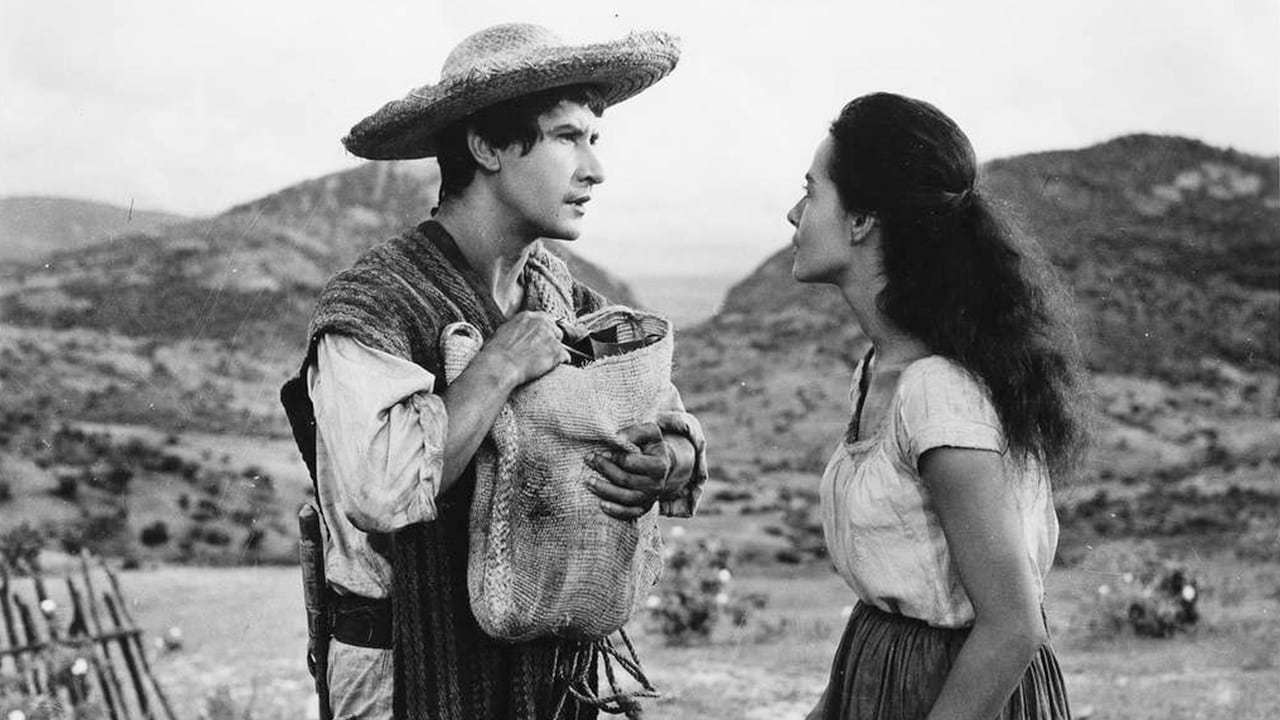
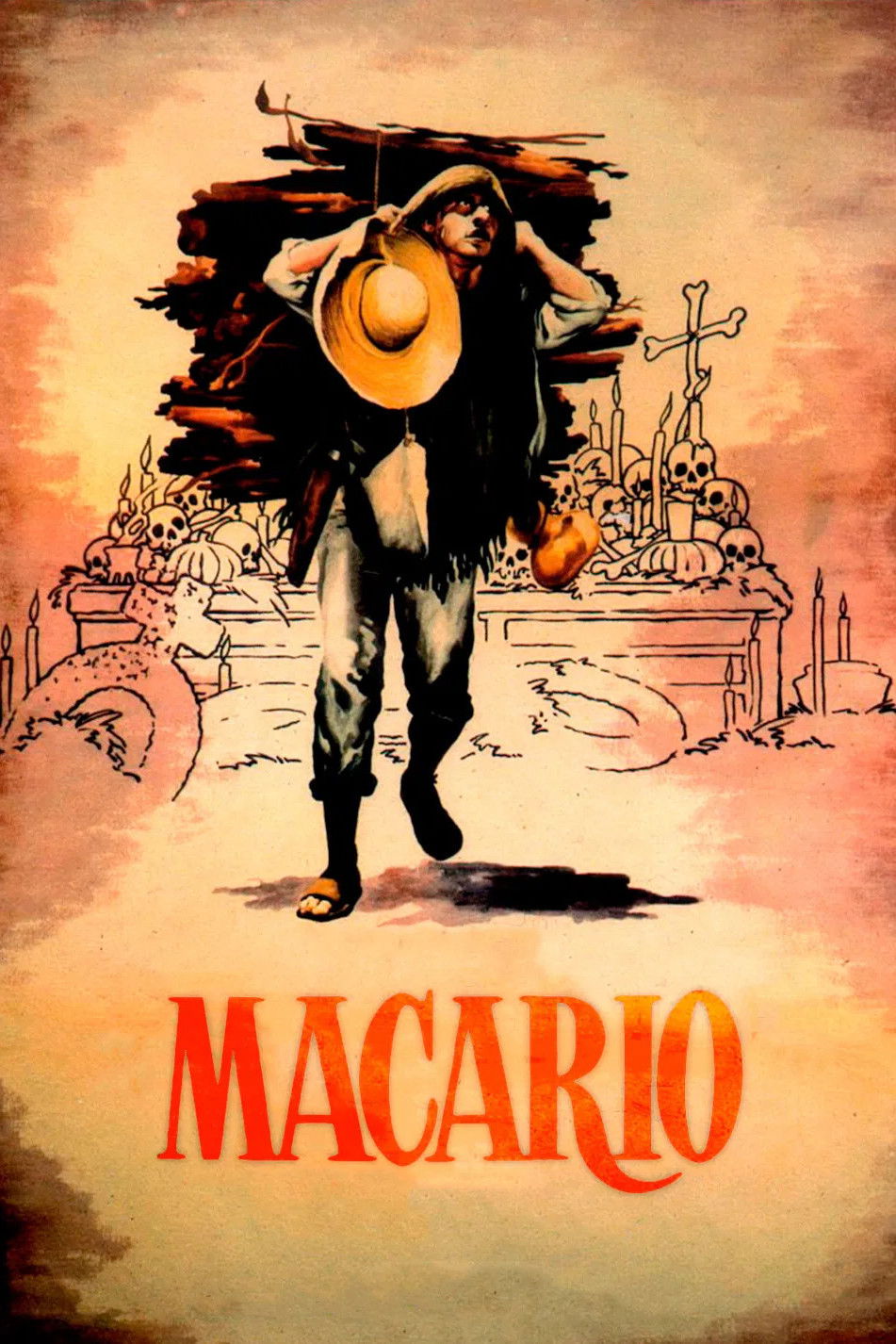
Set in 16th-century Mexico during the Spanish conquest, Macario is a humble peasant who dreams of owning his own kiln and, more importantly, eating a whole roast turkey by himself. Driven by hunger and desperation, he ventures into the haunted woods to hunt. There, he encounters Death, who offers him a magical drink that grants immortality, but only to Macario. This gift turns Macario into a feared figure, pursued by both the living and the dead, as he grapples with the true meaning of life and the burden of his newfound power.
Macario was a significant film for Mexican cinema, earning critical acclaim both domestically and internationally. It was praised for its philosophical themes, stunning cinematography, and memorable performance by Ignacio López Tarso. The film was a commercial success and remains a beloved classic, often cited as one of the greatest Mexican films ever made.
A visually striking and thought-provoking fairy tale with deep philosophical undertones.
Ignacio López Tarso delivers a powerful and iconic performance as the desperate peasant.
The film masterfully blends horror, fantasy, and social commentary.
Google audience: Google user reviews are not readily available for this classic Mexican film, but general audience sentiment historically praises its enduring artistic merit and impactful storytelling.
Nominated for the Palme d'Or at the 1960 Cannes Film Festival. It was also Mexico's official submission for the Academy Award for Best Foreign Language Film in 1961, though it was not nominated.
The film was shot in stark black and white, which was unusual for the time and contributed significantly to its haunting and timeless atmosphere.
AI-generated overview · Verify ratings on official sources