Blind Chance
Blind Chance

Movie spotlight

Blind Chance

1987
Movie
117 min
Polish

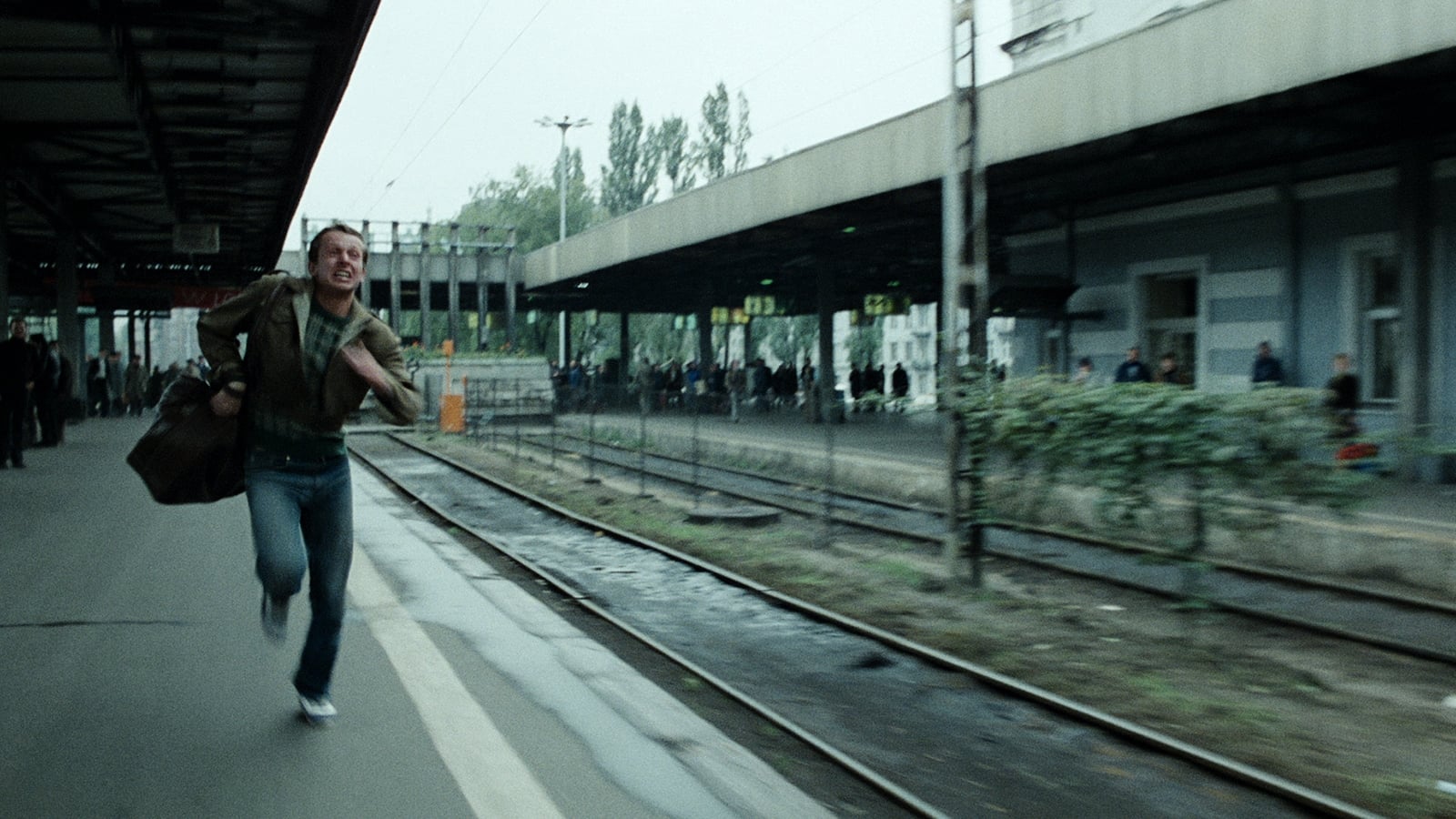
Witek runs after a train. Three variations follow on how such a seemingly banal incident could influence the rest of Witek's life.

Insights

IMDb7.4/10
Director: Krzysztof KieślowskiGenres: Drama, Romance

Plot Summary

The film explores the life of Witek, a young man whose fate diverges dramatically based on a single, split-second event. It presents three distinct parallel narratives: one where he catches the train, leading him to join the Communist Party and a life of privilege; another where he misses the train, leading him to join an anti-communist movement and face persecution; and a third where he misses the train but dedicates his life to an ascetic existence, eventually becoming a priest. Each path reveals different aspects of his personality and the political realities of Poland at the time.

Critical Reception

Blind Chance received critical acclaim for its innovative narrative structure and profound philosophical exploration of determinism versus free will. Critics praised Kieślowski's masterful direction and the lead performance, though some found the film's bleakness challenging. It is considered a significant work in Kieślowski's filmography and a notable piece of Polish cinema.

What Reviewers Say

  • Praised for its ambitious exploration of fate and choice through parallel narratives.

  • The performances, particularly Bogusław Linda's, are highlighted as compelling.

  • Recognized as a profound and thought-provoking philosophical drama.

Google audience: Information on Google user reviews and ratings for Blind Chance is not readily available.

Fun Fact

Krzysztof Kieślowski originally filmed three endings for Blind Chance, but the version released in Poland in 1987 was heavily censored due to the political climate. The full, uncensored version with all three endings was not released until 1989, after the fall of communism in Poland.

AI-generated overview · Verify ratings on official sources

My Review