
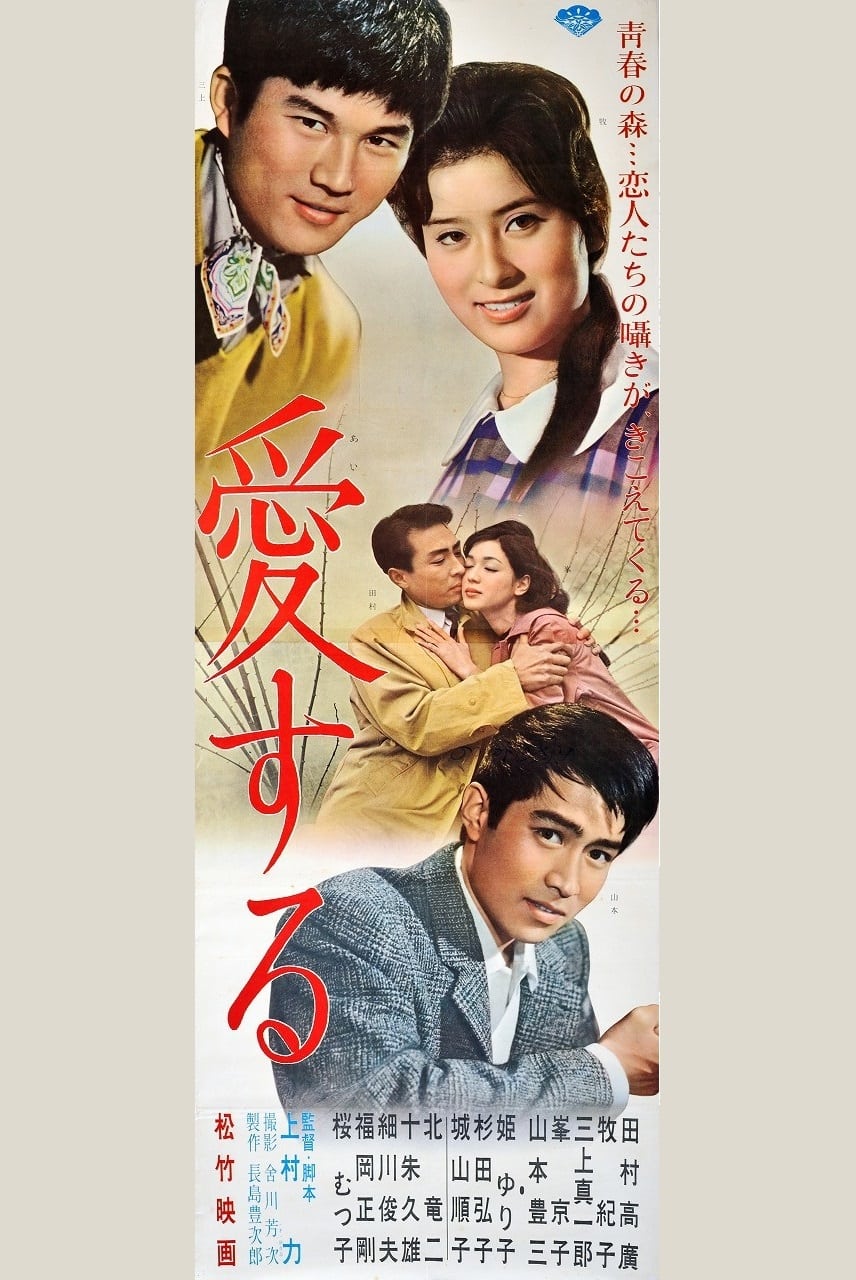
Insights
Plot Summary
A young, impoverished woman named Nobuko struggles to survive in Tokyo after her husband abandons her and their child. Facing societal judgment and economic hardship, she takes on odd jobs, including working at a bar, to make ends meet. Her journey highlights the harsh realities faced by single mothers in post-war Japan.
Critical Reception
Susumu Hani's 'To Love' was noted for its raw and unflinching portrayal of poverty and the plight of women in Japanese society. It was praised for its documentary-like realism and emotional impact, though some found its bleakness overwhelming. It achieved international recognition and brought attention to independent Japanese cinema.
What Reviewers Say
A stark and powerful depiction of a woman's struggle for survival.
Praised for its realistic and compassionate portrayal of poverty.
Considered an important early work of social realism in Japanese cinema.
Google audience: Information on Google user reviews for this specific film is not readily available.
Awards & Accolades
Nominated for the Golden Bear at the 1962 Berlin International Film Festival.
Fun Fact
Director Susumu Hani initially trained as a documentary filmmaker, and this experience heavily influenced the cinéma vérité style seen in 'To Love'.
AI-generated overview · Verify ratings on official sources