Movie spotlight
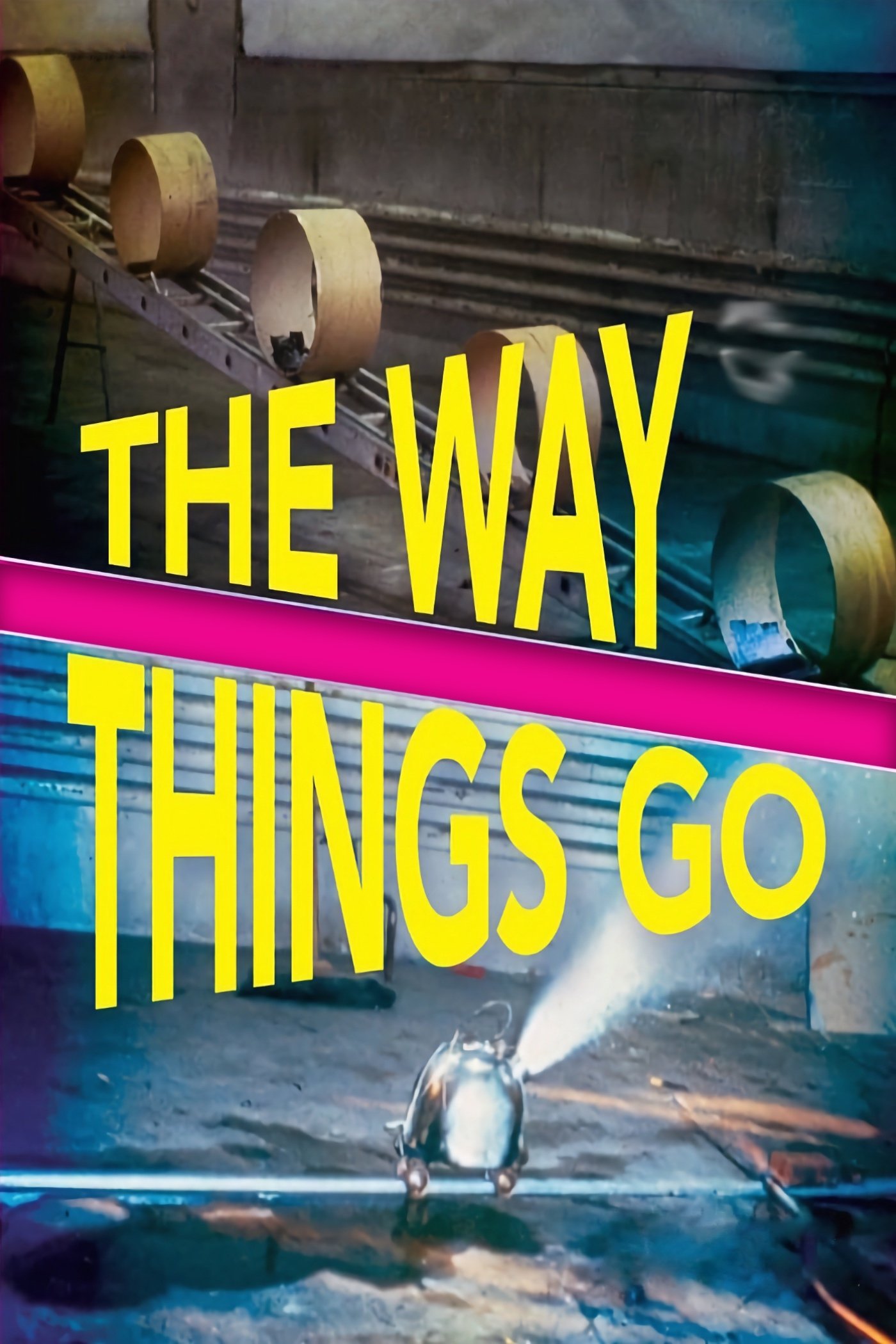
The Way Things Go
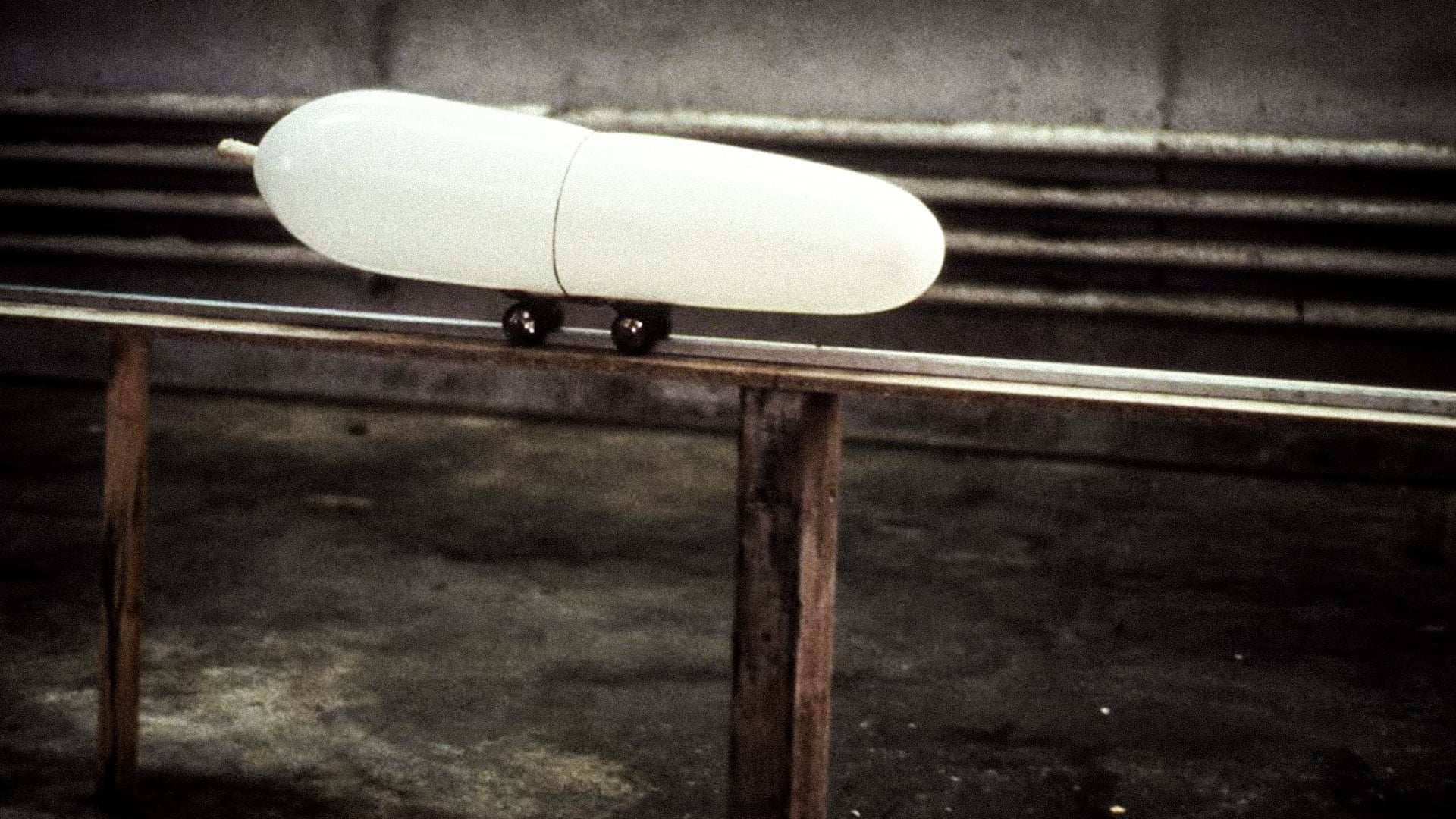
Artists Peter Fischli and David Weiss create the ultimate Rube Goldberg machine. The pair used found objects to construct a complex, interdependent contraption in an empty warehouse. When set in motion, a domino-like chain reaction ripples through the complex of imaginative devices. Fire, water, the laws of gravity, and chemistry determine the life-cycle of the objects. The process reveals a story concerning cause and effect, mechanism and art, and improbability and precision, in an extended science project that will mesmerize the mind.
Insights
Plot Summary
The film documents an elaborate, meticulously planned chain reaction of ordinary objects. Over 75 minutes, viewers witness a series of precisely engineered physical events, from a rolling tire igniting a match to a meticulously balanced structure collapsing. It's a surreal and often humorous exploration of cause and effect, entropy, and the absurdity of complex systems.
Critical Reception
'The Way Things Go' is widely celebrated as a seminal work of conceptual art and experimental film. Critics lauded its ingenuity, technical execution, and philosophical depth, viewing it as a masterful demonstration of physics and a commentary on the interconnectedness of everyday objects. Audiences were captivated by its unique premise and mesmerizing execution.
What Reviewers Say
A mesmerizing and brilliantly orchestrated Rube Goldberg-esque installation.
Explores themes of causality, entropy, and the beauty of everyday objects.
A unique and intellectually stimulating cinematic experience.
Google audience: While specific Google user ratings are not readily available for this art film, general audience reactions often highlight its captivating and hypnotic nature, with many appreciating the sheer ingenuity and the unexpected humor derived from the elaborate chain reactions.
Awards & Accolades
Exhibited widely in museums and galleries worldwide, including the Museum of Modern Art (MoMA) and the Tate Modern. It is considered a landmark piece in contemporary art and experimental cinema.
Fun Fact
The entire chain reaction took 16 days to film, with Fischli and Weiss meticulously setting up and executing each step, often requiring multiple takes to get perfect.
AI-generated overview · Verify ratings on official sources