
Movie spotlight
The Fatal Eggs
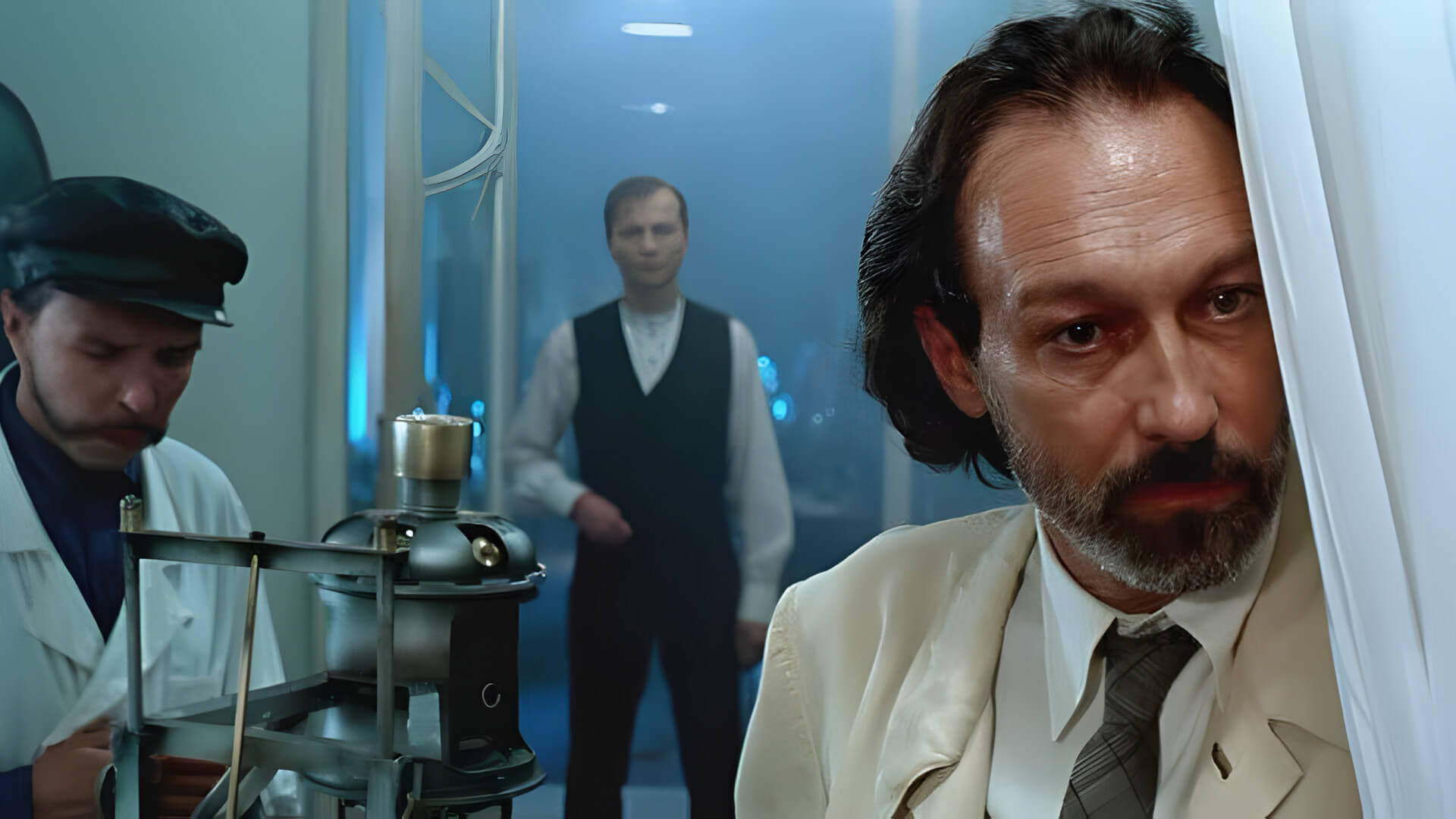
Based on the motifs of M. Bulhakow's story with the same title. The thing about the scientist-zoologist Persikow, whose unique invention makes the rate of formation and development of organisms grow thousands of times. The experiment subjects eggs of the anaconda, which by mistake go to the mad director of the model chicken farm, dealing with rebuilding the hen population in the country. Irradiated reptiles, hatching from eggs, start to devour.
Insights
Plot Summary
In a time of extreme hardship and societal breakdown, a seemingly ordinary chicken farmer stumbles upon a miraculous, rapidly growing breed of chickens. This discovery promises to solve the nation's food crisis, bringing him unexpected fame and fortune. However, the rapid proliferation and voracious appetite of these 'fatal eggs' soon create unforeseen and chaotic consequences, turning a miracle into a potential disaster.
Critical Reception
This Soviet-era satire, released well after its production, was noted for its dark humor and allegorical commentary on political and economic turmoil. While appreciated for its wit and performances, it also faced criticism for its bleak outlook and somewhat convoluted plot.
What Reviewers Say
Praised for its biting satire and relevant social commentary.
Noted for strong performances, particularly from Leonid Yarmolnik.
Some found the narrative to be a bit dense and allegorically heavy.
Google audience: Audience reception is largely based on retrospective viewing, with many appreciating its historical context and dark humor as a reflection of the Soviet era's challenges.
Fun Fact
Although the film's themes strongly reflect the era of Soviet stagnation, 'The Fatal Eggs' was only released in 1995, long after its initial production, due to censorship issues.
AI-generated overview · Verify ratings on official sources