
tmdb91242875
A serious role for Pryor with a good cast and a message that should hit home for any ordinary working man. Well worth the watch.

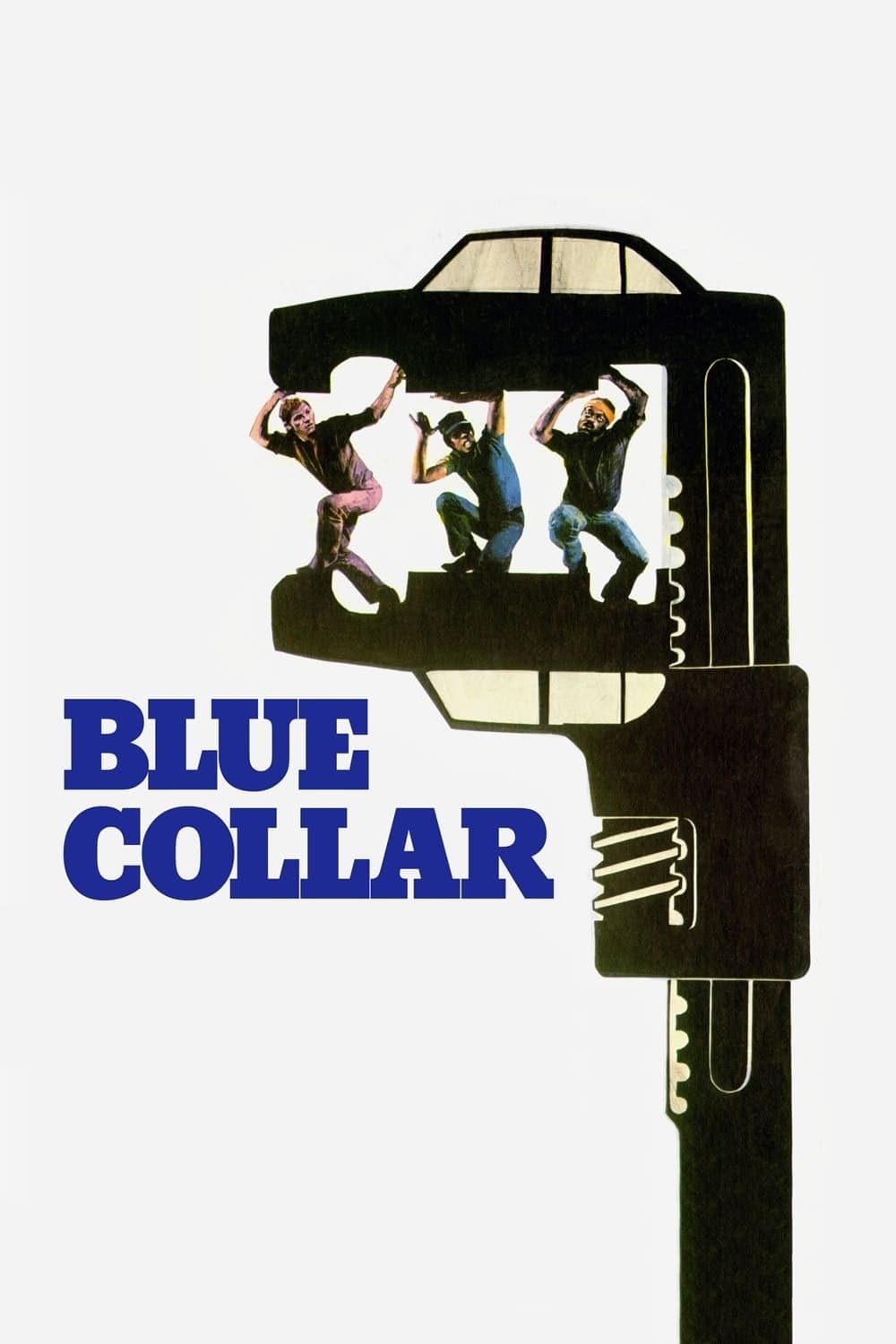
Movie spotlight
Fed up with mistreatment at the hands of both management and union brass, and coupled with financial hardships on each man's end, three auto assembly line workers hatch a plan to rob a safe at union headquarters.
Three friends working in a Detroit auto plant are pushed to their breaking point by economic hardship and unfair labor practices. Desperate for money, they conspire to rob their own union local. Their ill-conceived plan quickly spirals out of control, exposing the harsh realities of working-class life and the corrupt systems that exploit it.
Paul Schrader's directorial debut 'Blue Collar' was a gritty and unflinching portrayal of working-class struggles that garnered significant attention for its raw honesty and stellar performances, particularly from its lead trio. While some critics found its tone uneven, the film was widely praised for its social commentary and authentic depiction of blue-collar life.
Praised for its raw and realistic depiction of working-class life.
Lauded for the strong performances of Pryor, Keitel, and Kotto.
Noted for its sharp social commentary on labor unions and economic inequality.
Google audience: Audience reviews highlight the film's authentic portrayal of the struggles faced by blue-collar workers and commend the compelling performances. Many appreciate its gritty realism and social relevance, although some found the narrative a bit bleak.
Richard Pryor, known for his stand-up comedy, took a significant dramatic turn in this film, showcasing his range as an actor.
AI-generated overview · Verify ratings on official sources
A serious role for Pryor with a good cast and a message that should hit home for any ordinary working man. Well worth the watch.