Movie spotlight
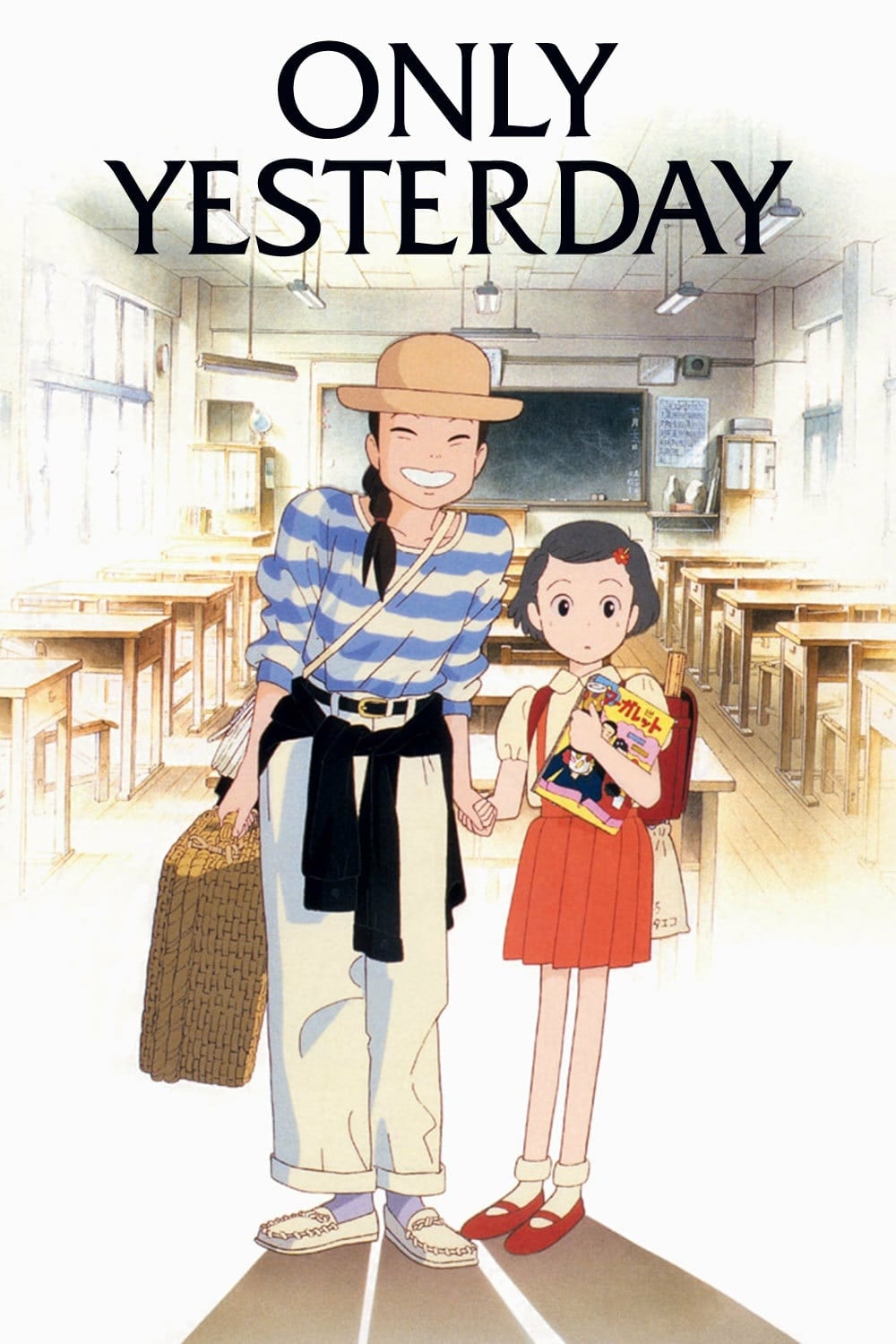
Only Yesterday
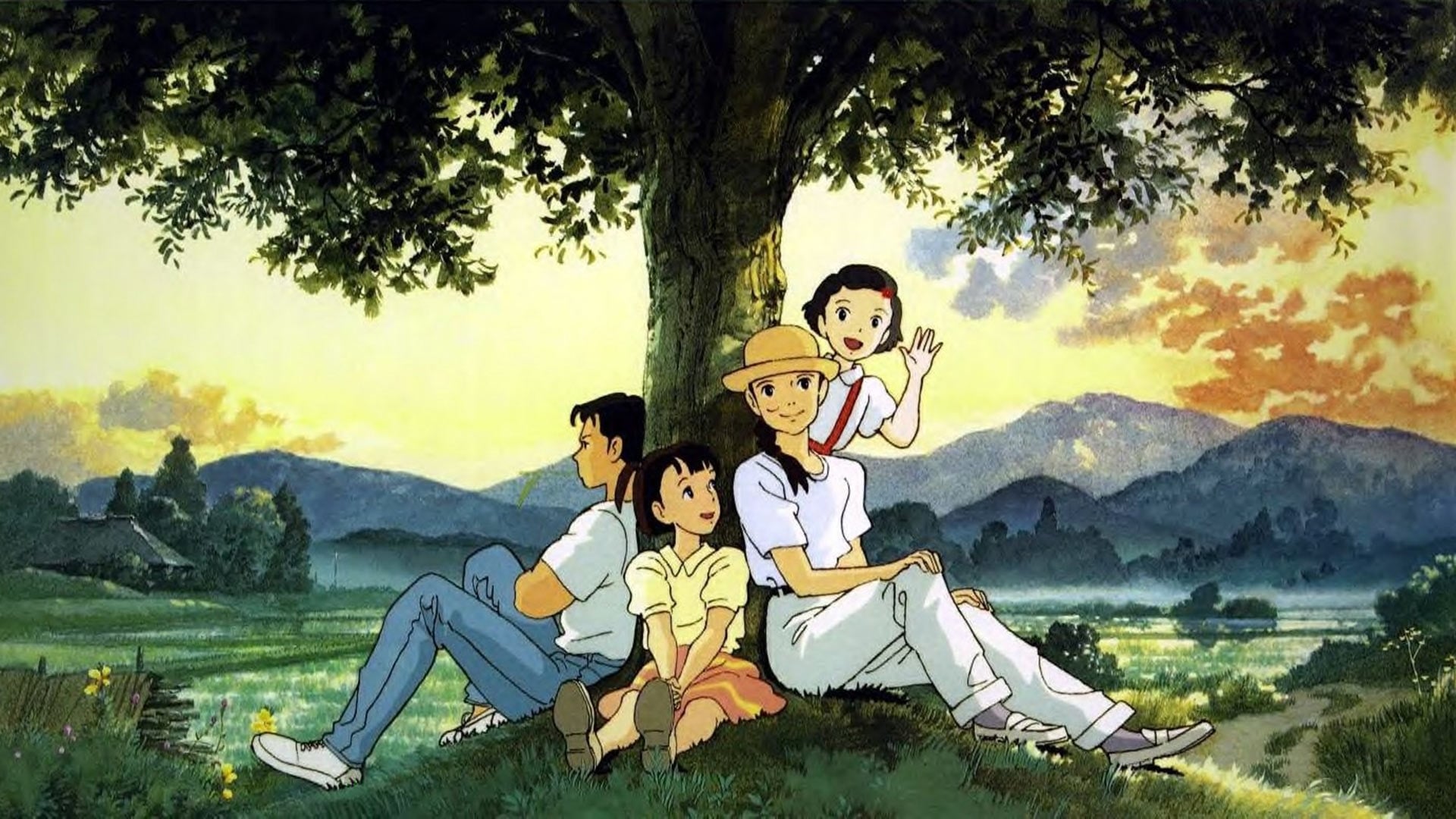
In lyrical switches between the present and the past, Taeko contemplates the arc of her life, and wonders if she has been true to the dreams of her childhood self.
Insights
Plot Summary
A 27-year-old woman named Taeko vacates her city life to visit her sister's family in the countryside. While there, she reflects on her childhood and the choices that led her to her current life. The film explores themes of memory, nostalgia, and the bittersweet realization of growing up. Taeko's journey is one of self-discovery as she grapples with her past and contemplates her future.
Critical Reception
Only Yesterday was met with widespread critical acclaim, praised for its mature storytelling, beautiful animation, and poignant exploration of nostalgia and personal growth. It is often considered a masterpiece of Studio Ghibli and a significant work in the coming-of-age genre.
What Reviewers Say
Praised for its mature and resonant exploration of memory and self-discovery.
Commended for its stunning visual artistry and evocative portrayal of rural life.
Appreciated for its subtle, character-driven narrative that resonates with adult audiences.
Google audience: Google users consistently praise 'Only Yesterday' for its beautiful animation and deeply emotional story. Many reviewers highlight its ability to evoke nostalgia and provide a touching reflection on childhood and adulthood. The film is often cited as a unique and moving experience that stays with viewers long after watching.
Fun Fact
The film's production spanned over three years, longer than most Studio Ghibli films, due to Isao Takahata's meticulous attention to detail and the innovative rotoscoping techniques used to create fluid, realistic character movements.
AI-generated overview · Verify ratings on official sources