

Pet Sematary
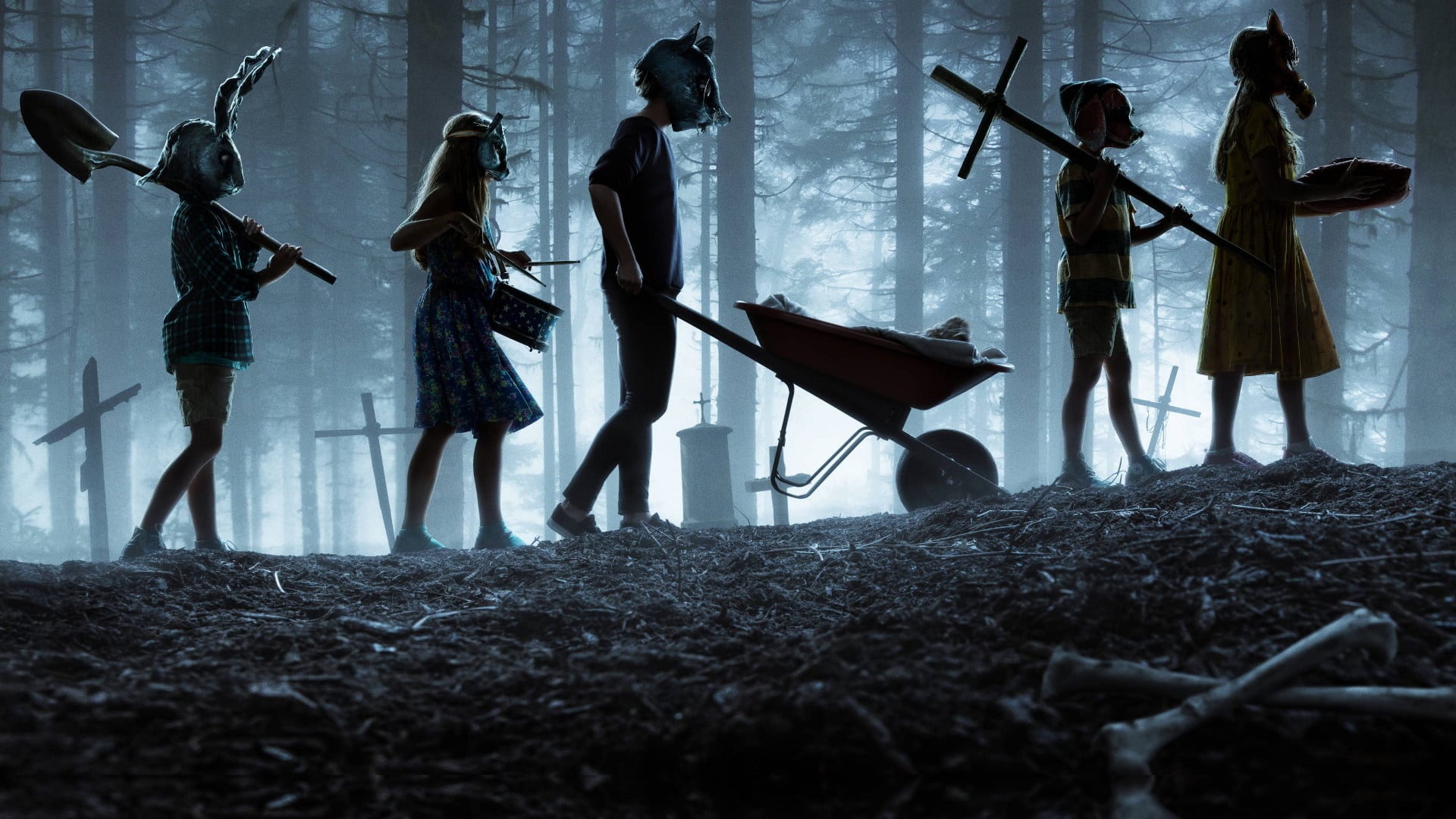
Dr. Louis Creed and his wife, Rachel, move from Boston to Ludlow, in rural Maine, with their two young children. Hidden in the woods near the new family home, Ellie, their eldest daughter, discovers a mysterious cemetery where the pets of community members are buried.
Insights
Plot Summary
When doctor Louis Creed moves his family to the country, they soon discover a mysterious burial ground deep in the woods behind their new home. After a tragic accident, Louis learns that death is not the end, as he turns to his neighbor for help burying his cat, leading to a chain of events that unleashes an unspeakable evil.
Critical Reception
The 2019 adaptation of Stephen King's 'Pet Sematary' received mixed reviews from critics. While some praised its atmospheric tension and commitment to horror tropes, many found it failed to capture the existential dread and psychological depth of the novel or the original 1989 film. Audience reactions were similarly divided, with some appreciating the modern take and scares, while others felt it lacked originality and the impactful emotional resonance of its predecessors.
What Reviewers Say
- Praised for its creepy atmosphere and effective jump scares.
- Criticized for deviating from the source material in ways that lessened its impact.
- Some found the ending to be a significant departure that didn't fully satisfy.
Google audience: Google users generally found the film to be a decent horror entry with some scary moments, but many felt it was not as impactful or memorable as other Stephen King adaptations or the original 'Pet Sematary' film. Some viewers appreciated the attempts at modernization and suspense, while others were disappointed by plot changes and a perceived lack of emotional weight.
Fun Fact
The filmmakers intentionally changed the ending from Stephen King's novel and the 1989 film to create a more shocking conclusion and leave audiences with a sense of dread.
AI-generated overview · Verify ratings on official sources
My Review
TMDB Reviews
4 reviews

John Chard

Stephen Campbell
