Movie spotlight
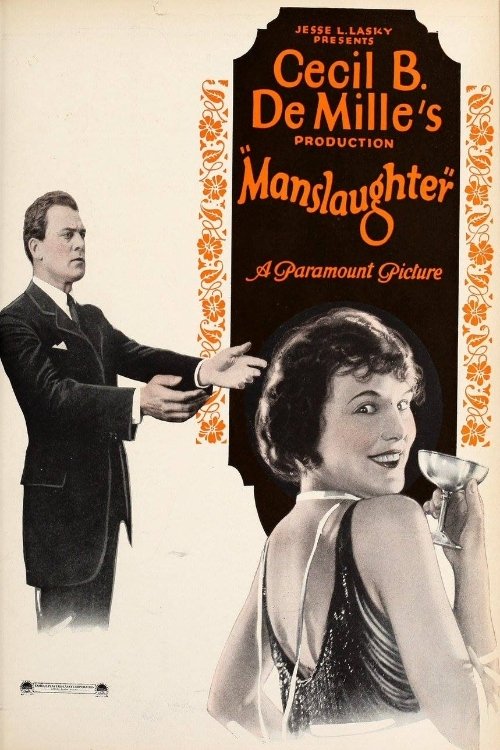
Manslaughter
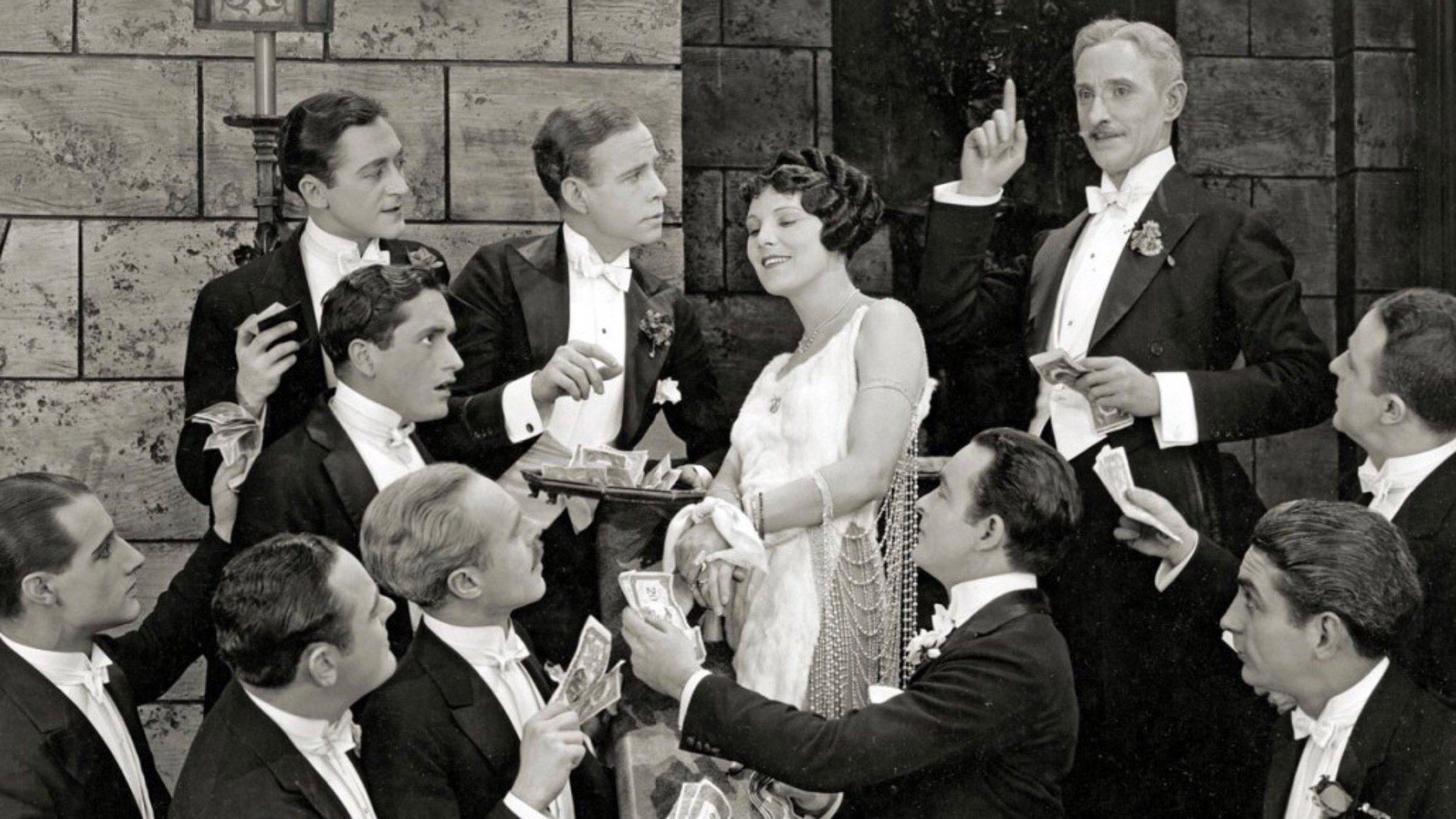
Society-girl thrillseeker Lydia's fun comes to an end when she accidentally causes the death of motorcycle policeman.
Insights
Plot Summary
Lydia Thorne, a wealthy young socialite, lives a life of privilege and irresponsibility. After a drunken joyride ends in the death of a young boy, she is put on trial for manslaughter. Despite her family's attempts to influence the case, Lydia faces the harsh realities of the justice system, leading to a profound transformation.
Critical Reception
As a silent film from 1922, contemporary critical reception is difficult to ascertain with modern metrics. However, 'Manslaughter' was a significant box office success and is noted for its progressive themes and cinematic techniques for its era, addressing social issues such as class disparity and the legal system's treatment of the wealthy.
What Reviewers Say
Praised for its dramatic narrative and exploration of societal issues.
Noted for its early cinematic techniques and powerful performances.
A significant success that resonated with audiences of its time.
Google audience: As a silent film from 1922, specific Google user reviews are not available. However, its historical context suggests it was a compelling and socially relevant film that captured the attention of its contemporary audience.
Fun Fact
Manslaughter was one of Cecil B. DeMille's early successes, and it was noted for its then-modern approach to filmmaking and its engagement with contemporary social issues, which was somewhat rare for mainstream films of the period.
AI-generated overview · Verify ratings on official sources