
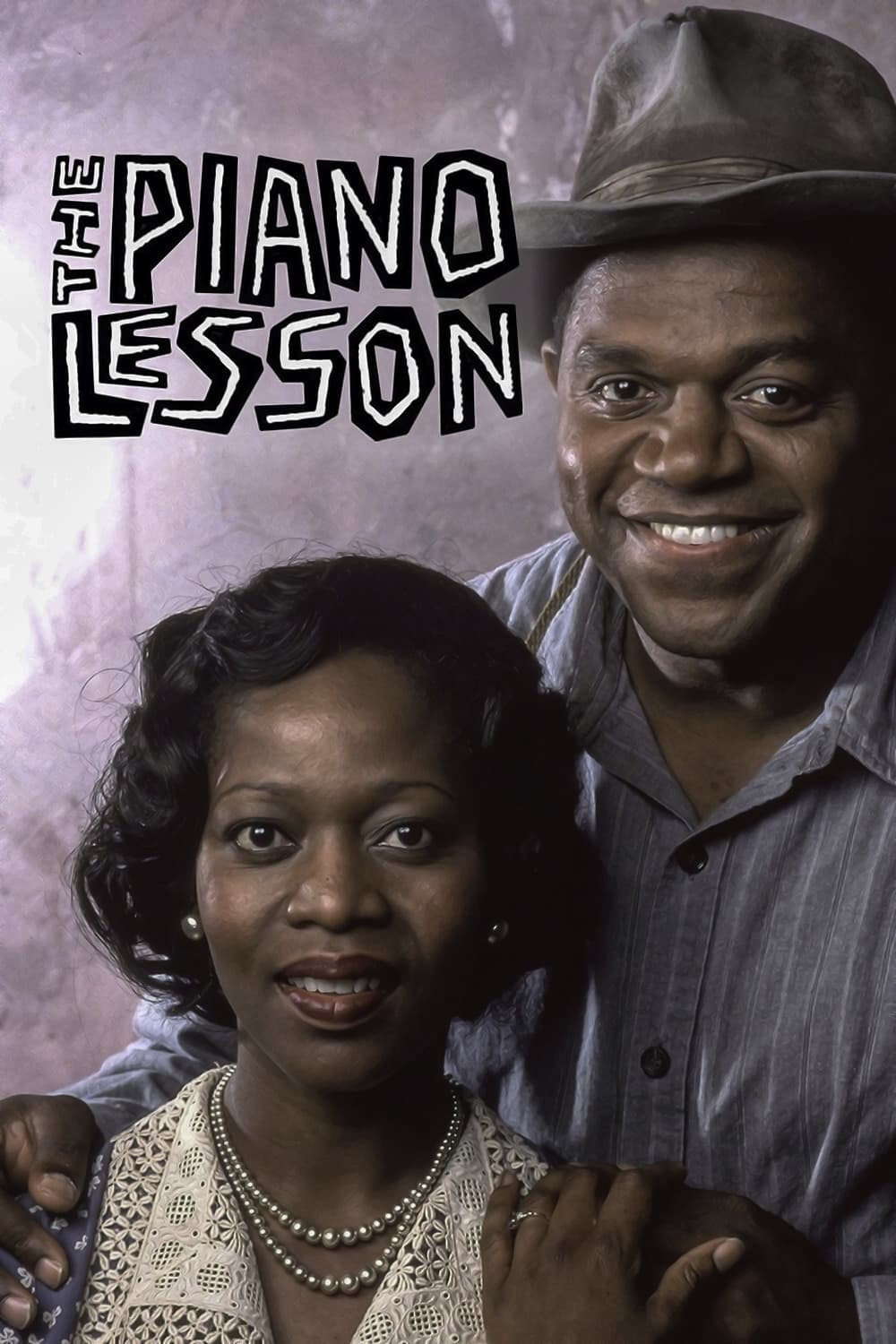

Movie spotlight
The Piano Lesson
1930's Pittsburgh, a brother comes home to claim "my half of the piano", a family heirloom; but his sister is not wanting to part with it. This is a glimpse of the conditions for African-Americans as well as some of the attitudes and influences on their lives. But whether he is able to sell the piano so that he can get enough money to buy some property and "no longer have to work for someone else" involves the story (or lesson) that the piano has to show him.
Insights
Plot Summary
In 1936 Mississippi, the Dubois family grapples with their legacy and future, centered around a prized piano adorned with carved-in family history. Berniece is fiercely protective of the piano, an heirloom tied to their ancestors' struggles and triumphs. Her brother Boy Willie arrives from Pittsburgh, determined to sell the piano to buy the land their ancestors worked as slaves, setting the stage for a profound conflict over tradition, family, and emancipation.
Critical Reception
The Piano Lesson received a generally positive reception from critics, who praised its powerful performances, evocative storytelling, and the poignant exploration of African American history and identity. While some found the pacing deliberate, the film was widely recognized for its emotional depth and faithfulness to August Wilson's acclaimed play.
What Reviewers Say
Praised for its strong ensemble cast and emotionally resonant performances.
Applauded for its faithful adaptation of August Wilson's seminal play.
Noted for its compelling themes of heritage, family, and the enduring impact of slavery.
Google audience: Information not readily available for Google user reviews from 1995.
Fun Fact
The film is an adaptation of August Wilson's 1990 Pulitzer Prize-winning play of the same name, which is part of his ten-play Pittsburgh Cycle.
AI-generated overview · Verify ratings on official sources