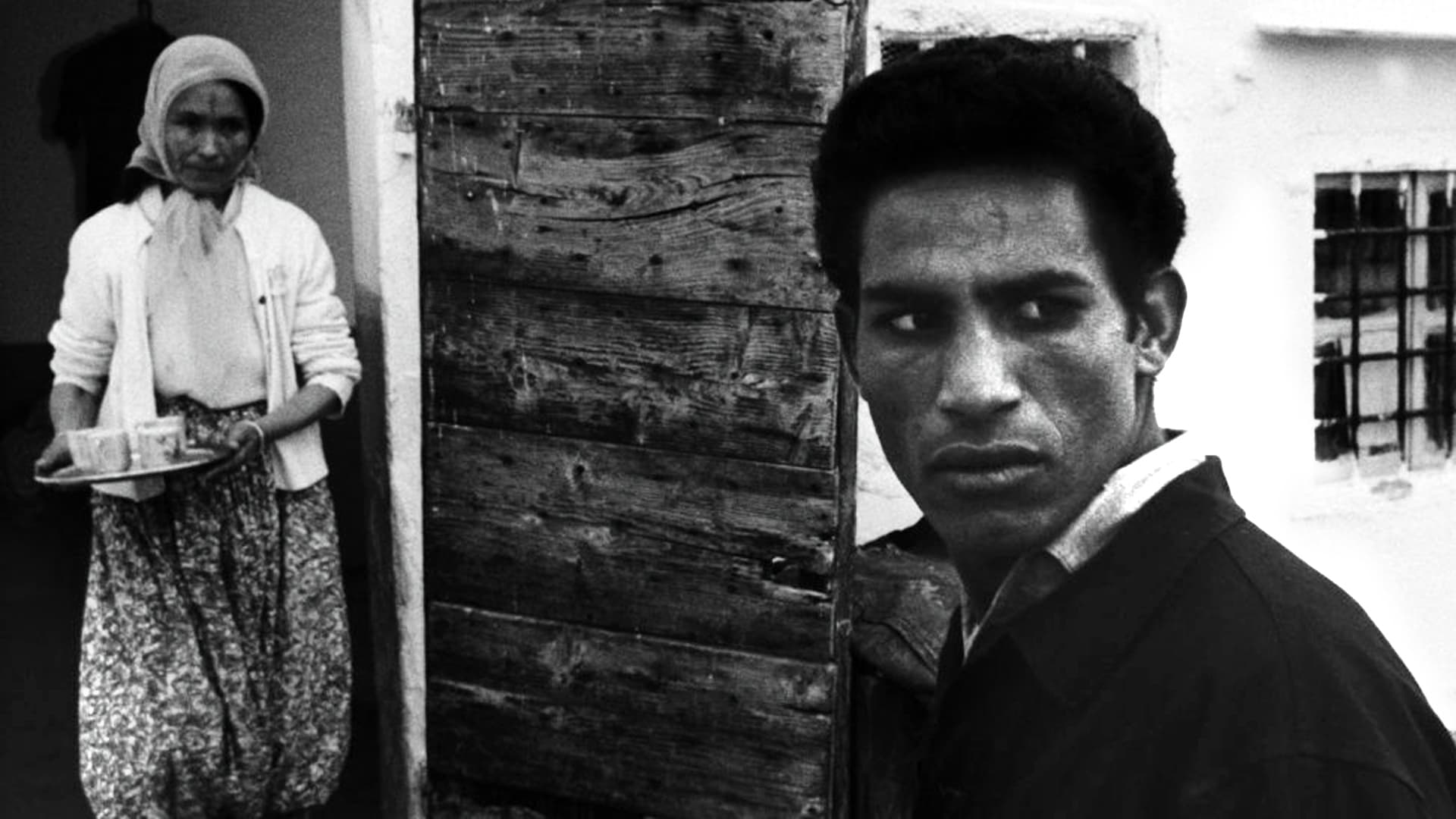
The Battle of Algiers

Movie spotlight

The Battle of Algiers

1966
Movie
122 min
Italian

Paratrooper commander Colonel Mathieu, a former French Resistance fighter during World War II, is sent to Algeria to reinforce efforts to squelch the uprisings of the Algerian War. There he faces Ali la Pointe, a former petty criminal who, as the leader of the Algerian Front de Liberation Nationale, directs terror strategies against the colonial French government occupation. As each side resorts to ever-increasing brutality, no violent act is too unthinkable.

Insights

IMDb8.1/10
Rotten Tomatoes98%
Metacritic94
Google Users92%
Director: Gillo PontecorvoGenres: War, Drama, History

Plot Summary

This gripping docudrama chronicles the urban guerrilla warfare waged by the FLN against French colonial rule in Algiers during the 1950s. It meticulously details the FLN's strategy of terror and sabotage, and the French military's brutal counter-insurgency tactics. The film captures the escalating cycle of violence and the profound impact on both the Algerian revolutionaries and the French paratroopers.

Critical Reception

The Battle of Algiers is widely hailed as a masterpiece of political cinema, praised for its raw realism, urgent tone, and objective portrayal of a complex conflict. It was lauded for its innovative use of black-and-white cinematography, its documentary-like feel, and its powerful anti-colonial message, earning critical acclaim both during its initial release and in retrospectives.

What Reviewers Say

  • A seminal work of political cinema lauded for its unflinching realism and powerful anti-colonial stance.

  • Praised for its documentary-style immediacy and its balanced, yet impactful, depiction of urban warfare.

  • Considered a masterclass in filmmaking technique, particularly its cinematography and narrative structure.

Google audience: Audiences deeply appreciate the film's historical significance and its powerful, often harrowing, depiction of the struggle for independence. Many find its realistic portrayal and objective approach to be incredibly effective and thought-provoking.

Awards & Accolades

Nominated for the Golden Lion at the Venice Film Festival (1966), and received Academy Award nominations for Best Foreign Language Film and Best Director (1967).

Fun Fact

The film was shot in black and white by cinematographer Marcello Gatti, utilizing a handheld camera and natural light to achieve a gritty, newsreel-like authenticity, making it appear as if it were a documentary.

AI-generated overview · Verify ratings on official sources

My Review

TMDB Reviews

1 reviews
CinemaSerf

CinemaSerf

It's the mid 1950s and the population of Algeria are increasingly determined to break free from the colonial administration of France. From one perspective it's a fight for freedom, from the other a response to dangerous insurrectionism. Wh...