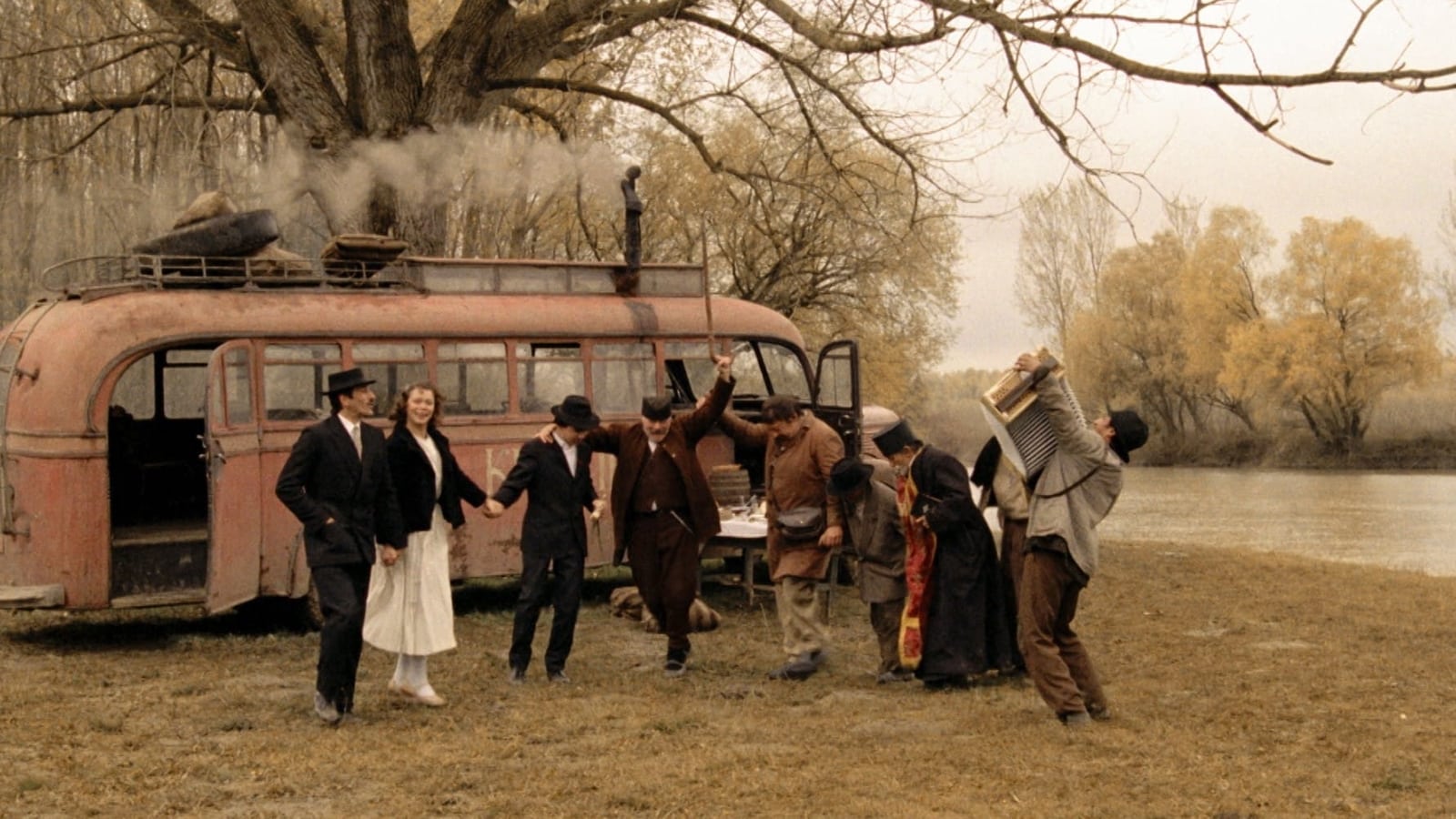
On Saturday, 5 April 1941, one day before the Invasion of Yugoslavia of the Kingdom of Yugoslavia, a colourful group of random passengers on a country road deep in the heart of Serbia board a dilapidated bus, headed for the capital Belgrade. The group includes two gypsy musicians, a World War I veteran, a Germanophile, a budding singer, a sickly looking man, and a hunter with a shotgun. The bus is owned by Krstic senior, and driven by his impressionable and dim-witted son Misko.
The film tells the story of a secular Israeli man who is forced to confront his religious heritage when he is diagnosed with a terminal illness. He embarks on a journey to reconnect with his roots and find meaning in his final days, leading to a poignant exploration of faith, family, and identity.
Critical Reception
Critically acclaimed for its sensitive portrayal of complex themes and its blend of humor and drama. It resonated with audiences for its authentic depiction of Israeli society and its universal message about life and death.
What Reviewers Say
Praised for its emotional depth and thought-provoking narrative.
Noted for its strong performances, particularly from the lead actor.
Appreciated for its ability to balance humor with serious subject matter.
Google audience: Audience reception information is not readily available.
Awards & Accolades
Won the Silver Bear for Outstanding Artistic Contribution at the 1980 Berlin International Film Festival.
Fun Fact
The film was originally titled 'The Last Winter' before being changed to 'Who's Singin' Over There?'
AI-generated overview · Verify ratings on official sources
My Review
TMDB Reviews
2 reviews
CRCulver
<i>Ko to tamo peva?</i> is one of Yugoslavia's film classics. It was shot and released in 1980, but it looks back to a tragic era in the country's history: the opening titles announce that what we will see takes place on 5 April 1941, a dat...
dotokija
An old bus, owned by "Krstic & son" is heading from unnamed province to the capital Belgrade, just one day before Nazis attacked Yugoslavia in april 1941.
The writer Dusan Kovacevic stated that this story was inspired by true events and r...