Movie spotlight
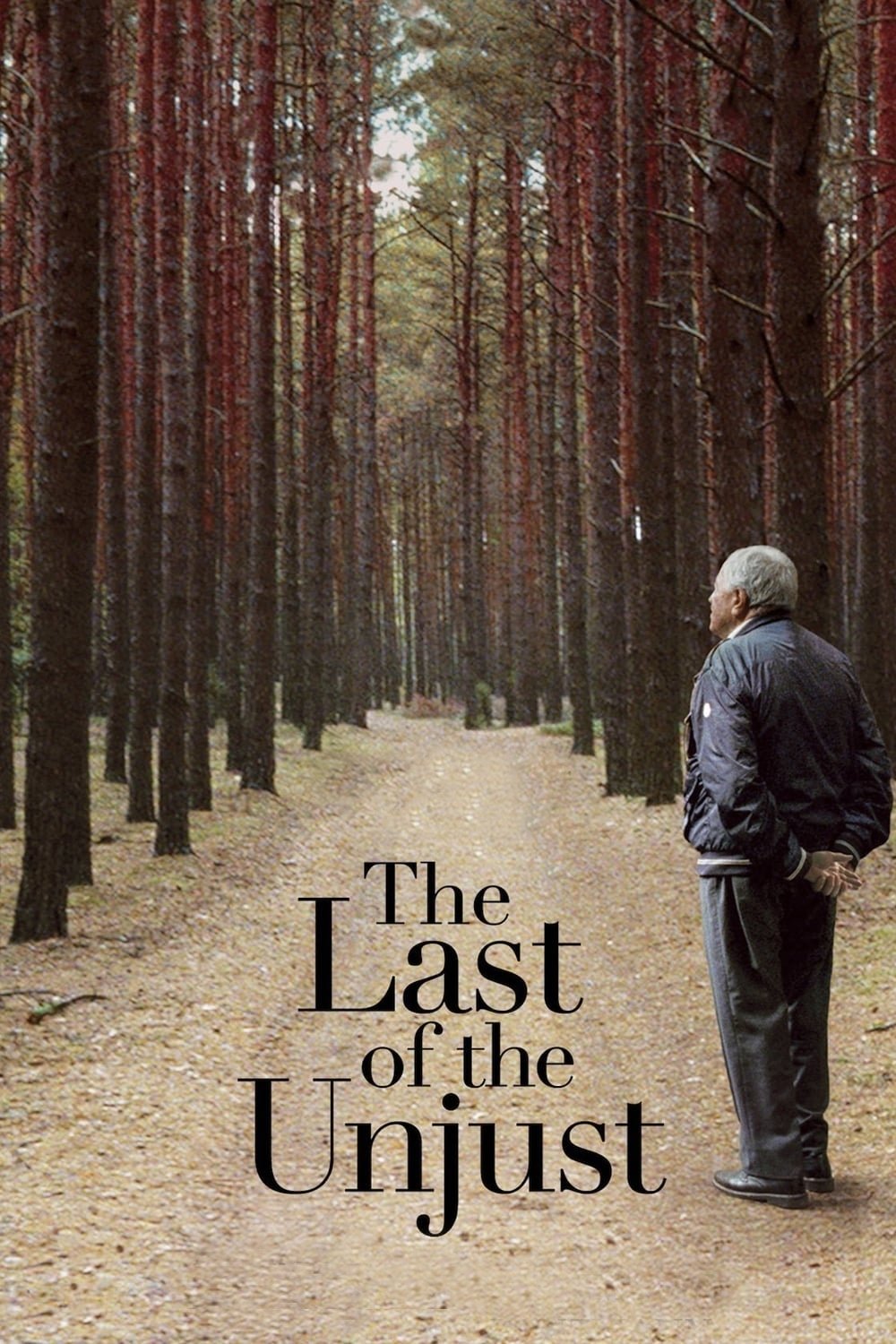
The Last of the Unjust
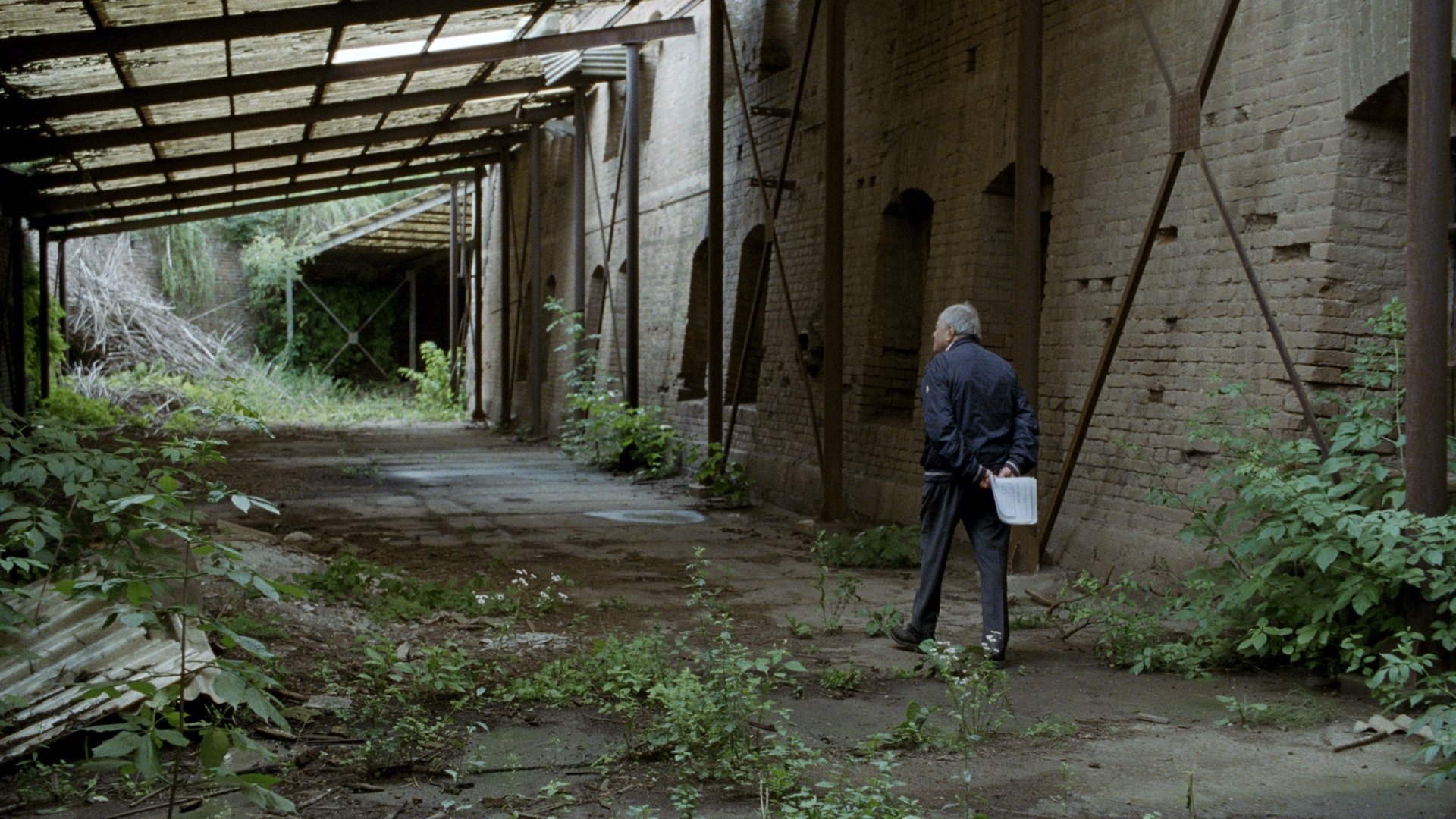
A place: Theresienstadt. A unique place of propaganda which Adolf Eichmann called the "model ghetto", designed to mislead the world and Jewish people regarding its real nature, to be the last step before the gas chamber. A man: Benjamin Murmelstein, last president of the Theresienstadt Jewish Council, a fallen hero condemned to exile, who was forced to negotiate day after day from 1938 until the end of the war with Eichmann, to whose trial Murmelstein wasn't even called to testify. Even though he was without a doubt the one who knew the Nazi executioner best. More than twenty-five years after Shoah, Claude Lanzmann's new film reveals a little-known yet fundamental aspect of the Holocaust, and sheds light on the origins of the "Final Solution" like never before.
Insights
Plot Summary
Claude Lanzmann's documentary "The Last of the Unjust" focuses on the testimony of Benjamin Murmelstein, the last president of the Jewish Council of Elders in the Theresienstadt ghetto. Through extensive interviews, Lanzmann explores Murmelstein's complex and controversial role during the Holocaust. The film delves into the moral ambiguities and difficult choices faced by those in positions of authority within the ghettos, posing profound questions about survival and complicity.
Critical Reception
The film received widespread critical acclaim for its powerful and unflinching examination of Holocaust history through a deeply personal testimony. Critics lauded Lanzmann's directorial skill in eliciting a complex and often agonizing account from Murmelstein, acknowledging the film's significant contribution to Holocaust documentation and discourse. While some discussed the controversial nature of Murmelstein's role, the overall reception highlighted the film's intellectual depth and emotional impact.
What Reviewers Say
A profoundly moving and intellectually rigorous exploration of the Holocaust, centering on a controversial but compelling witness.
Lanzmann masterfully uses interviews to dissect the moral complexities of survival and leadership during unimaginable atrocities.
The film is a vital, albeit harrowing, addition to Holocaust studies, forcing viewers to confront difficult truths.
Google audience: Audiences praised the film for its historical significance and the powerful testimony of Benjamin Murmelstein. Many found the documentary thought-provoking and essential viewing for understanding the complexities of the Holocaust, despite its challenging subject matter.
Awards & Accolades
Nominated for the César Award for Best Documentary Film.
Fun Fact
Claude Lanzmann spent over 150 hours interviewing Benjamin Murmelstein for this film, a testament to the depth of the exploration.
AI-generated overview · Verify ratings on official sources