Movie spotlight
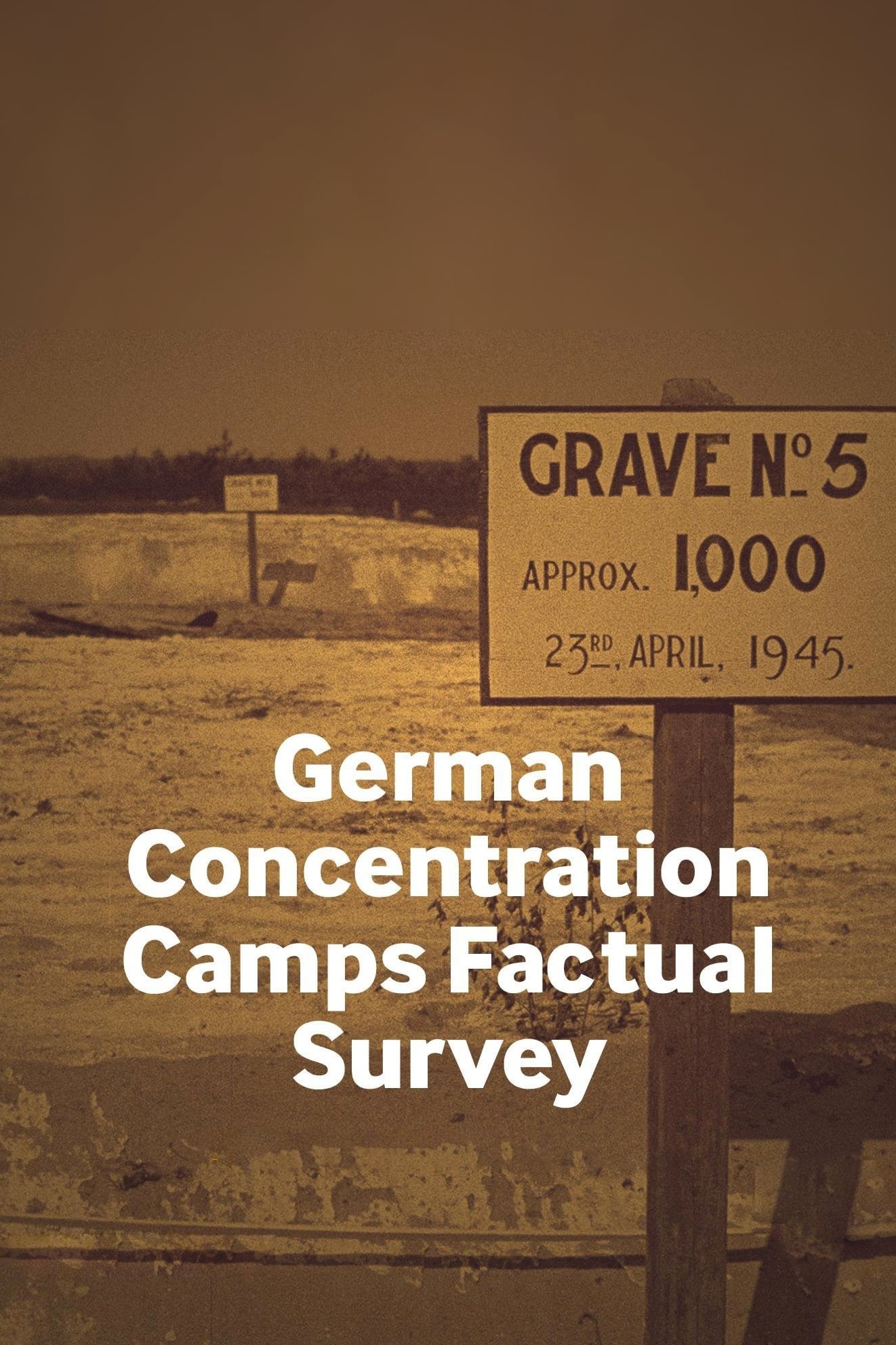
German Concentration Camps Factual Survey
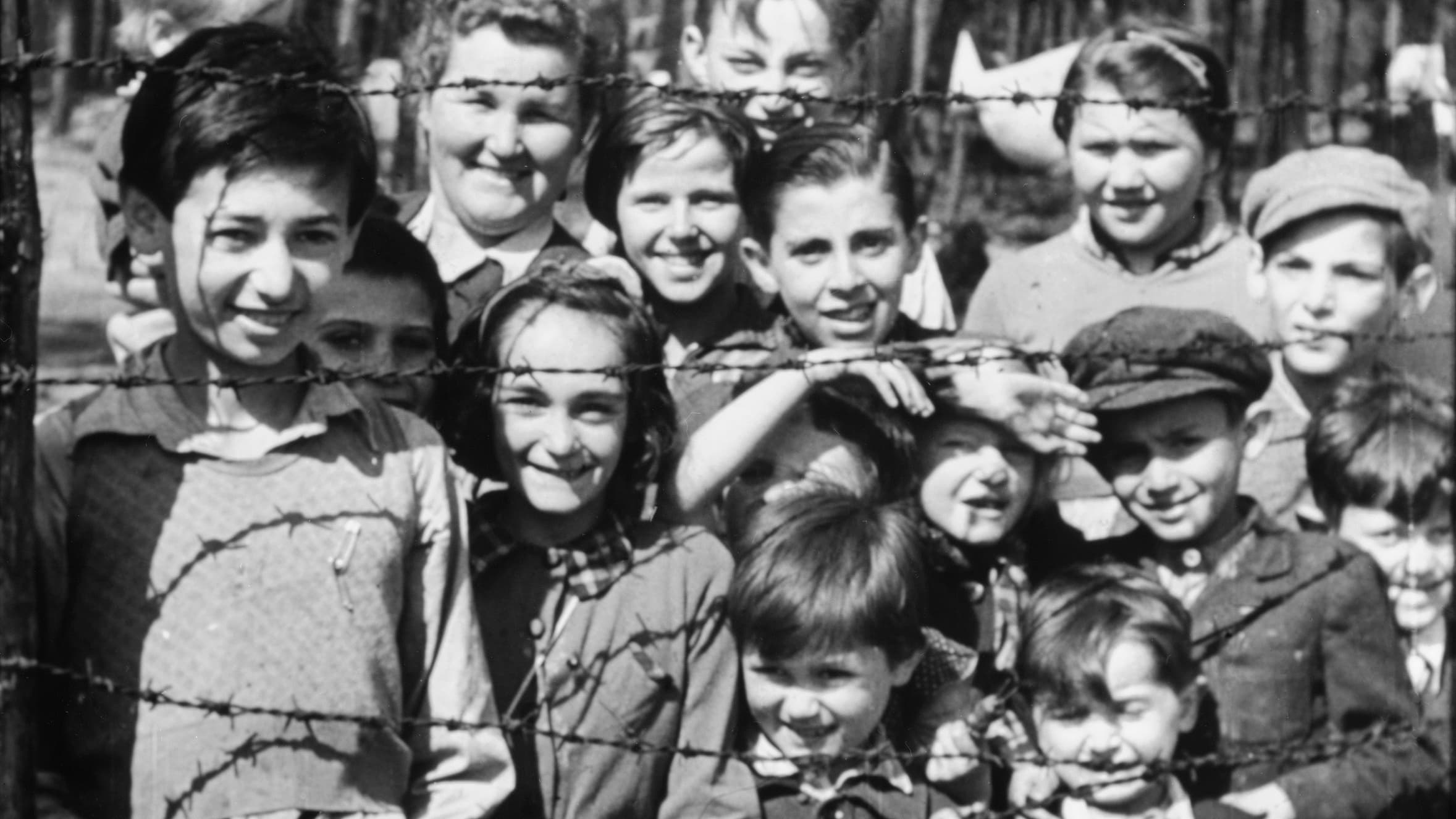
On the 29th September 1945, the incomplete rough cut of a brilliant documentary about concentration camps was viewed at the MOI in London. For five months, Sidney Bernstein had led a small team – which included Stewart McAllister, Richard Crossman and Alfred Hitchcock – to complete the film from hours of shocking footage. Unfortunately, this ambitious Allied project to create a feature-length visual report that would damn the Nazi regime and shame the German people into acceptance of Allied occupation had missed its moment. Even in its incomplete form (available since 1984) the film was immensely powerful, generating an awed hush among audiences. But now, complete to six reels, this faithfully restored and definitive version produced by IWM, is being compared with Alain Resnais’ Night and Fog (1955).
Insights
Plot Summary
This powerful documentary, initially intended for German audiences, presents harrowing footage of Nazi concentration camps discovered by Allied forces at the end of World War II. It meticulously details the atrocities, the systematic dehumanization of prisoners, and the horrific conditions within the camps, serving as undeniable evidence of the Holocaust.
Critical Reception
The film was groundbreaking for its time, offering unflinching and irrefutable proof of the Nazi regime's crimes against humanity. While its initial release was delayed, its subsequent screenings have been hailed for their historical significance and emotional impact, making it a crucial educational tool.
What Reviewers Say
A vital and disturbing historical document.
Essential viewing for understanding the full scope of the Holocaust.
Unflinching and impactful presentation of undeniable evidence.
Google audience: Audiences consistently praise the film's historical importance and its stark portrayal of the atrocities committed during the Holocaust. It is viewed as a crucial piece of evidence and a necessary reminder of humanity's darkest moments.
Awards & Accolades
While not a typical award-winning film due to its nature and initial limited release, it is recognized as a significant historical document and has been studied extensively.
Fun Fact
The film was compiled by the British Army's Psychological Warfare Division and was intended to be shown to the German population to force them to confront the reality of the camps. Alfred Hitchcock was involved in the editing process.
AI-generated overview · Verify ratings on official sources