
Movie spotlight
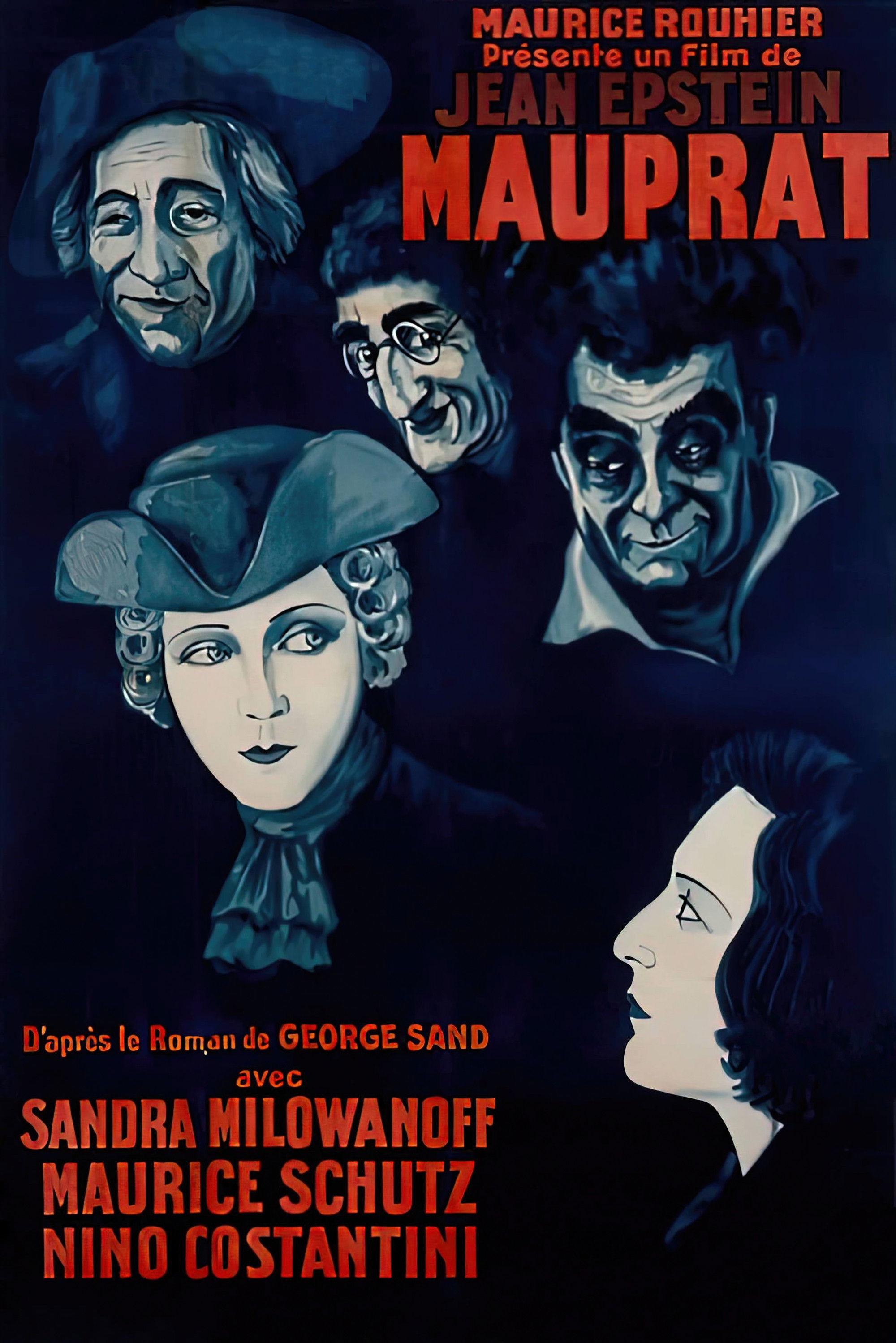
Mauprat
Romantic novelist George Sand's Mauprat as adapted by cinema visionary Jean Epstein. As a child, orphan Bernard de Mauprat was adopted by Tristan, a brigand who brought him up with his biological sons to hate, kill and pillage. Hubert de Mauprat, the elder brother of Tristan, the very incarnation of nobility, and his daughter, the beautiful and intrepid Edmée, undertake to tear wild-eyed Bernard away from his uncle. Still uncouth and rough, Bernard endeavors to wrest the love of Edmée away from her betrothed.
Insights
Plot Summary
Based on George Sand's novel, the story follows the education and moral development of Mauprat, a young man raised in a rough, uncultured environment. He is sent to live with his more refined uncle, where he undergoes a transformation, learning about love, literature, and proper conduct. The film explores themes of societal influence and personal growth.
Critical Reception
As an early silent film, 'Mauprat' is often cited for its artistic merit and its successful adaptation of a classic French novel to the screen. While specific critical reviews from its initial release are scarce, its preservation and study by film historians indicate its significance in the context of French cinema of the 1920s, particularly within the avant-garde movement.
What Reviewers Say
Praised for its faithful adaptation of George Sand's literary work.
Appreciated for its visual style and atmospheric direction typical of Jean Epstein's oeuvre.
Considered a significant example of French silent cinema's artistic ambitions.
Google audience: Information regarding specific Google user reviews for this historical silent film is not readily available.
Fun Fact
Jean Epstein, the director, was a pioneer of French avant-garde cinema and a key figure in the impressionist movement, known for his experimental techniques and focus on subjective experience.
AI-generated overview · Verify ratings on official sources