
They Don't Wear Black Tie
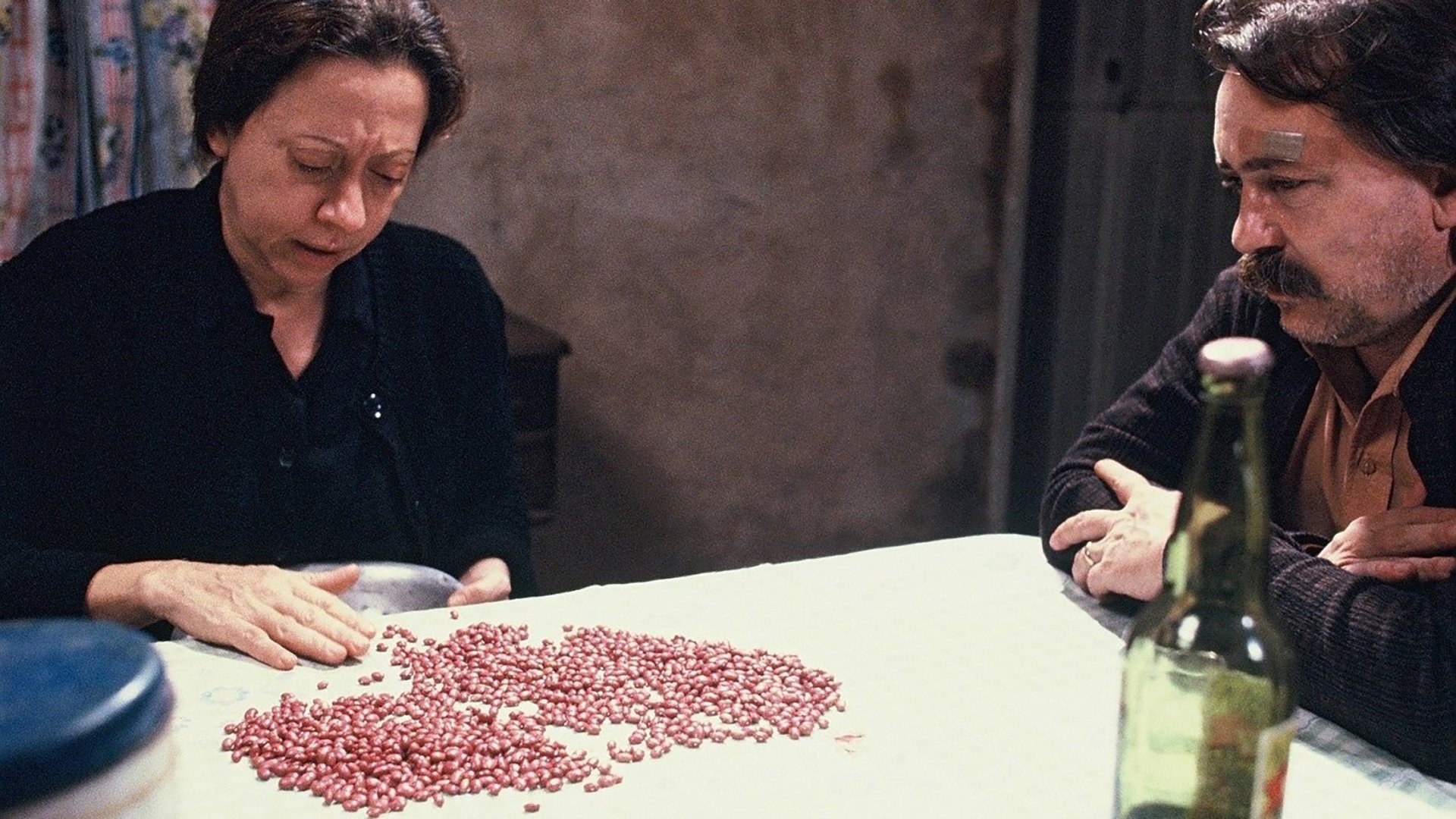
Otavio is an idealistic union leader trying to organize workers at a factory to resist the company's exploitative practices. His son, Tião, one of the employees, is more of a realist and doesn't want to risk losing his job by striking. This clash of perspectives puts the father and son at odds. Fortunately, Tião's mother, Romana, is on hand to act as a moderator between the two opinionated men.
Insights
Plot Summary
Set during Brazil's military dictatorship, the film follows the struggles of a group of metalworkers as they organize a strike for better working conditions. The story centers on a father and son whose differing ideologies and approaches to activism create tension within their family and the labor movement. It explores themes of political repression, class struggle, and the courage of ordinary people fighting for their rights.
Critical Reception
"Eles Não Usam Black-Tie" was critically acclaimed for its powerful portrayal of labor activism under a repressive regime. It was praised for its realistic depiction of working-class life and its compelling performances, particularly from Gianfrancesco Guarnieri and Fernanda Montenegro. The film is considered a significant work of Brazilian cinema, offering a potent social and political commentary.
What Reviewers Say
- Praised for its authentic and compelling depiction of worker solidarity.
- Lauded for its strong performances and powerful social commentary.
- Considered a landmark film in Brazilian political cinema.
Google audience: Audience reception information for this specific title on Google is not readily available.
Awards & Accolades
Won the OCIC Award at the Venice Film Festival (1981), and the Golden Spike at the Valladolid International Film Festival (1982).
Fun Fact
The film is based on a play of the same name by Gianfrancesco Guarnieri, who also stars as the father in the movie and adapted the screenplay.
AI-generated overview · Verify ratings on official sources