Late Spring
Late Spring

Movie spotlight

Late Spring

1949
Movie
108 min
Japanese

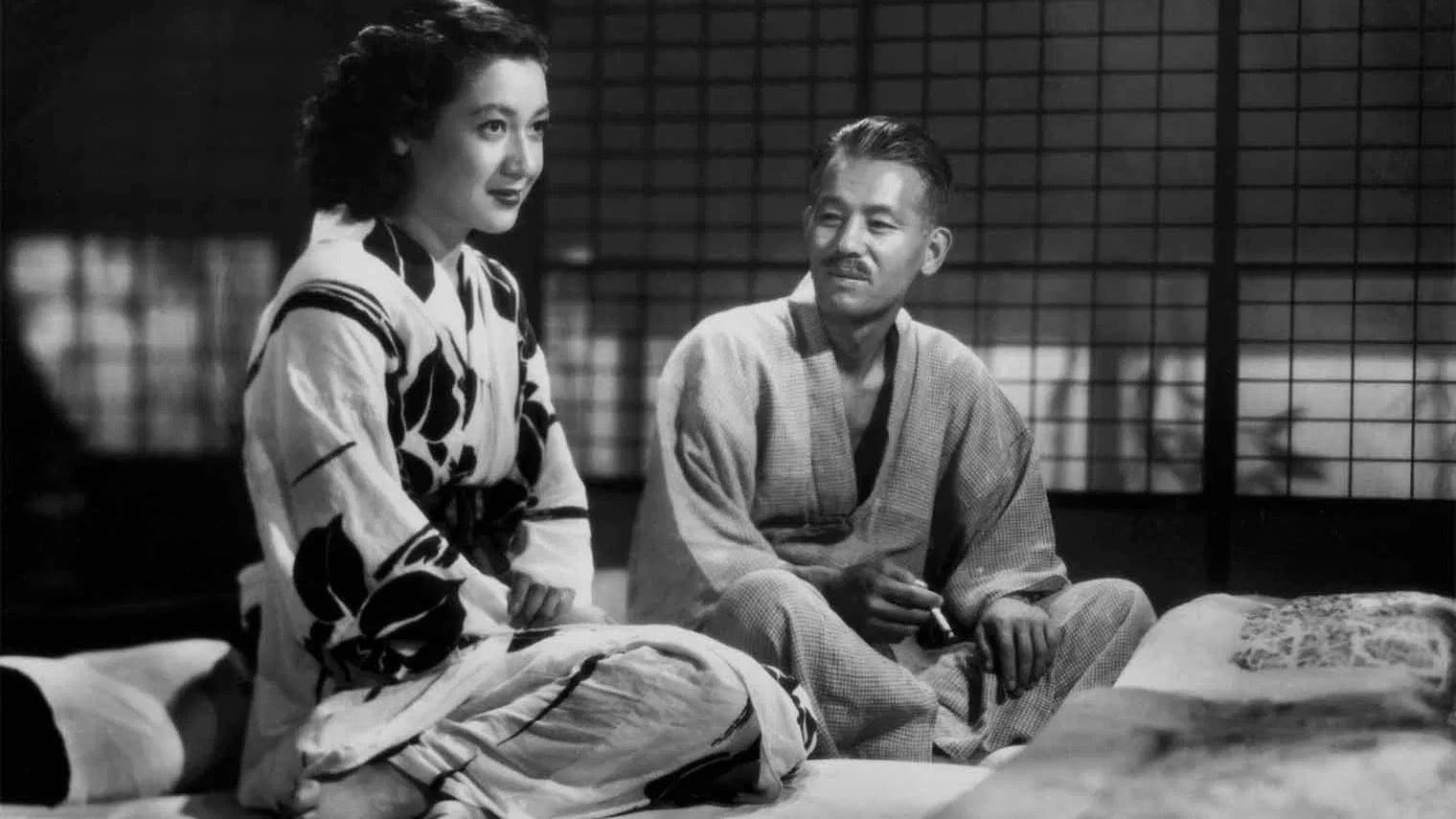
Noriko is perfectly happy living at home with her widowed father, Shukichi, and has no plans to marry -- that is, until her aunt Masa convinces Shukichi that unless he marries off his 27-year-old daughter soon, she will likely remain alone for the rest of her life. When Noriko resists Masa's matchmaking, Shukichi is forced to deceive his daughter and sacrifice his own happiness to do what he believes is right.

Insights

IMDb8.0/10
Rotten Tomatoes100%
Metacritic98/100
Google Users94%
Director: Yasujirō OzuGenres: Drama, Family

Plot Summary

A devoted daughter, Noriko, lives with her widowed father, Shukichi, in post-war Tokyo. When Shukichi subtly arranges for Noriko to marry an old friend, thinking it will secure her future happiness, Noriko initially resists, prioritizing her father's well-being. The film beautifully explores the poignant themes of familial duty, the inevitability of aging, and the quiet sacrifices made within Japanese family structures.

Critical Reception

Late Spring is universally acclaimed as a masterpiece of Japanese cinema, lauded for its profound emotional depth, subtle storytelling, and Ozu's signature minimalist style. Critics and audiences alike praise its realistic portrayal of family dynamics and its moving exploration of life's transitions. It is consistently ranked among the greatest films ever made.

What Reviewers Say

  • A deeply moving and subtly powerful examination of familial love and obligation.

  • Ozu's masterful direction captures the quiet beauty and sorrow of everyday life.

  • Hauntingly poignant performances, especially from Setsuko Hara and Chishū Ryū.

Google audience: Google users consistently praise 'Late Spring' for its emotional resonance and timeless depiction of family relationships. Many find the film's quiet intensity and relatable characters deeply affecting, highlighting its ability to evoke both sadness and a profound appreciation for life's simple moments.

Awards & Accolades

Named one of the greatest films of all time by Sight & Sound in 1992. Frequently cited in 'best of' lists by critics and film institutions worldwide.

Fun Fact

The film's iconic final scene, where the father is left alone after his daughter's marriage, was filmed at the exact location where Ozu himself felt this sense of loneliness after his mother's passing.

AI-generated overview · Verify ratings on official sources

Community Critic Reviews

No critic reviews have been posted yet. Be the first to share your thoughts.

My Review

TMDB Reviews

No TMDB reviews are available yet for this title.

Video Reviews

No video reviews found for this title yet.