
Movie spotlight
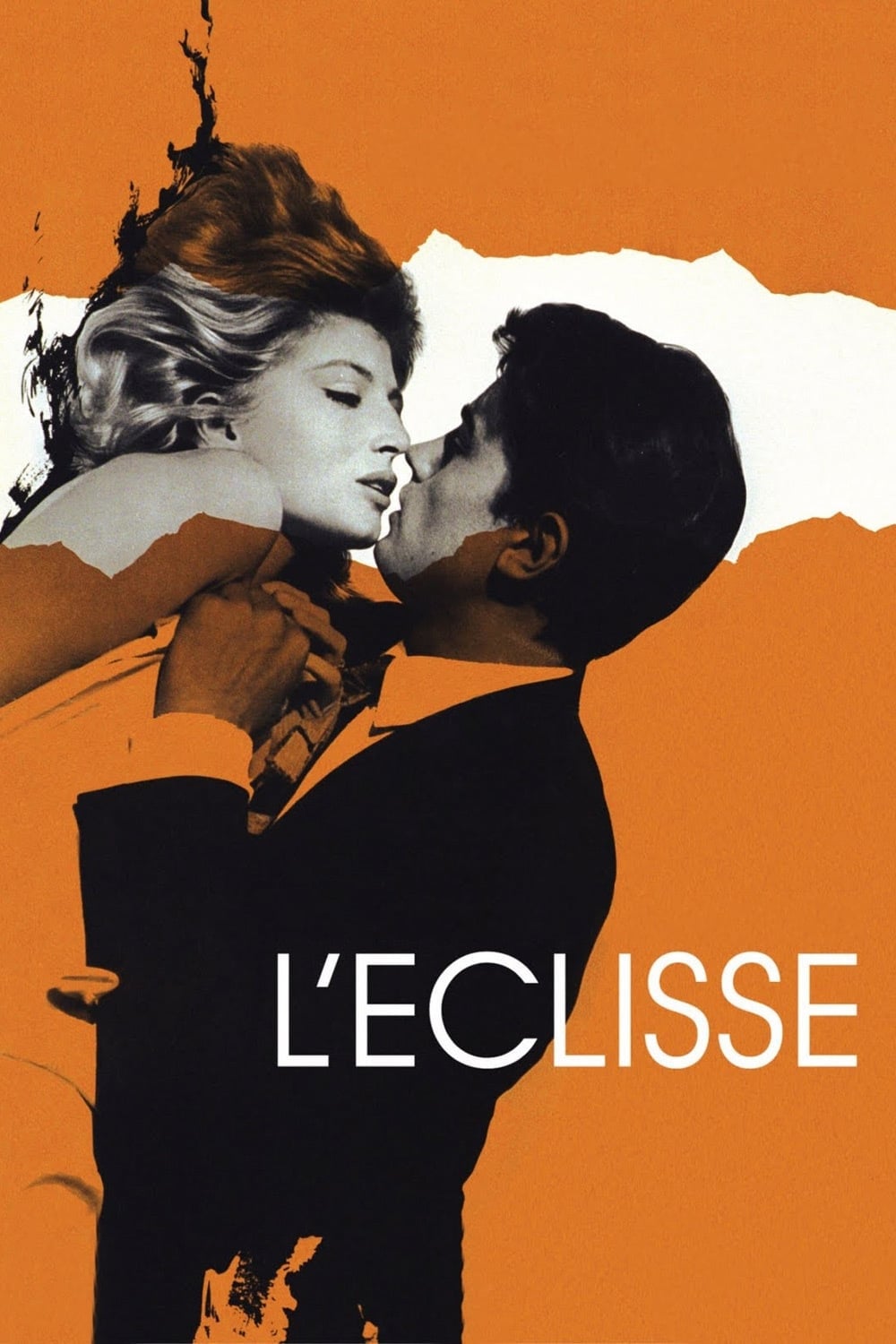
L'Eclisse
Vittoria is a beautiful literary translator living in Rome. After splitting from her writer boyfriend, Riccardo, Vittoria meets Piero, a lively stockbroker, on the hectic floor of the Roman stock exchange. Though Vittoria and Piero begin a relationship, it is not one without difficulties, and their commitment to one another is tested during an eclipse.
Insights
Plot Summary
In Rome, a young woman, Vittoria, ends her passionate but ultimately unfulfilling affair with her older lover, Riccardo. She then embarks on a tentative new romance with a handsome stockbroker, Piero. Despite their initial attraction and shared interest in the volatile stock market, their connection proves to be fragile, mirroring the spiritual emptiness and alienation of modern urban life. The film culminates in an extended, iconic scene devoid of dialogue, highlighting the profound difficulty of genuine human connection.
Critical Reception
L'Eclisse was met with significant critical acclaim, cementing Antonioni's reputation as a master of modernist cinema. Reviewers lauded its innovative visual style, profound exploration of existential themes, and the compelling performances of Vitti and Delon. While some found its pacing deliberate, the film is widely regarded as a landmark achievement in portraying modern alienation and the breakdown of communication in relationships.
What Reviewers Say
Praised for its starkly beautiful cinematography and Antonioni's signature exploration of modern ennui.
Lauded for its unflinching portrayal of emotional disconnect and the challenges of finding meaning in relationships.
Vitti's performance as the increasingly detached Vittoria is considered a highlight.
Google audience: Viewers generally appreciate the film's artistic merit and its thought-provoking themes on alienation and love in the modern world. Many find the visual storytelling and the final, dialogue-free sequence to be particularly powerful, though some note its slow pace and abstract nature.
Awards & Accolades
Jury Prize at the 1962 Cannes Film Festival. Nominated for the Palme d'Or.
Fun Fact
The iconic final scene of the film, which lasts nearly ten minutes and features no dialogue, was shot over several days at EUR, a district of Rome known for its Fascist-era architecture, which Antonioni felt represented a sterile and unreal environment that perfectly reflected the characters' emotional state.
AI-generated overview · Verify ratings on official sources