Movie spotlight
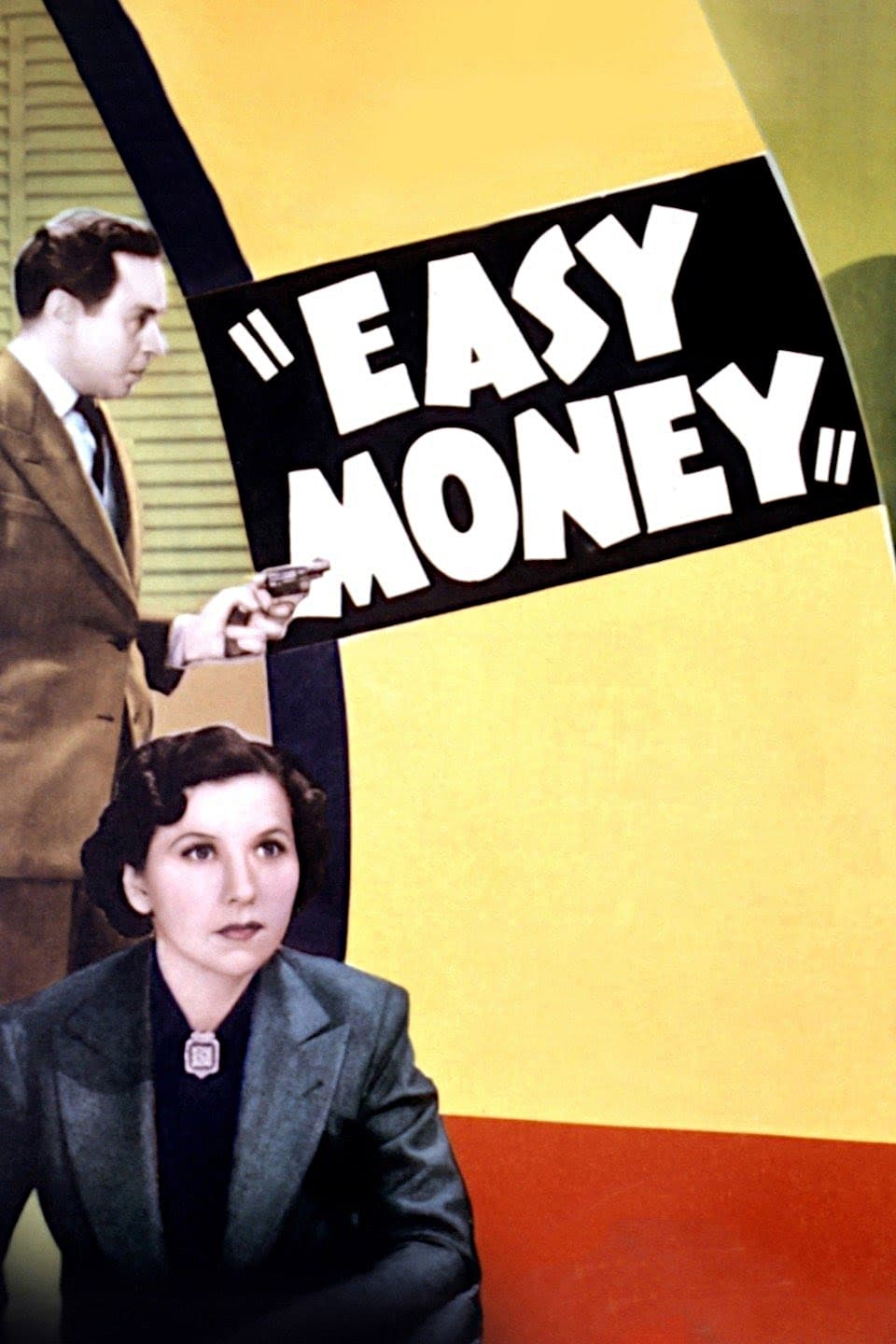
Easy Money
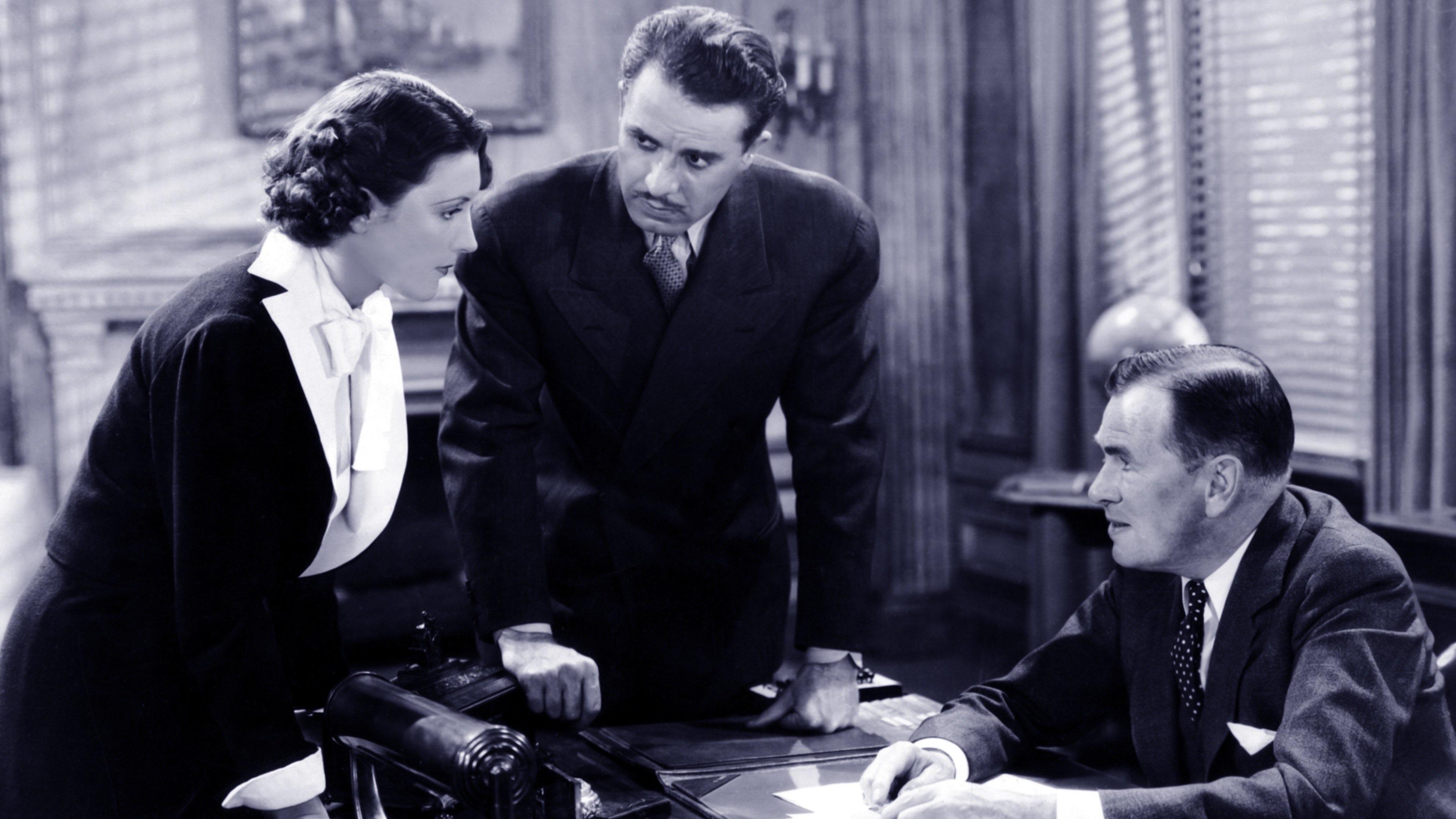
Dan Adams resigns his position as prosecutor on the district attorney's staff and sets out to clean up a gang of fake-accident racketeers. He gets a job with an insurance company, and assures the company president he will get the goods on the gang or die in the attempt. At the company offices, he meets Carol Carter and she, believing he is a shyster (possibly redundant) lawyer in the employ of the racketeers gives him as little help as possible. Dan visits his brother Eddie, who is mixed up with the gang and tries to make him break away. Eddie is belligerent but finally, because of the pressure brought by Dan and his wife Tonia, agrees to go straight. The gang, led by "Duke" Trotti, fears he will squeal and they kill him, plus they make his death look like an accident and plan to collect on it. Dan is closing in on the gang when Carol, who is now his assistant, comes up with some conclusive evidence, but "Duke" has plans to get rid of her before she can give the information to Dan.
Insights
Plot Summary
A ruthless millionaire, driven by greed, manipulates his way through life, crushing anyone who stands in his path. He becomes entangled in a dangerous web of deceit and betrayal as he schemes to expand his empire. The film explores the corrosive effects of unchecked ambition and the moral compromises one makes in the pursuit of wealth.
Critical Reception
Critically, 'Easy Money' was met with a mixed to positive reception upon its release, appreciated for its brisk pacing and Edward Arnold's commanding performance. Modern assessments often highlight its early foray into the darker themes that would define film noir, though some critics note its formulaic plot.
What Reviewers Say
Praised for Edward Arnold's portrayal of a morally ambiguous tycoon.
Appreciated for its efficient storytelling and early noir elements.
Some found the plot predictable but engaging.
Google audience: Audience reception information for 'Easy Money' is not widely available in a quantifiable format through Google reviews. However, general sentiment suggests appreciation for its period atmosphere and Arnold's central performance, though its age means it's less discussed than more prominent films of the era.
Fun Fact
Edward Arnold, known for his imposing presence, was a popular choice for playing powerful and often morally compromised characters in Hollywood during the 1930s and 40s.
AI-generated overview · Verify ratings on official sources