
Movie spotlight
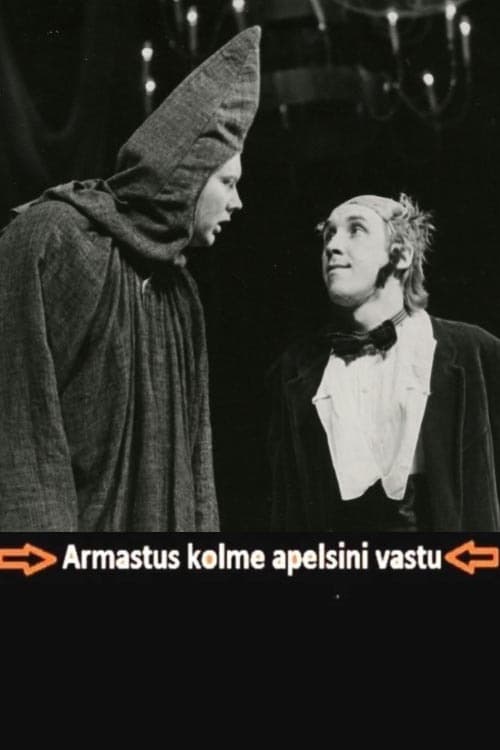
Love for Three Oranges
"Love for Three Oranges" is the first play by Carlo Gozzi (December 13, 1720 - April 4, 1806). He wrote it in 1761. The play is based on a parody of the fairy tale "Love Against Three Oranges". It was originally written as canovaccio (the explanation of the content on which commedia dell'arte actors improvise the text), but later Gozzi also added some dialogue instructions and critical explanations.
Insights
Plot Summary
Based on Sergei Prokofiev's opera, this film adaptation tells the story of Prince Kharloff, who is cursed to desire only oranges. His quest to find them leads him through a series of fantastical and comedic misadventures, encountering magical characters, witches, and royal intrigue. The narrative blends fairy tale elements with sharp satire, culminating in a madcap search for happiness and love.
Critical Reception
Information on the specific 1994 film adaptation's critical reception is scarce. However, Sergei Prokofiev's opera 'The Love for Three Oranges' is generally acclaimed for its witty satire, innovative music, and fantastical plot. Adaptations often face challenges in translating the operatic experience to film, with success depending on the director's vision and execution.
What Reviewers Say
The opera itself is praised for its playful and inventive score.
Critics often note the surreal and comedic nature of the story.
Adaptations can be hit or miss, depending on the faithfulness and cinematic skill.
Google audience: As specific audience reviews for the 1994 film are not readily available, general sentiment towards Prokofiev's opera highlights its unique blend of humor and fantasy.
Awards & Accolades
None notable for the 1994 film adaptation. The opera has been performed and recognized globally.
Fun Fact
The opera 'The Love for Three Oranges' is known for its famous 'The Love for Three Oranges March,' which is frequently performed as a concert piece.
AI-generated overview · Verify ratings on official sources