Movie spotlight
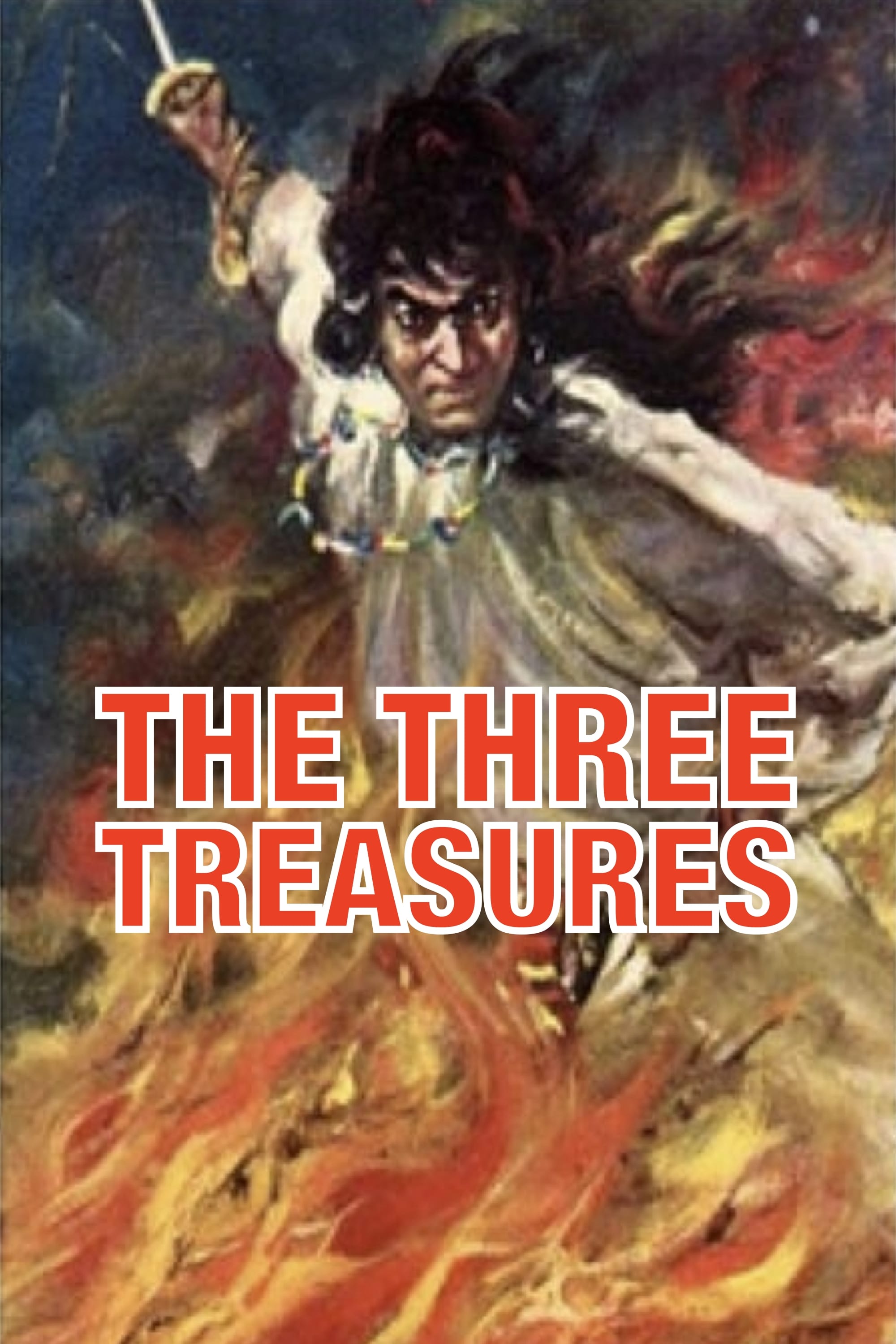
The Three Treasures
The legend of the birth of Shintoism. In Fourth Century Japan, the Emperor's son Ouso expects to succeed his father on the throne, but Otomo, the Emperor's vassal, prefers Ouso's stepbrother, and conspires to have Ouso die on a dangerous mission he has contrived. But Ouso prevails in the mission and returns to his father's castle under a new name, Prince Yamato Takeru. Otomo plots to have the Prince sent into even greater danger, but Otomo is unaware that the gods have favored the Prince and the outcome is far from what any of them expected.
Insights
Plot Summary
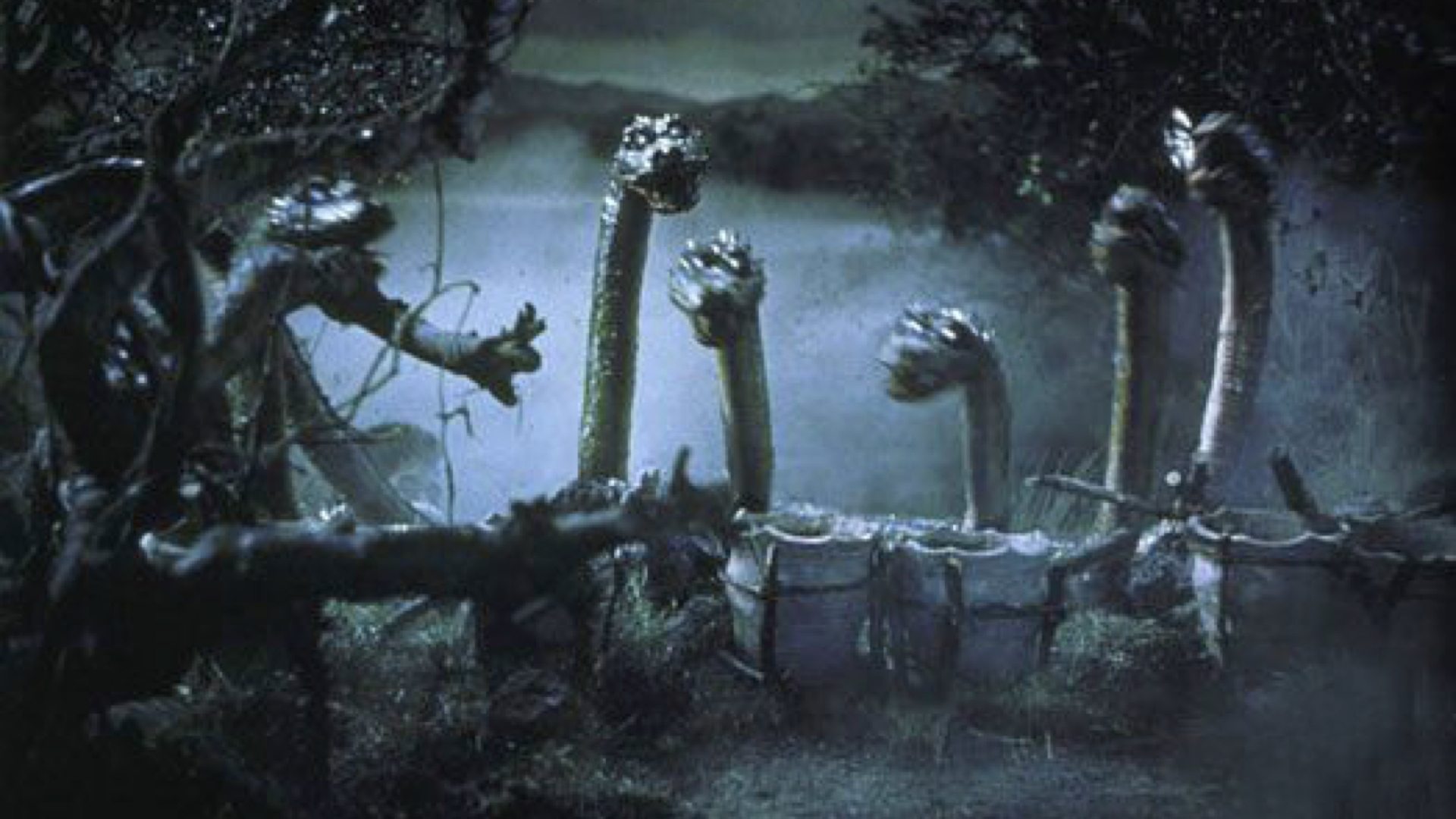
In ancient Japan, Prince Yamato Takeru embarks on a perilous quest to recover three sacred treasures: the sword Kusanagi, the mirror Yata no Kagami, and the jewel Yasakani no Magatama. These artifacts are essential to uniting the land and defeating a monstrous serpent threatening the empire. Along his journey, he faces numerous trials, battles mythical creatures, and grapples with his destiny.
Critical Reception
The film was generally well-received for its epic scope and visual splendor, though some found its narrative to be straightforward. It is recognized as a significant work in Japanese historical cinema, particularly for its adaptation of classic myths.
What Reviewers Say
Praised for its stunning cinematography and grand scale.
Appreciated for its faithful adaptation of Japanese folklore.
Considered a visually impressive, albeit conventional, adventure.
Google audience: Audience reviews often highlight the film's impressive visual presentation and the legendary performance of Toshiro Mifune. Many appreciate its connection to Japanese mythology and its classic adventure storytelling.
Fun Fact
The film is part of a trilogy directed by Hiroshi Inagaki, with the other two films being 'The Rickshaw Man' (1943) and 'Chuji's Revenge' (1944), though 'The Three Treasures' is a standalone epic based on mythology rather than a direct sequel.
AI-generated overview · Verify ratings on official sources