Movie spotlight
Lola
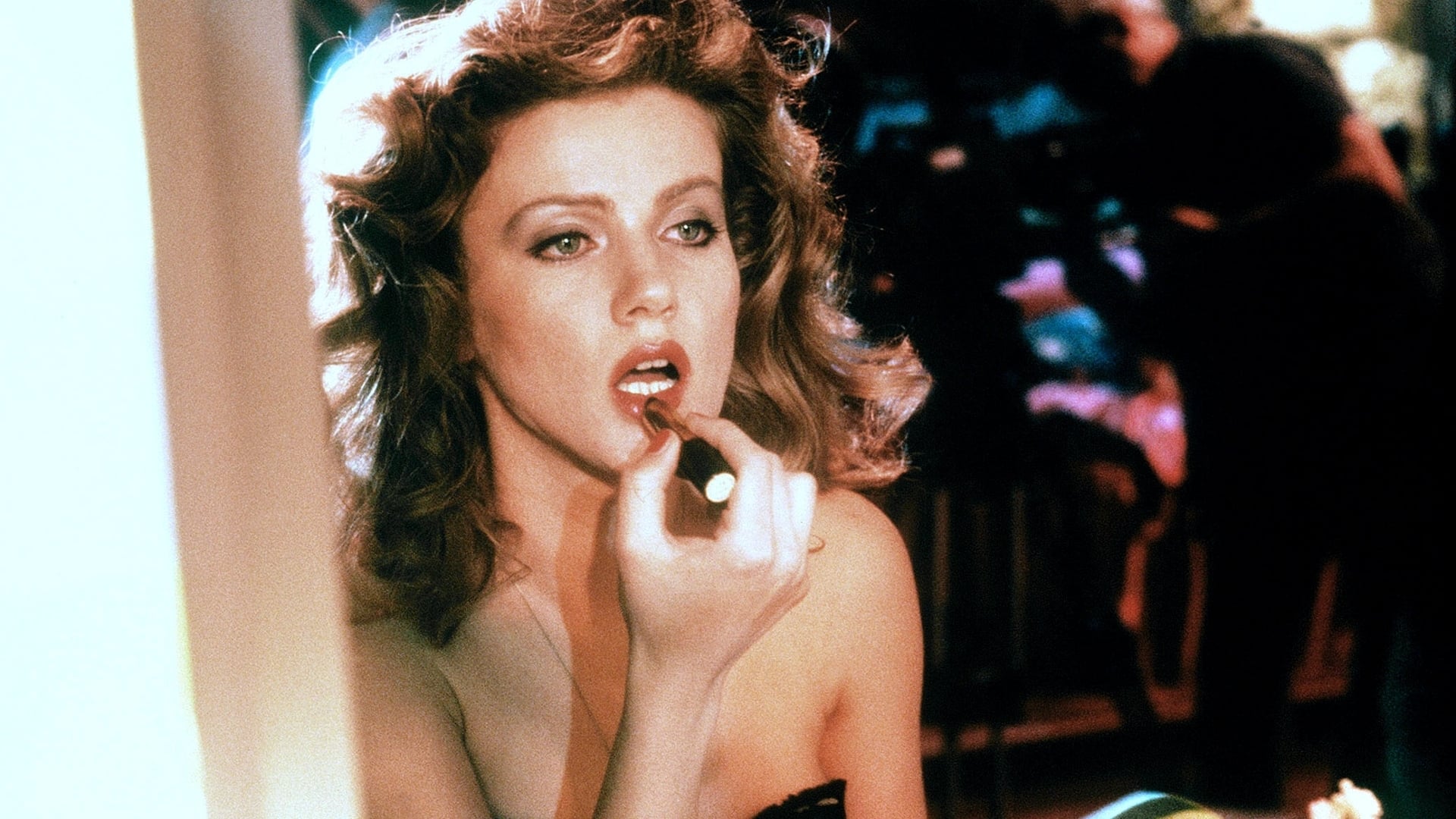
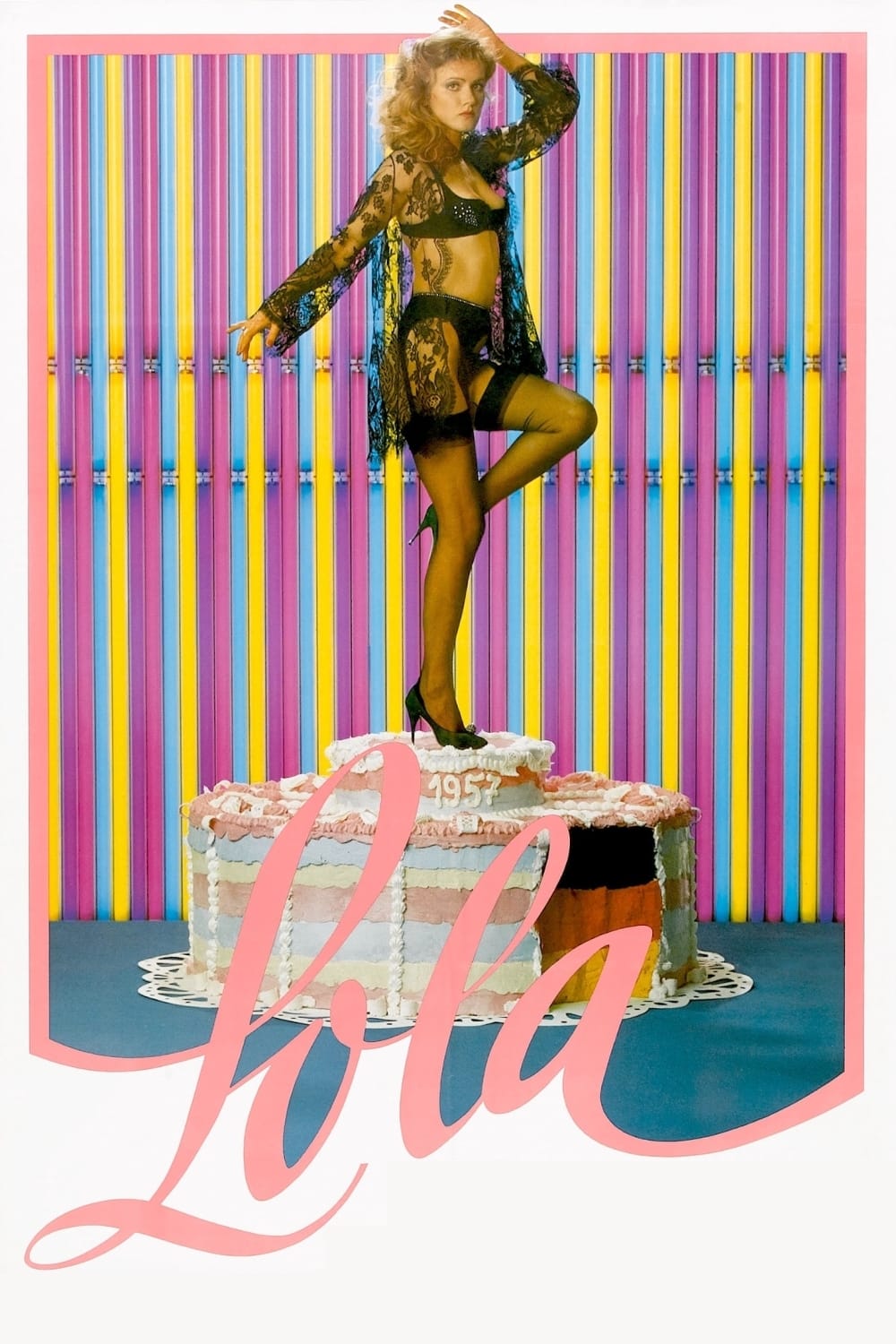
Germany in the autumn of 1957: Lola, a seductive cabaret singer-prostitute exults in her power as a temptress of men, but she wants out—she wants money, property, and love. Pitting a corrupt building contractor against the new straight-arrow building commissioner, Lola launches an outrageous plan to elevate herself in a world where everything, and everyone, is for sale. Shot in childlike candy colors, Fassbinder’s homage to Josef von Sternberg’s classic The Blue Angel stands as a satiric tribute to capitalism.
Insights
Plot Summary
Set in Berlin during the 1920s, Lola tells the story of a cabaret singer who uses her charm and intelligence to navigate a corrupt and morally ambiguous society. She becomes entangled with a wealthy construction mogul and a gangster, manipulating them to achieve her own ambitions. The film explores themes of power, desire, and survival in a city on the brink of social and political upheaval.
Critical Reception
Rainer Werner Fassbinder's 'Lola' was met with generally positive reviews, often cited as a vibrant and stylized exploration of Weimar Germany's underbelly. Critics praised its visual flair and the performances, particularly Barbara Sukowa's portrayal of the titular character. Some found its narrative somewhat convoluted, but it was largely recognized as a significant work in Fassbinder's prolific filmography.
What Reviewers Say
Praised for its striking visual style and decadent portrayal of 1920s Berlin.
Barbara Sukowa's performance as the complex and captivating Lola was a standout element.
Fassbinder's signature dark humor and critique of societal corruption were evident throughout.
Google audience: Audiences appreciated the film's atmospheric depiction of the Weimar era and its engaging, if sometimes cynical, narrative. Many found Lola to be a compelling protagonist, and the film's musical numbers added an enjoyable dimension. Some viewers noted the film's bleak undertones and Fassbinder's often critical perspective on human nature.
Fun Fact
Lola is the second film in Fassbinder's unofficial 'BRD Trilogy', which also includes 'The Marriage of Maria Braun' (1979) and 'Veronika Voss' (1982), all exploring German history and identity during different periods.
AI-generated overview · Verify ratings on official sources