Movie spotlight
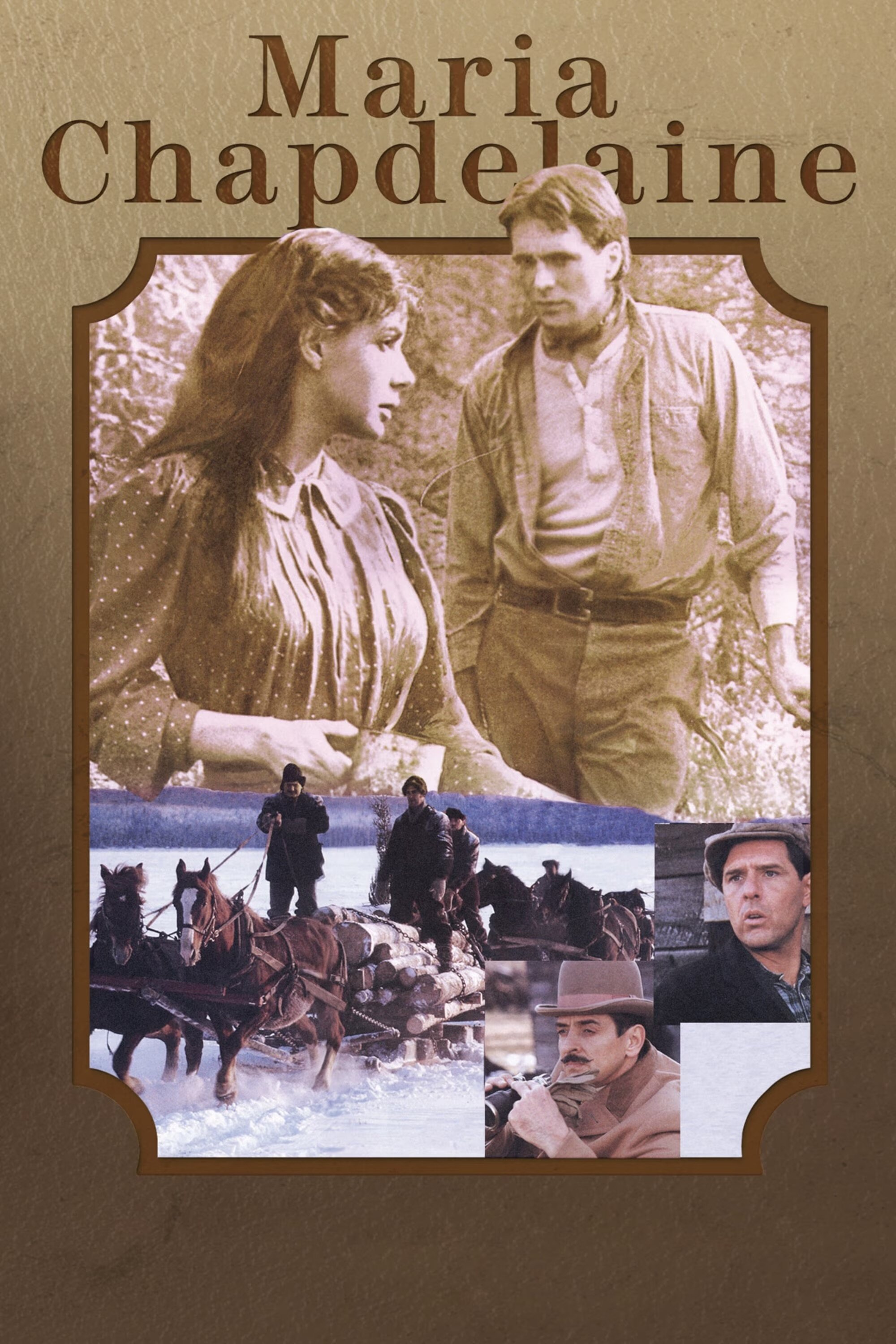
Maria Chapdelaine
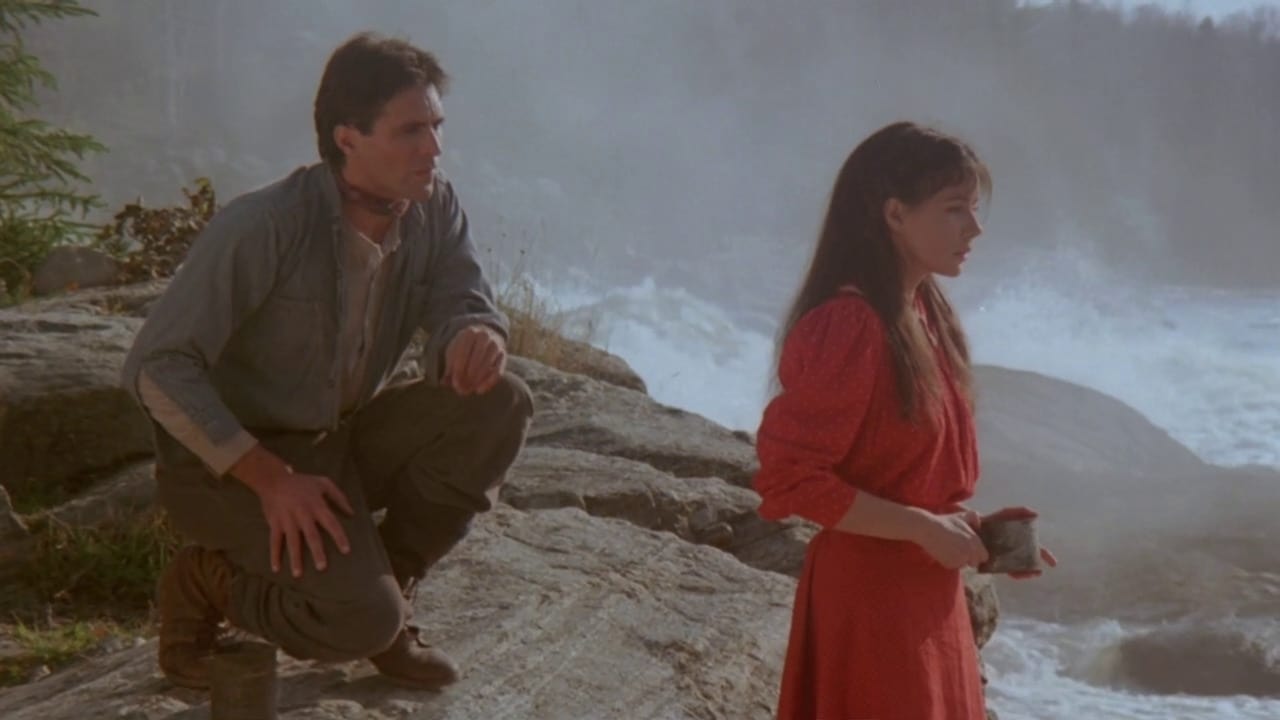
A young woman, living with her parents and siblings on a remote farm in harsh, picturesque northern Québec, has three suitors: a steady and unimaginative farmer, Eutrope, the Americanized and wealthy Lorenzo, who has sought his fortune in Boston, and François Paradis, a rough and virile logger who captures her heart despite the warnings of her parents and the village priest. For a year, marked by seasonal change in an atmosphere charged with the strangeness of Indians and the demons of the woods, we see Maria at work and prayer, struggling with decisions, choosing to stay in Canada, in love with François, seeking to change his rough behaviors, and dealing with extraordinary loss.
Insights
Plot Summary
Set in Quebec in the early 20th century, the film follows the life of Maria Chapdelaine, a young woman torn between her love for her family and the harsh realities of rural life, and her eventual choices regarding marriage and her future. She is courted by several men, each representing a different path for her life, forcing her to confront her desires and obligations.
Critical Reception
Maria Chapdelaine was a significant film in Quebecois cinema, praised for its ambitious scope, stunning cinematography capturing the Quebec landscape, and its poignant portrayal of a woman's struggle for independence and identity. While some critics noted its length, the film was largely seen as a powerful adaptation of Louis Hémon's classic novel, resonating deeply with audiences.
What Reviewers Say
Praised for its beautiful cinematography and depiction of Quebec's natural beauty.
Commended for its powerful central performance and exploration of a woman's place in society.
Some found the film's pacing slow due to its considerable runtime.
Google audience: Information on Google user reviews for this film is not readily available.
Awards & Accolades
Nominated for the Palme d'Or at the 1983 Cannes Film Festival. It also received several Jutra Awards (now Iris Awards) nominations and wins in Quebec.
Fun Fact
The film is based on the celebrated 1913 novel of the same name by French author Louis Hémon, which has been adapted into film multiple times, with this 1983 version being one of the most well-known.
AI-generated overview · Verify ratings on official sources