Movie spotlight
Virginity
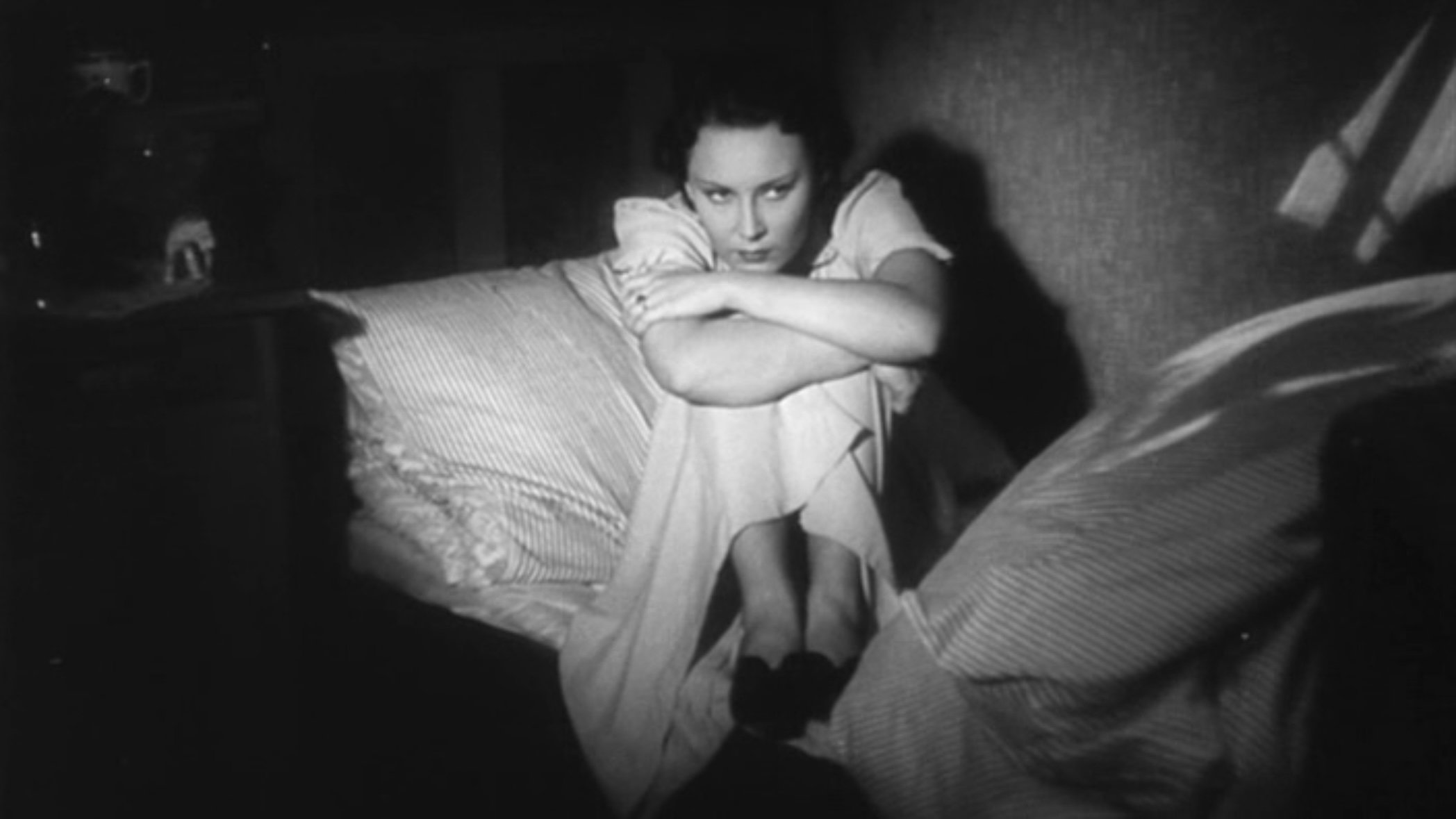
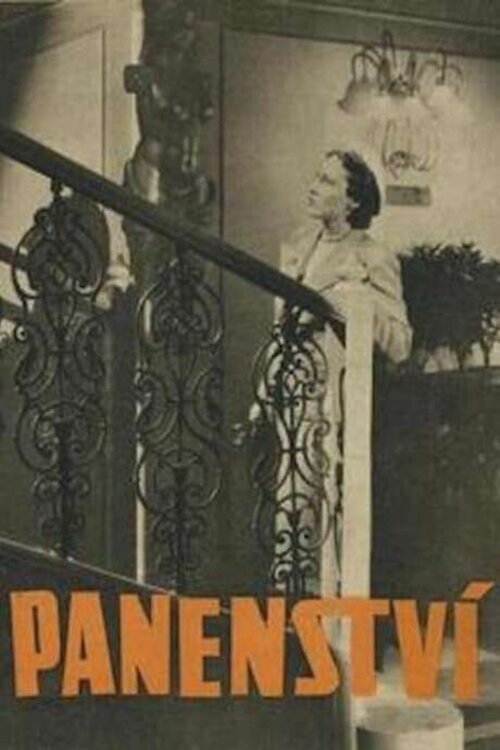
The doomed love of a city girl caught in the vise of poverty is detailed in Vavra’s fluid, romantic work, one of the most elegant creations of the Czech Modernist era... The film lingers over its characters’ habitats and haunts, finding psychological truths in what each owns or desires, and countering every Hollywood-ready scene of gleaming restaurants and dazzling penthouses with realist moments of employment lines and crammed flats. Vavra’s classical camerawork and aura of romantic defeatism give Virginity a force comparable to the master of this genre, Hollywood’s Frank Borzage. (BAM/PFA)
Insights
Plot Summary
A young woman faces societal judgment and personal turmoil when her out-of-wedlock pregnancy becomes known. The film explores the challenges she endures and the difficult choices she must make in a conservative society. Her journey highlights themes of shame, resilience, and the search for acceptance.
Critical Reception
Contemporary reviews for "Virginity" were mixed, reflecting the controversial nature of its subject matter for the era. While some critics praised its earnest attempt to tackle taboo themes and the lead performance, others found it overly melodramatic or morally questionable. Its reception today is more as a historical artifact of pre-Code cinema's engagement with social issues.
What Reviewers Say
Praised for its bold handling of a sensitive topic for its time.
Criticized for its melodramatic tone and perceived moral ambiguity.
Now viewed as a significant example of social commentary in early cinema.
Google audience: Audience reception information for this film is not readily available due to its age and limited release.
Fun Fact
The film was controversial for its time due to its explicit exploration of pregnancy outside of marriage, a topic rarely addressed directly in mainstream cinema of the 1930s.
AI-generated overview · Verify ratings on official sources