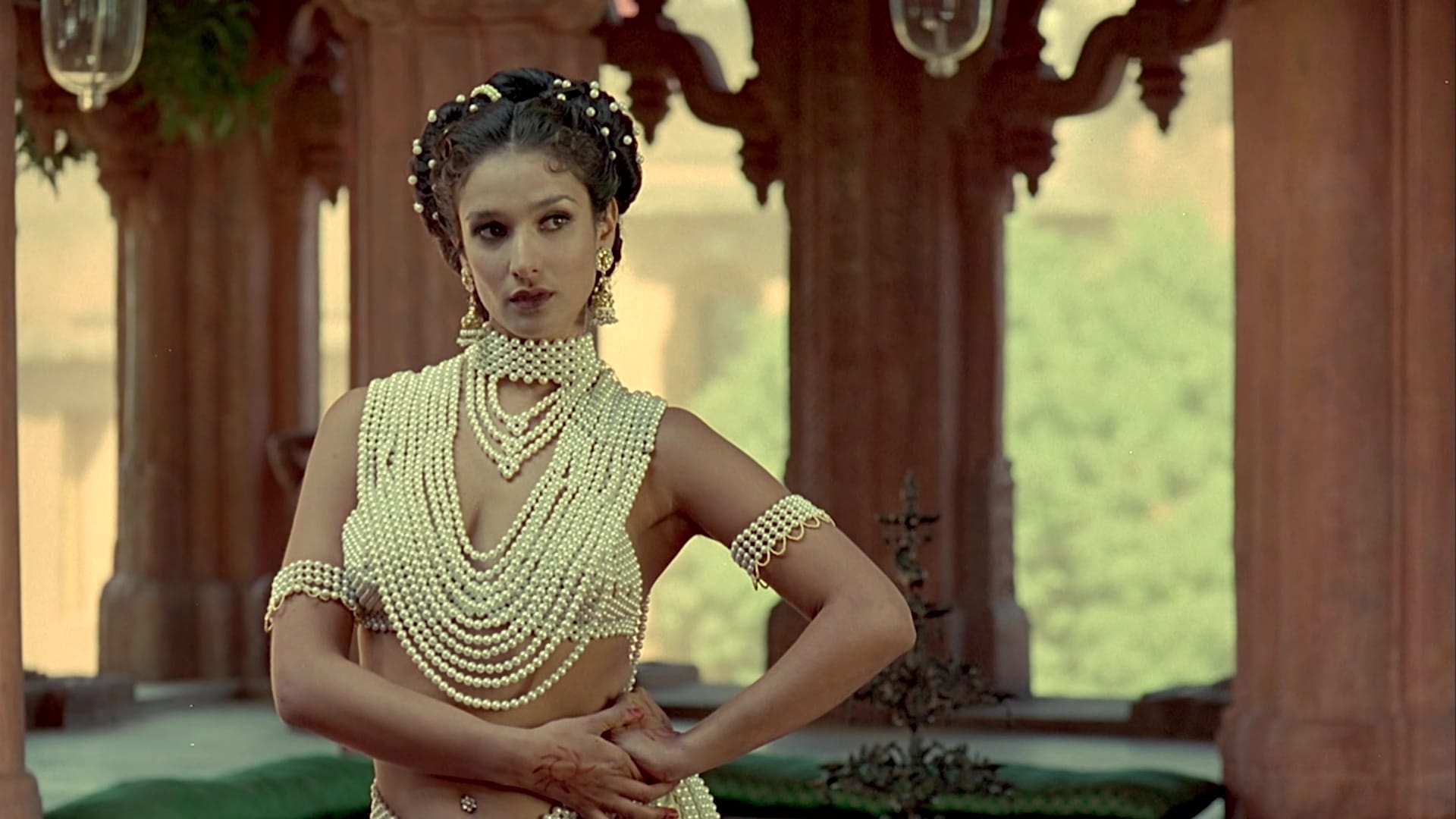

Movie spotlight
Kama Sutra: A Tale of Love
Tara and Maya are inseparable, with the same tastes, habits, and hobbies. Years later, the two have matured but have maintained their friendship. Tara marries local prince Raj Singh, who succeeds the throne as the sole heir. After the marriage, Raj seeks another female to satisfy his sexual desires, with his sights settling on Maya, putting a perhaps unforgivable strain on a longtime friendship.
Insights
Plot Summary
In 16th-century India, Maya, a palace handmaiden, is taught the art of love and seduction by her friend Tara, who is destined to marry the king. As Maya's skills grow, she finds herself entangled in a passionate and complex love triangle involving Tara, the king, and the king's advisor, leading to forbidden desires and tragic consequences. The film explores themes of love, ambition, and the intricate dynamics of relationships within a historical and opulent setting.
Critical Reception
Mira Nair's 'Kama Sutra: A Tale of Love' received a mixed to positive reception, with critics often praising its visual splendor, bold exploration of sensuality, and strong performances, particularly from Sarita Choudhury and Naseeruddin Shah. However, some found the narrative less compelling than its aesthetic qualities, and its explicit nature garnered controversy and divided audiences.
What Reviewers Say
Praised for its lush visuals and bold depiction of sensuality.
The performances, especially from the lead cast, were frequently highlighted.
Some critics found the plot less engaging than its thematic ambitions and visual execution.
Google audience: Google users generally appreciated the film's artistic direction, costumes, and the performances of the lead actors. Many found the exploration of ancient Indian sexuality to be both educational and intriguing, though some viewers noted that the storyline could be slow-paced at times.
Fun Fact
The film's costume designer, Dolly Ahluwalia, conducted extensive research into historical Indian textiles and jewelry to ensure the accuracy and opulence of the costumes, drawing inspiration from 16th-century Mughal and Rajput art.
AI-generated overview · Verify ratings on official sources