
Reno
**Farming, cooking, culture and the nature.**
I like arts, but not an artist or a crazy collector. Whenever I visit art galleries or the photo exhibitions, I keep staring each one of them for a very long. Not that I'm looking for somethi...
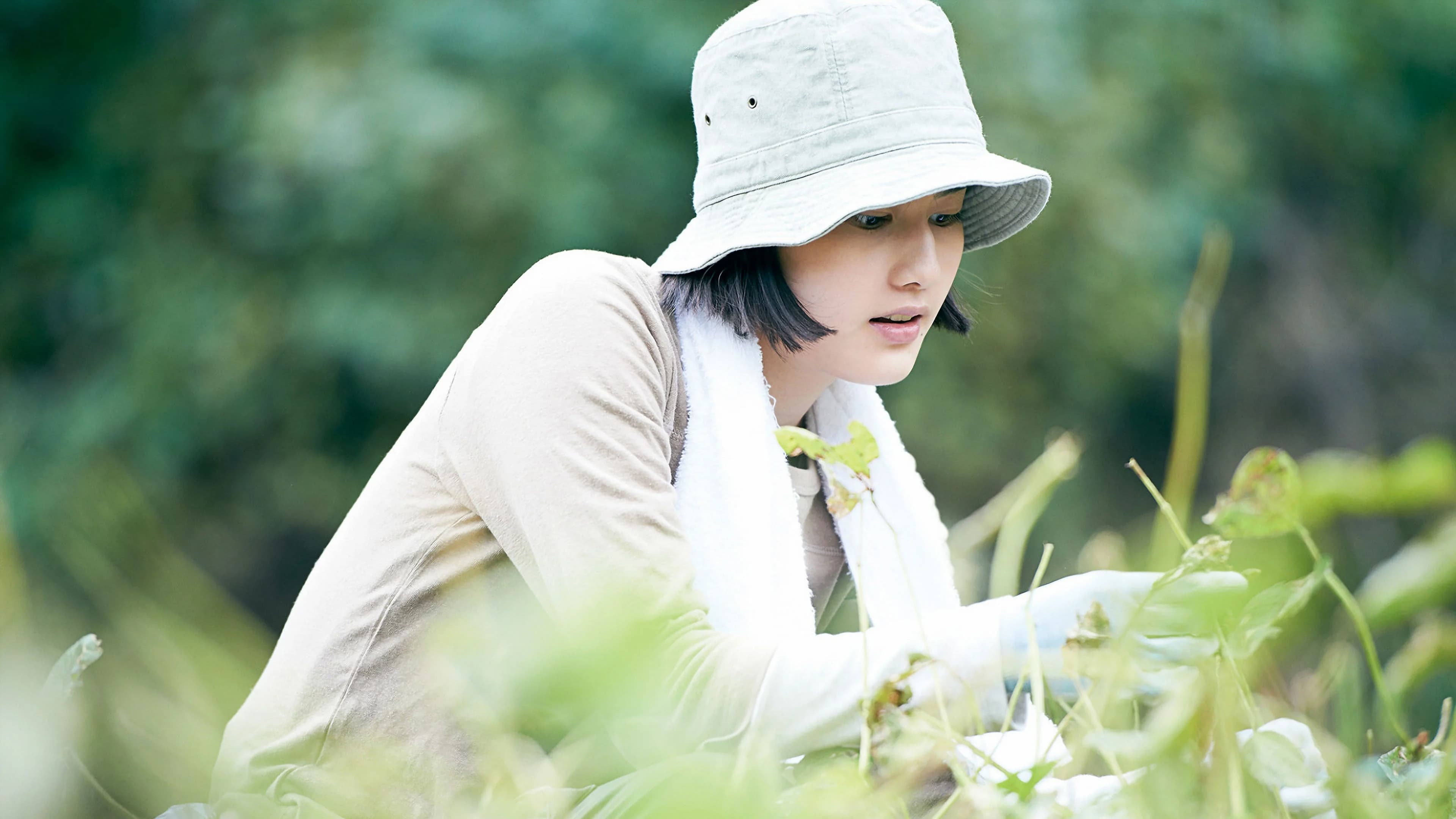
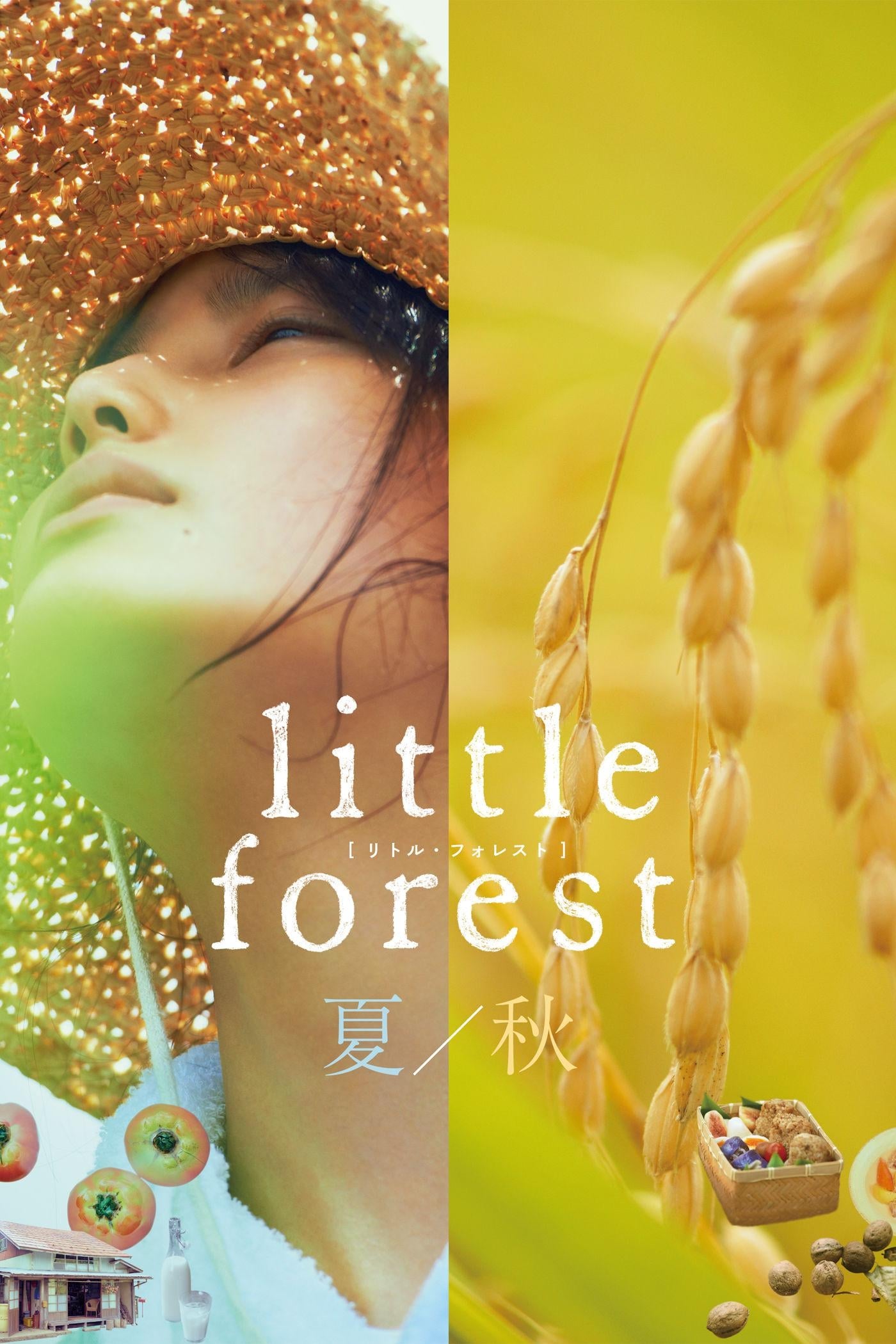
Fleeing heartbreak in the big city, Ichiko returns to Komori, her rural hometown. She battles summer's rain and humidity, bakes her own bread, grows hothouse tomatoes and tills the fields. During autumn, the time for pickling and preserving fish and sweet potatoes, Ichiko begins reaping rice and recalls her departure five years before.
A young woman named Ichiko leaves the city and returns to her rural childhood home to escape a life that feels unfulfilling. As she reconnects with the rhythms of nature, she cultivates a small plot of land, grows her own food, and prepares delicious meals using seasonal ingredients. The film follows her journey through the changing seasons as she finds solace, self-discovery, and a deeper understanding of herself and her place in the world.
Little Forest: Summer/Autumn was met with widespread critical acclaim, particularly for its tranquil atmosphere, stunning cinematography, and heartwarming portrayal of self-sufficiency and connection to nature. Critics praised its gentle pacing and focus on the simple pleasures of life, making it a deeply resonant and visually beautiful cinematic experience.
Google audience: Audiences overwhelmingly enjoyed the film's peaceful ambiance, realistic portrayal of cooking and farming, and its ability to evoke a sense of calm and contentment. Many viewers found it a refreshing escape and a source of inspiration for a more mindful lifestyle.
The film is based on the manga series of the same name by Daisuke Igarashi, which was published in the magazine 'Monthly Afternoon' from 2002 to 2005.
AI-generated overview · Verify ratings on official sources