
Jeffrey Epstein
nice movie, really liked it. i do wish that this movie was a bit more longer because i found this movie to be really enjoyable to me
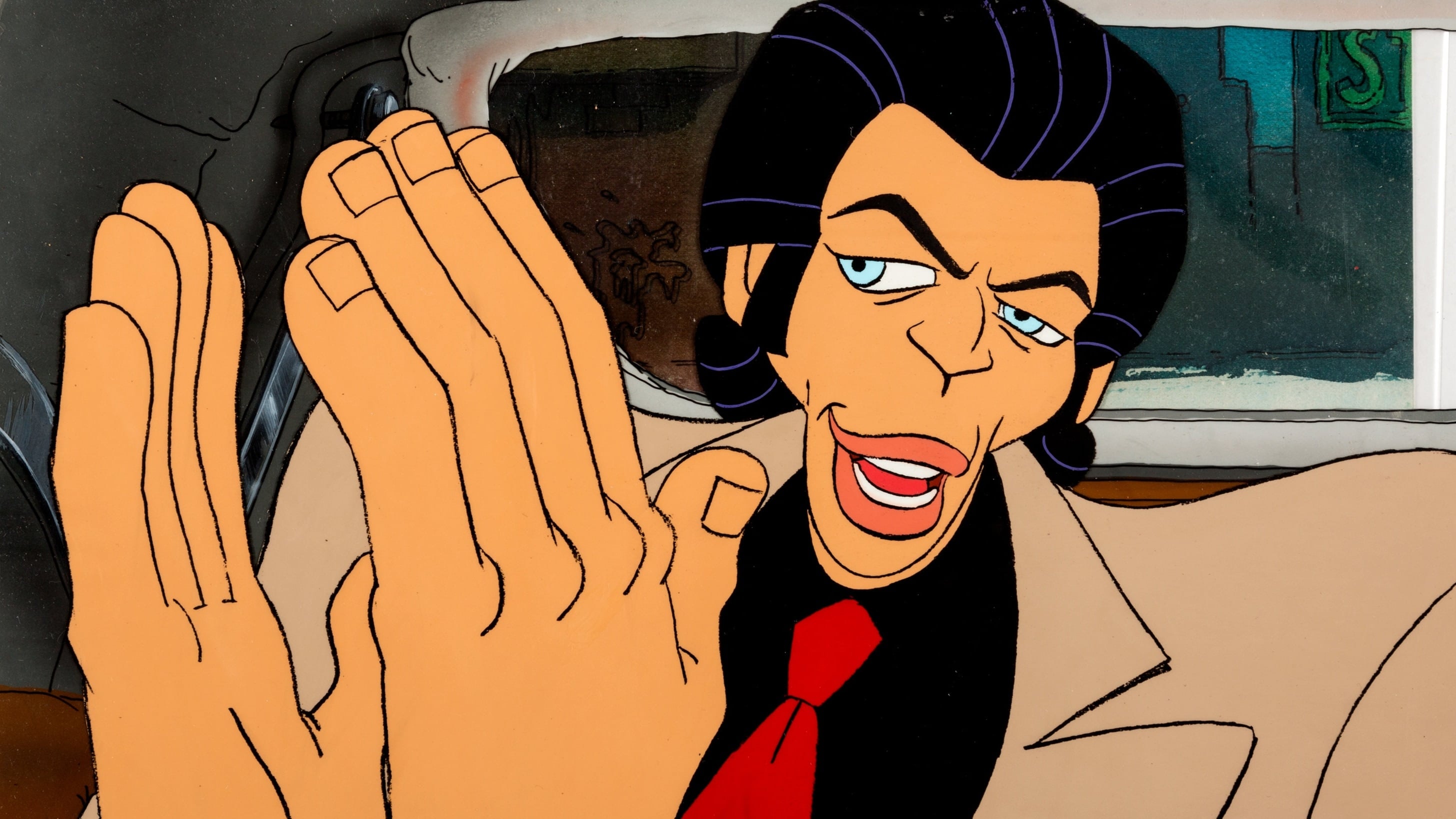

Movie spotlight
In 1953 Brooklyn, charismatic hood and The Stompers leader Vinnie Genzianna, his friend and second-in-command Crazy Shapiro, and their respective girlfriends Roz and Eva get wrapped up in an escalating conflict with the rival Black gang, The Chaplains, lead by Boogaloo Jones.
This animated feature follows Vinnie, a naive Italian-American kid from Brooklyn, as he tries to make it big in the world of rock and roll and tough street gangs. He dreams of becoming a champion boxer and a rock star, encountering a host of eccentric characters and dangerous situations along the way. The film is a raucous and often gritty look at adolescent ambition set against the backdrop of 1950s New York City.
Ralph Bakshi's 'Hey Good Lookin'' is a cult classic, known for its distinctive rotoscoped animation and raw, adult themes. While its animation style and adult-oriented humor were polarizing, it garnered a dedicated following for its unique artistic vision and unflinching portrayal of urban youth culture. Critics at the time were divided, with some praising its bold originality and others criticizing its content and animation.
Praised for its unique rotoscoped animation and energetic style.
Appreciated for its gritty and authentic portrayal of 1950s urban youth culture.
Criticized by some for its explicit content and uneven narrative.
Google audience: Audience reception for 'Hey Good Lookin'' is varied, with many appreciating its distinctive animation and the raw, unapologetic portrayal of its characters and setting. Some viewers find its humor and themes to be ahead of their time, contributing to its cult status, while others express reservations about its more controversial elements.
Ralph Bakshi originally intended 'Hey Good Lookin'' to be a live-action film before deciding to adapt it into animation, using his signature rotoscoping technique to blend live-action footage with animation.
AI-generated overview · Verify ratings on official sources
nice movie, really liked it. i do wish that this movie was a bit more longer because i found this movie to be really enjoyable to me