Movie spotlight
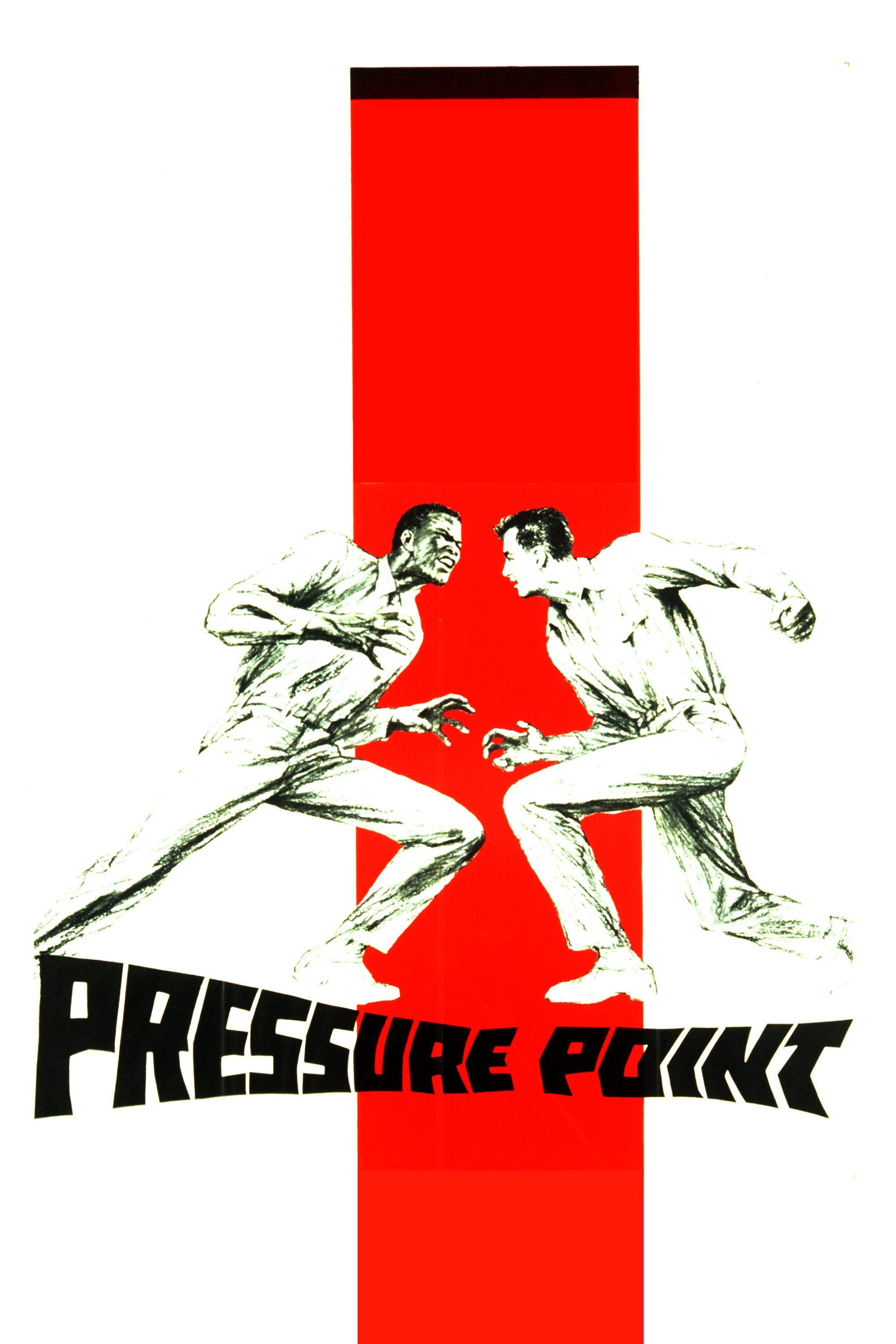
Pressure Point
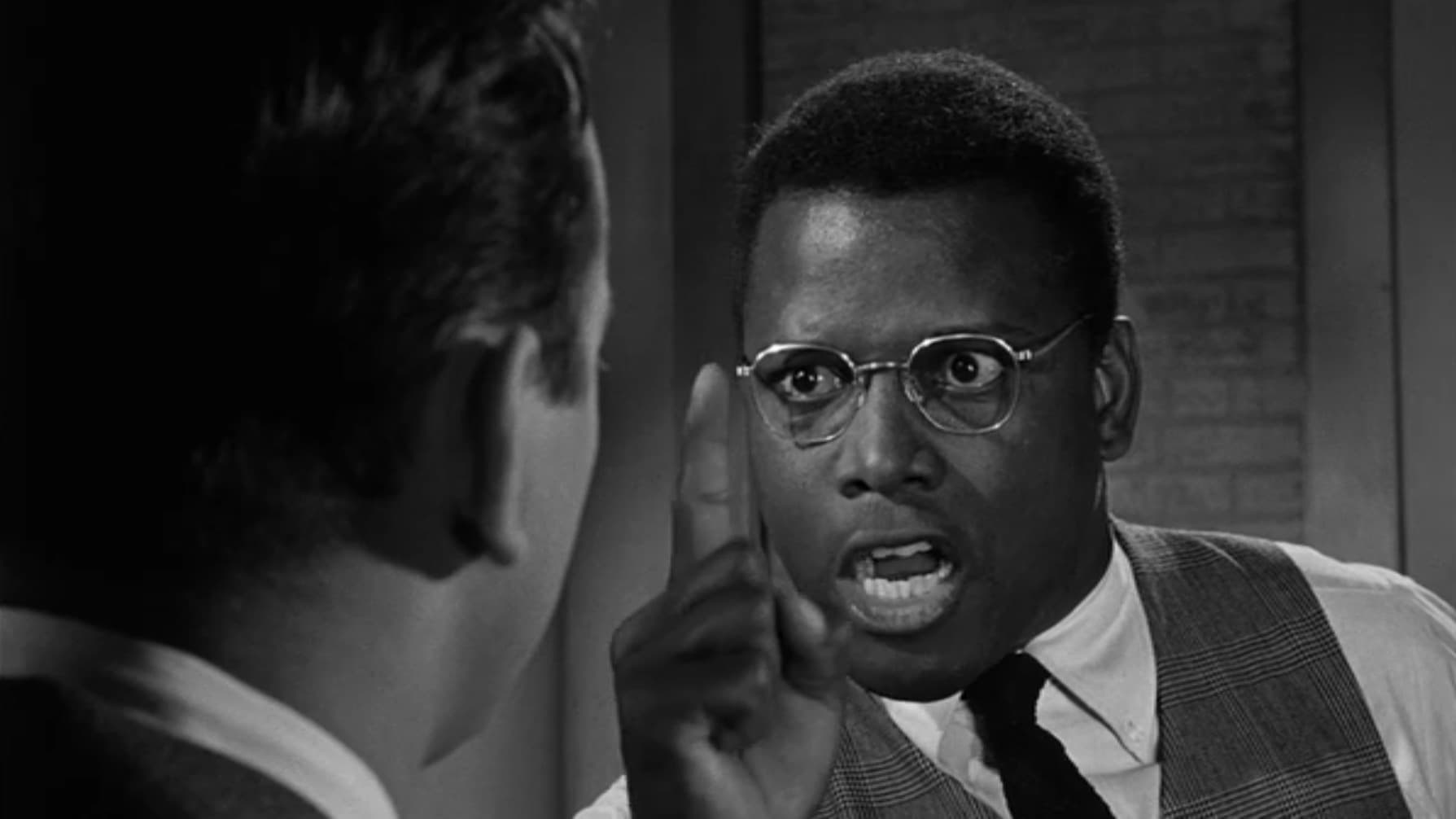
An African-American prison psychiatrist finds the boundaries of his professionalism sorely tested when he must counsel a disturbed inmate with bigoted Nazi tendencies.
Insights
Plot Summary
During World War II, a U.S. Army psychiatrist is tasked with evaluating a soldier accused of desertion. As the doctor delves into the soldier's past and motivations, he confronts his own prejudices and the complex psychological toll of war on individuals. The film explores themes of racism, cowardice, and the moral ambiguities faced by those in uniform.
Critical Reception
Pressure Point received a mixed to positive reception upon its release. Critics often praised Sidney Poitier's performance and the film's attempt to tackle serious psychological and racial issues within a wartime setting. However, some found the narrative occasionally heavy-handed or melodramatic.
What Reviewers Say
Praised for its attempt to address complex psychological and racial themes.
Sidney Poitier delivers a compelling performance as the psychiatrist.
Some critics found the dramatic execution to be less effective than its intentions.
Google audience: Information on Google user reviews is not readily available for this film.
Fun Fact
Although released in 1962, the film was based on a 1958 novel titled 'The Enormous Shadow' by Lionel Shapiro, which itself drew inspiration from a real-life psychological case during the Korean War.
AI-generated overview · Verify ratings on official sources