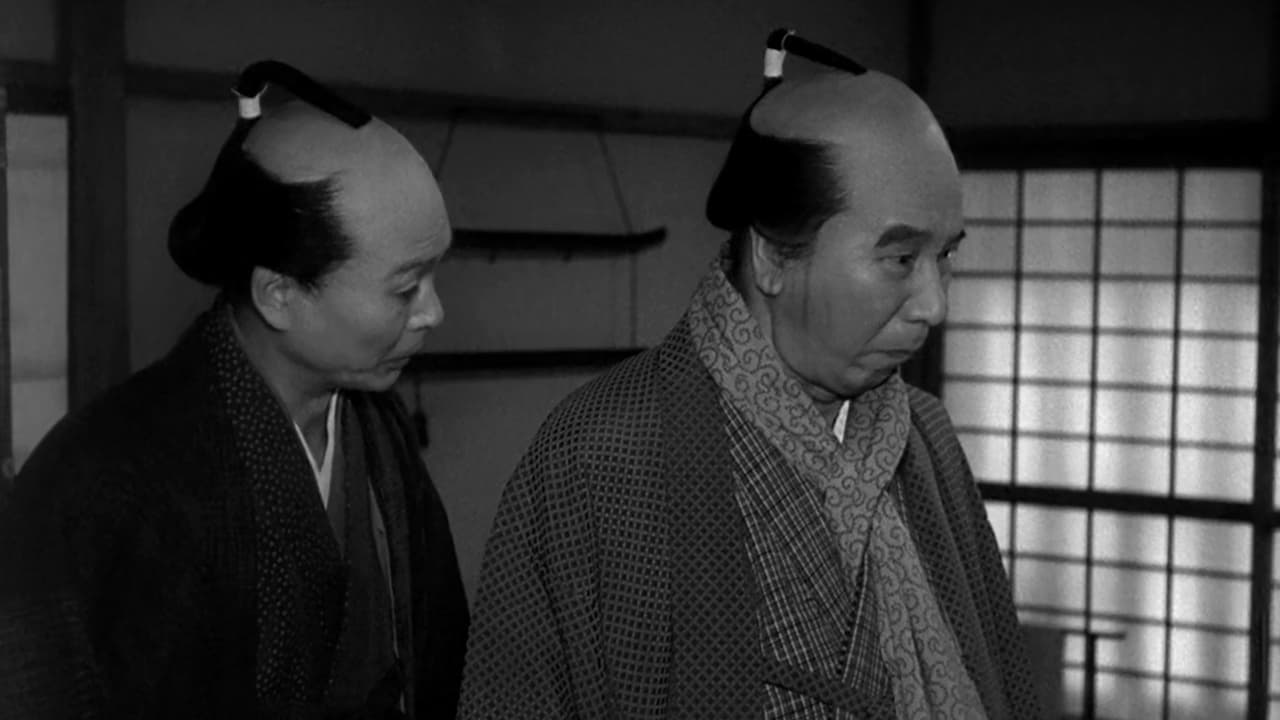

Movie spotlight
Chikamatsu Monogatari
When the wife of a 17th-century Kyoto scrollmaker is falsely accused of having an affair with his best employee, the pair flee the city and find themselves truly falling for one another.
Insights
Plot Summary
In Edo-period Japan, a respectable papermaker's wife, Osugi, is drawn into a forbidden affair with the shop's apprentice, Mohei, when they are falsely accused of theft. Facing severe societal consequences, including the potential for public execution, they are forced to flee and seek refuge. Their desperate flight transforms into a poignant exploration of love, sacrifice, and the rigid social structures they defy.
Critical Reception
Chikamatsu Monogatari is widely regarded as a masterpiece of Japanese cinema, celebrated for its exquisite visual artistry and profound emotional depth. Critics lauded Kenji Mizoguchi's direction, the performances of the lead actors, and the film's sensitive portrayal of forbidden love against the backdrop of a repressive society. It is considered one of Mizoguchi's most personal and enduring works.
What Reviewers Say
Praised for its stunning visual composition and elegant cinematography.
Hailed for its sensitive and tragic depiction of doomed lovers.
Recognized as a profound critique of feudal Japanese society and its oppressive moral codes.
Google audience: Audiences frequently highlight the film's beautiful visuals and heartbreaking story. Many viewers connect with the characters' plight and the emotional weight of their forbidden romance, often describing it as a deeply moving and thought-provoking cinematic experience.
Awards & Accolades
None notable (though widely acclaimed critically and considered a classic).
Fun Fact
The film is based on a 1715 play by Chikamatsu Monzaemon, considered the 'Shakespeare of Japan', and is one of Mizoguchi's adaptations of his works.
AI-generated overview · Verify ratings on official sources