Movie spotlight
The Perils of Pauline
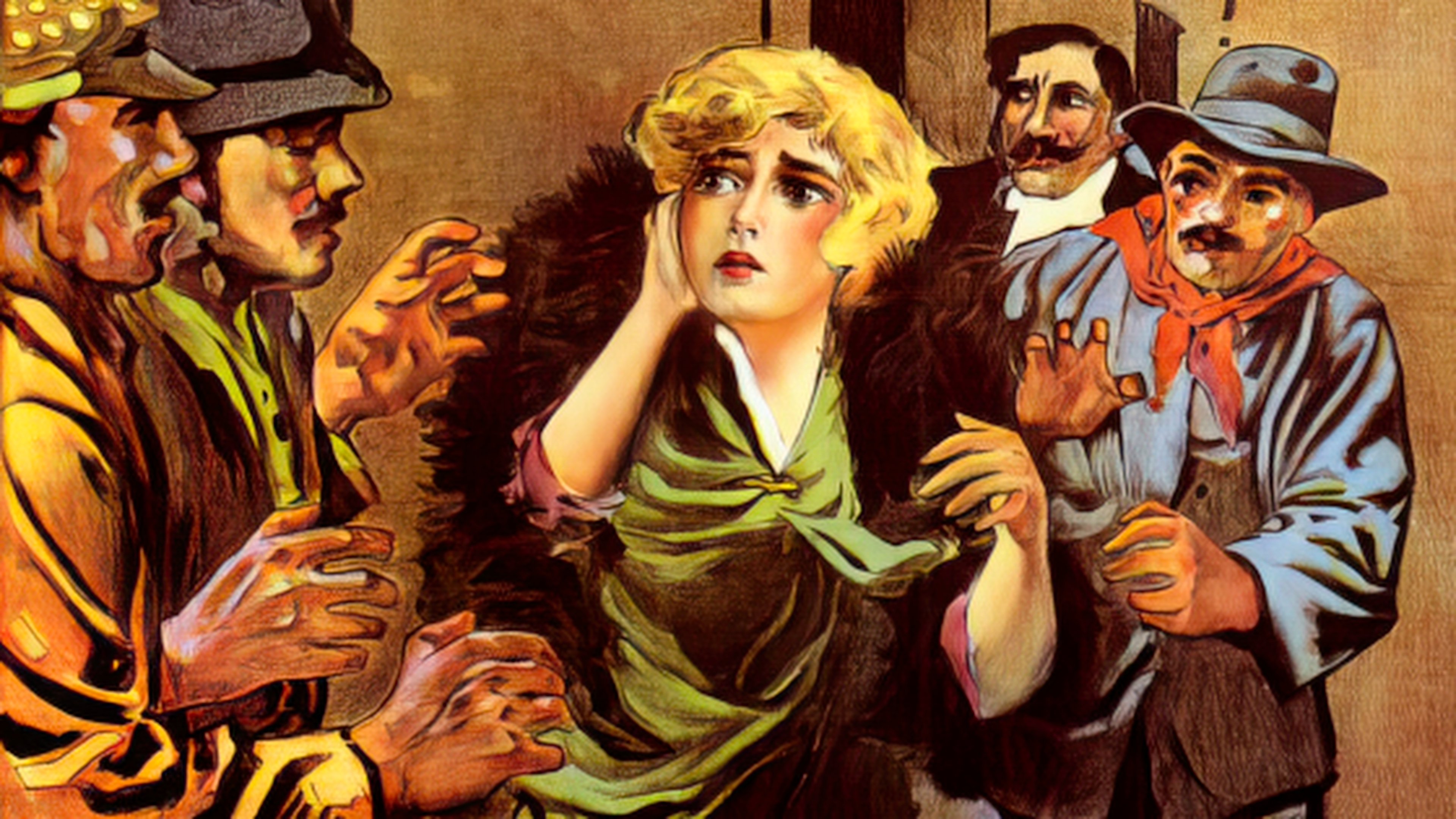
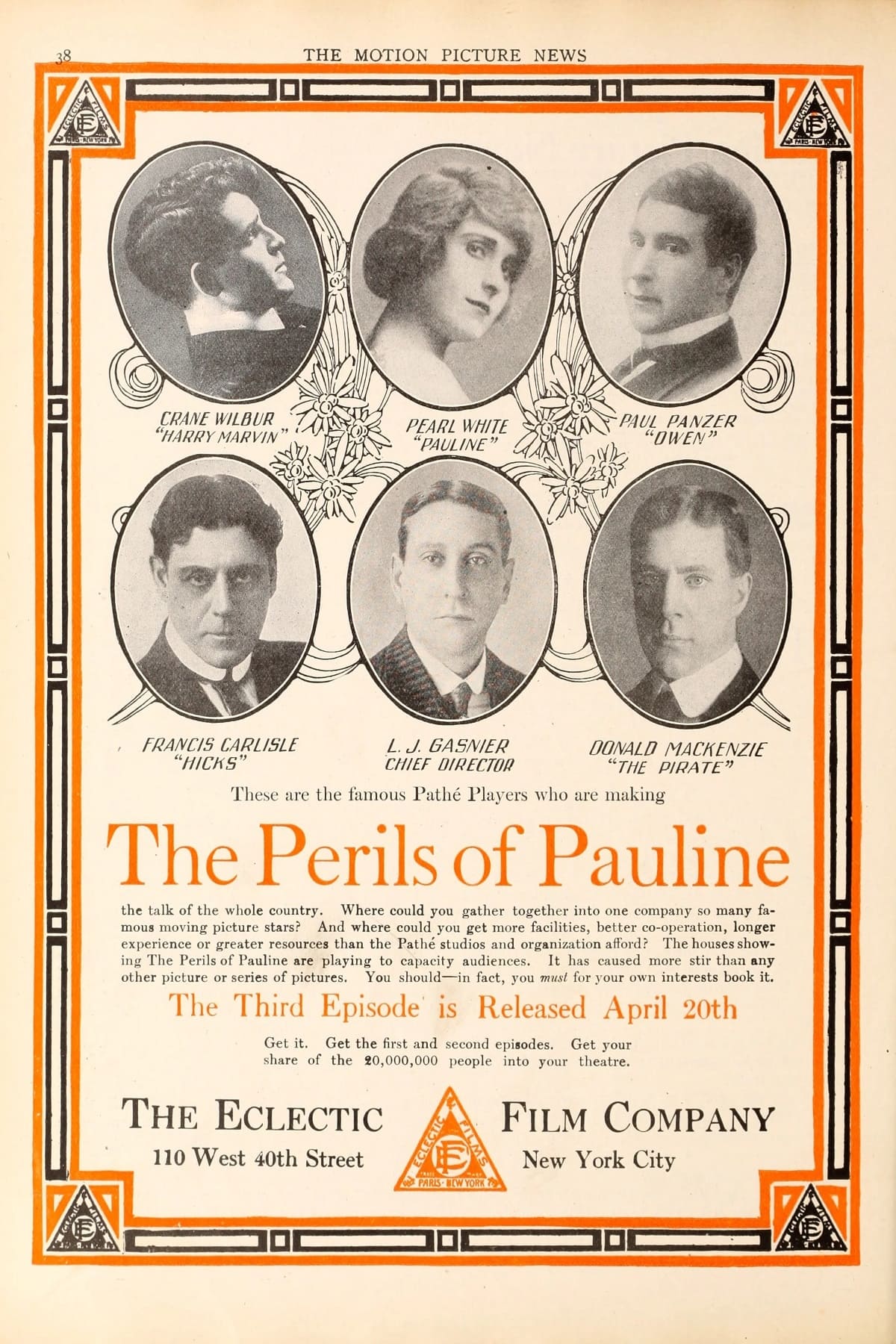
The Perils of Pauline is a motion picture serial shown in weekly installments featuring the actress Pearl White playing the title character. Pauline has often been cited as a famous example of a damsel-in-distress, although viewers will find her character more resourceful and less helpless than the classic 'damsel' stereotype. Nine episodes (from a condensed 1916 re-release) survive to this day.
Insights
Plot Summary
This silent film serial follows the adventurous and often perilous escapades of the spirited heroine, Pauline. Each episode sees her facing various dangerous situations, often orchestrated by a villainous guardian who seeks her inheritance. Pauline's quick thinking and luck usually save her from dire fates, including kidnappings, treacherous falls, and near-death experiences.
Critical Reception
As a pioneering silent film serial, 'The Perils of Pauline' was immensely popular with audiences of its time, becoming a cultural phenomenon. Its episodic nature and thrilling cliffhangers captivated viewers, establishing Pearl White as one of the era's first major female action stars. Critical reception at the time focused more on its entertainment value and thrilling content rather than artistic merit, which was typical for the genre.
What Reviewers Say
A thrilling and action-packed adventure that kept audiences on the edge of their seats.
Pearl White's performance as the resourceful heroine was widely praised and contributed to her stardom.
The serial's episodic structure and constant cliffhangers were highly effective in maintaining audience engagement.
Google audience: Contemporary audience reception was overwhelmingly positive, with viewers captivated by the serial's suspenseful plots and daring stunts, cementing its status as a beloved classic of early cinema.
Fun Fact
The serial was so popular that 'Perils of Pauline' became a generic term for any story involving a damsel in distress facing a series of outlandish dangers.
AI-generated overview · Verify ratings on official sources